The Russian company Battlestate Games, the developer of the online first-person tactical shooter Escape from Tarkov, has violated the law on personal data. This was reported by the press service of the Tagansky Court of Moscow.

On March 3, 2026, the Justice of the Peace of judicial district No. 422 of the Tagansky district of the city of Moscow found guilty of committing an administrative offense under Part 8 of Article 13.11 of the Administrative Code of the Russian Federation.
It concerns non-compliance with the requirements of legislation on the systematization, storage and clarification of personal data of Russians. The court ordered Battlestate Games to pay a fine of 2 million rubles.
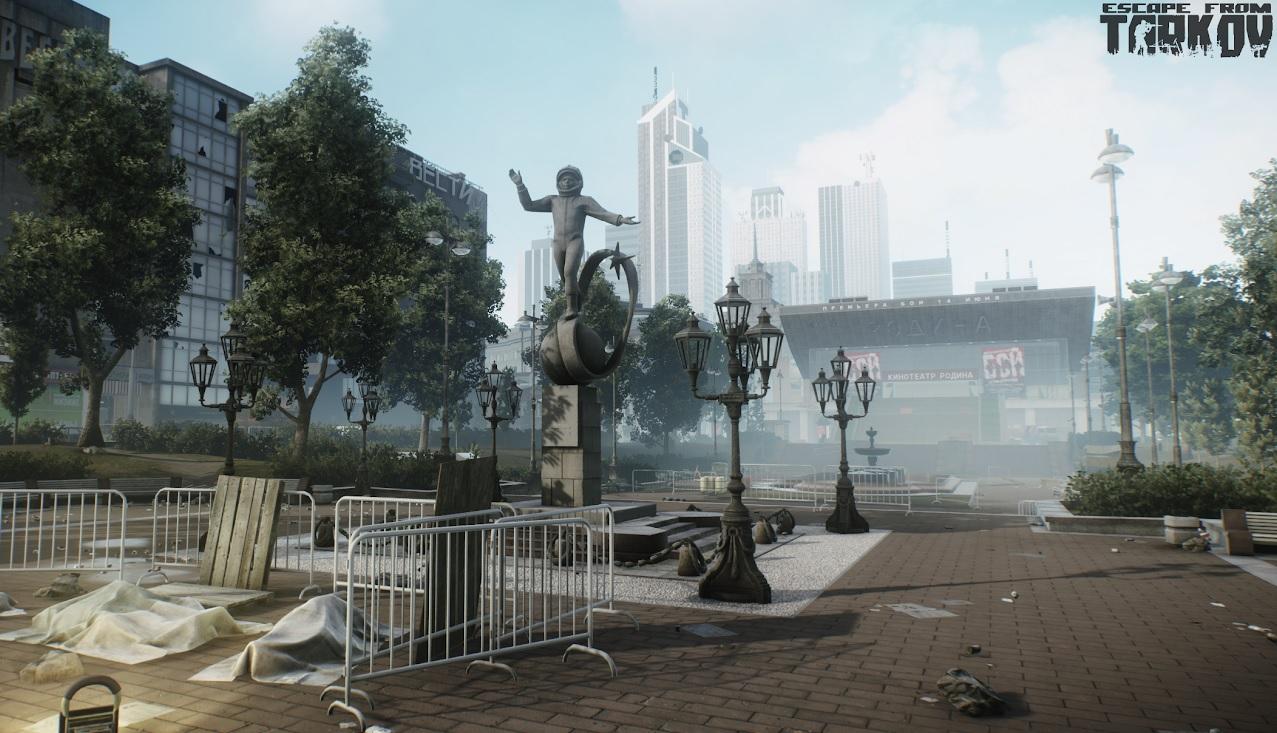
Battlestate Games is an independent developer and publisher of computer games. The legal entity is registered in London, and the office is located in St. Petersburg.
In July 2017, the shooter Escape from Tarkov was presented for closed beta testing. The official release of the game took place in November 2025.
Read also materials on the topic:
- Moscow video game studios have concluded export contracts for a billion rubles
- Children at risk in Roblox: Roskomnadzor announced the risks of illegal actions in the popular online game
- Roskachestvo suspected the developers of Candy Crush Saga and Royal Match of extorting money from users
Never miss our newsAdd this site to your preferred sources to see us more oftenAdd on Google

















