In Russia, talks have begun about the likely re-engining of the Superjet with imported SaM146 engines to domestic PD-8 engines. However, this process will take years of development and will be very expensive, and the sources of funding are currently unknown. This was stated to "Perviy Technicheskiy" by aviation expert Roman Gusarov.
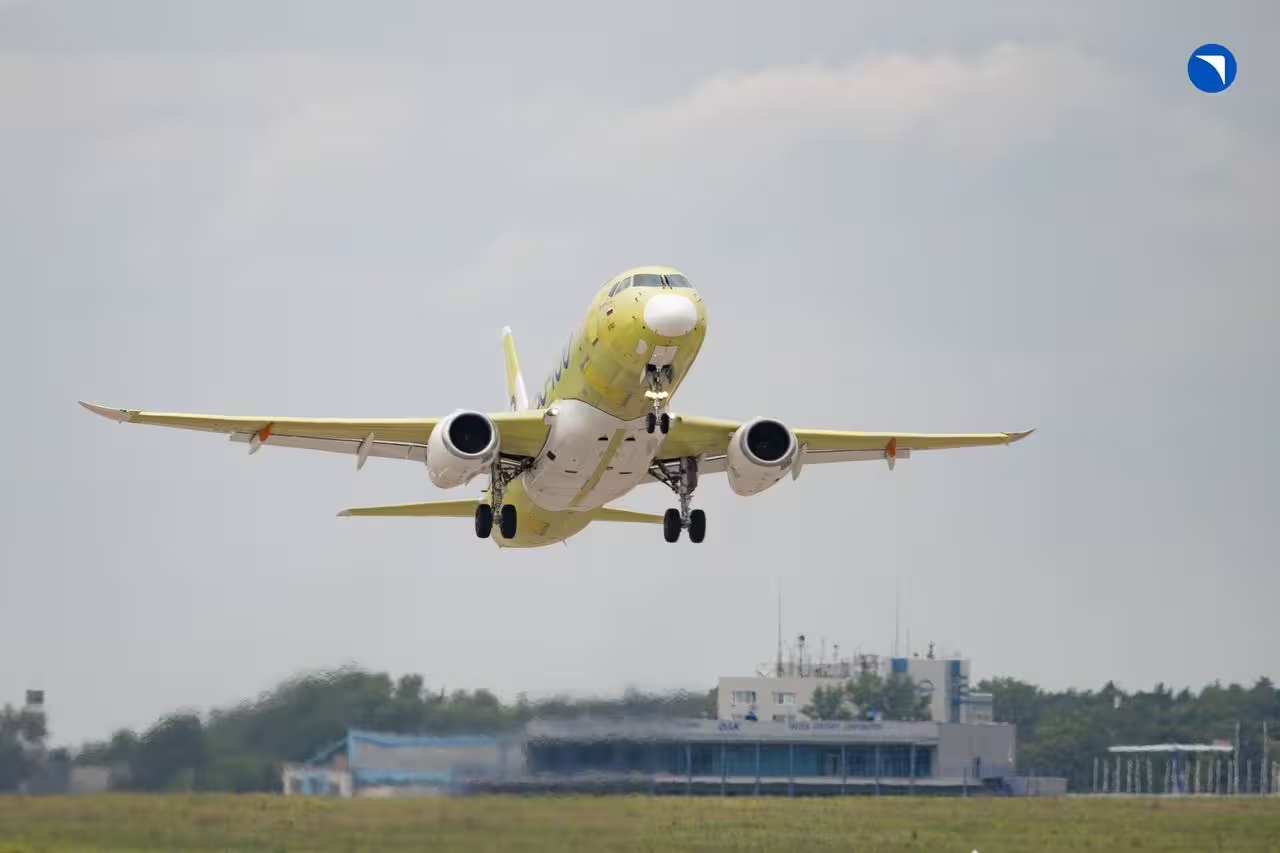
He recalled that the import-substituted SJ-100 is already undergoing testing, and mass production will begin next year. The enterprise in Komsomolsk-on-Amur is already ready to produce 20 aircraft per year, everything is well-established there.
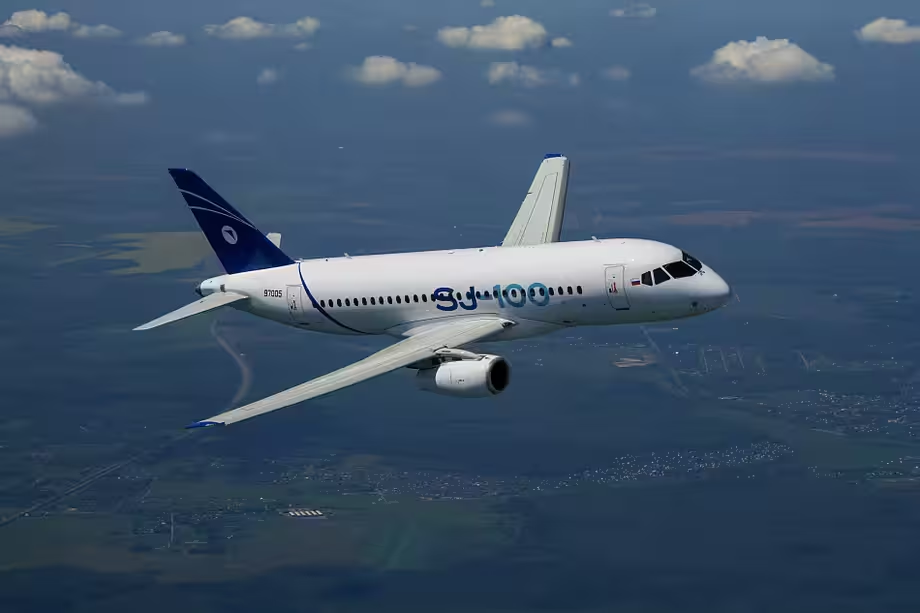
We will be able to saturate our market quickly enough with new Superjets. But there is a problem with those SJ-100s [with SaM-146 engines] that are in our airlines. All the components there are imported, 100%. There is nothing of ours inside the aircraft, except for heat exchangers, which were also made at a joint venture with the Americans in Russia.
Gusarov recalled that the "hot section" of the SaM146 was made in France, and the "cold section" in Russia. However, the problem is that the resource of the "hot" part will soon be exhausted, and domestic specialists do not have the necessary documentation and capacity for its repair.
We don't know how to repair combustion chambers. The question arises - what to do with these Superjets? They are quite young, the oldest is only 14 years old, they still have to fly and fly, but the engines - no longer. Here the question of economic feasibility arises. We have our own PD-8 engine, which is approximately the same size and weight. But you can't just remove one engine from the wing and hang another one. Each engine has its own mounting and connection system. To replace the engine, you will have to redesign the wing and other systems - electrical, mechanical, air exchange. All these works will require a lot of time, at least several years of intensive work. The question is - how much time and money will it take.
Gusarov expressed confidence that starting these works for the sake of 150 aircraft at the moment makes no sense. They will never pay off, and airlines are also unlikely to invest their own funds in such a deliberately unprofitable project.
The whole question is purely economic. For example, there is a good washing machine, but the engine burned out. And a new one costs two-thirds of the cost. You will look and say - no, I'd rather buy a new machine. Here may be the same logic, there is no point in such investments. Therefore - there is no solution yet. If at least 500 such aircraft were produced, then it would probably make sense. But for 150 - no.
The head of the Ministry of Industry and Trade, Anton Alikhanov, stated that the department plans to finance research and development work (R&D) to replace foreign SaM146 engines with domestic PD-8 engines on the produced Superjet 100 aircraft. Specific dates for the start of the project have not yet been determined, but its start is scheduled for 2026.
Earlier www1.ru reported that the toilet of a strategic bomber was shown in a photo for the first time.
Read more materials:
Now on home

Start of deliveries scheduled for 2027

Over 51,000 new motorcycles were sold in Russia in 2025

The car will take at least a year to assemble

The application's audience has reached 20 million users

The model will be included in the list of cars for taxis, price - from 2.25 million rubles

All parking lots of the "Administrator of the Moscow Parking Space" are connected to the service

The cars will be supplied to the Moscow Transport Service Directorate

Deliveries to India may begin in 2028

The technology provides automated search for all types of defects in power units

The plane flew 500 km, accelerating to 425 km/h

The plant stated that the information about the termination of purchases for models 6 and 8 is not true

Scientists are using the "Ekran-M" installation