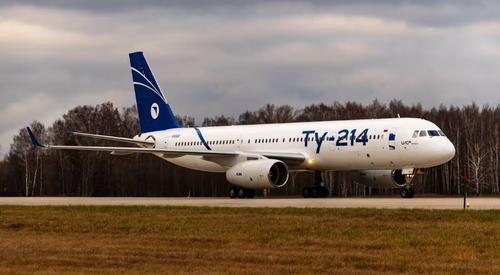
Kazan Aviation Plant (KAZ, part of PJSC Tupolev, Rostec State Corporation) is theoretically capable of reaching a production volume of up to 20 Tu-214 aircraft per year, but the whole question is in the timing. This was told to"First Technical" by aviation expert, editor-in-chief of Avia.ru portal, Roman Gusarov.
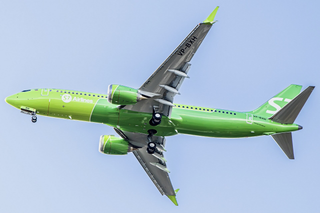
This is how he assessed the information about the plans of the S7 airline to order 100 Tu-214 aircraft from KAZ at once. This figure was announced by Deputy Prime Minister Vitaly Savelyev.
Even if airlines are ready to order 100 Tu-214 aircraft, the question is whether the industry is ready to produce them. We need to face the facts. We have the Tu-204 family, which are essentially different modifications of the same aircraft. In previous years, over three decades, the average production rate was three aircraft per year. In 30 years, they built less than what S7 is now ready to order.
The expert recalled that in 2022, KAZ claimed that production allows for the production of up to 20 Tu-214 aircraft annually.
But where will 20 aircraft per year come from? Will the plant increase 20 times? Not to mention the machines and personnel. Of course not. Three years have passed since then, how many new Tu-214s have been built? I'll tell you - zero. Theoretically, it is possible to imagine such production volumes, but the question is - when? Rostec allocated investments, the construction of new workshops began. I don't know at what stage the construction is.
So far, the production rates of "Tushkas" are not impressive - in 2025, Kazan will release only one Tu-214, although they initially planned to assemble three.
Earlierwww1.ru reported that the toilet of a strategic bomber was shown in a photo for the first time.
Read more materials:
Never miss our newsAdd this site to your preferred sources to see us more oftenAdd on Google