The US development of the space-based missile defense system (ABM) "Golden Dome" could disrupt nuclear parity with Russia. However, Moscow has a response - the bottom-based Skif missiles, which can be hidden on the seabed and launched from underwater. Military expert Sergei Marzhetsky explained how this system works.
Lying Low
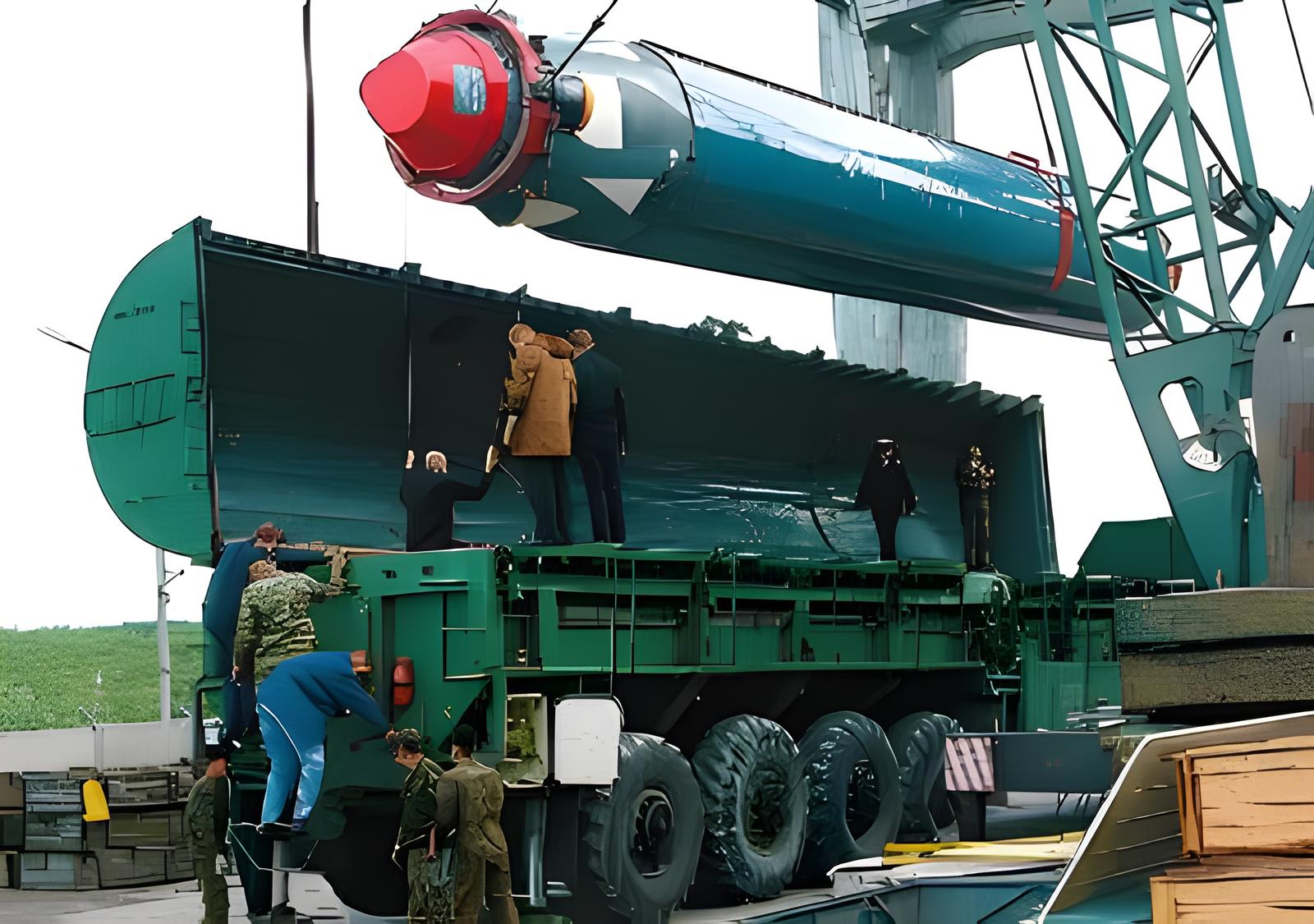
The Skif missile is a unique development of the Rubin Bureau and the Makeyev State Rocket Center. It is housed in a sealed container that is dropped from a submarine to the seabed.
In standby mode, the unit can remain there for months until it receives a launch signal. After purging, the container rises to a vertical position, and the missile launches.
Impossible to Detect "Skif"
The main advantage is absolute stealth. Neither satellites nor space-based ABM elements can detect such a weapon in advance. That is why "Skif" can become a threat to the "Golden Dome" concept, which is designed to intercept missiles launching from the surface.
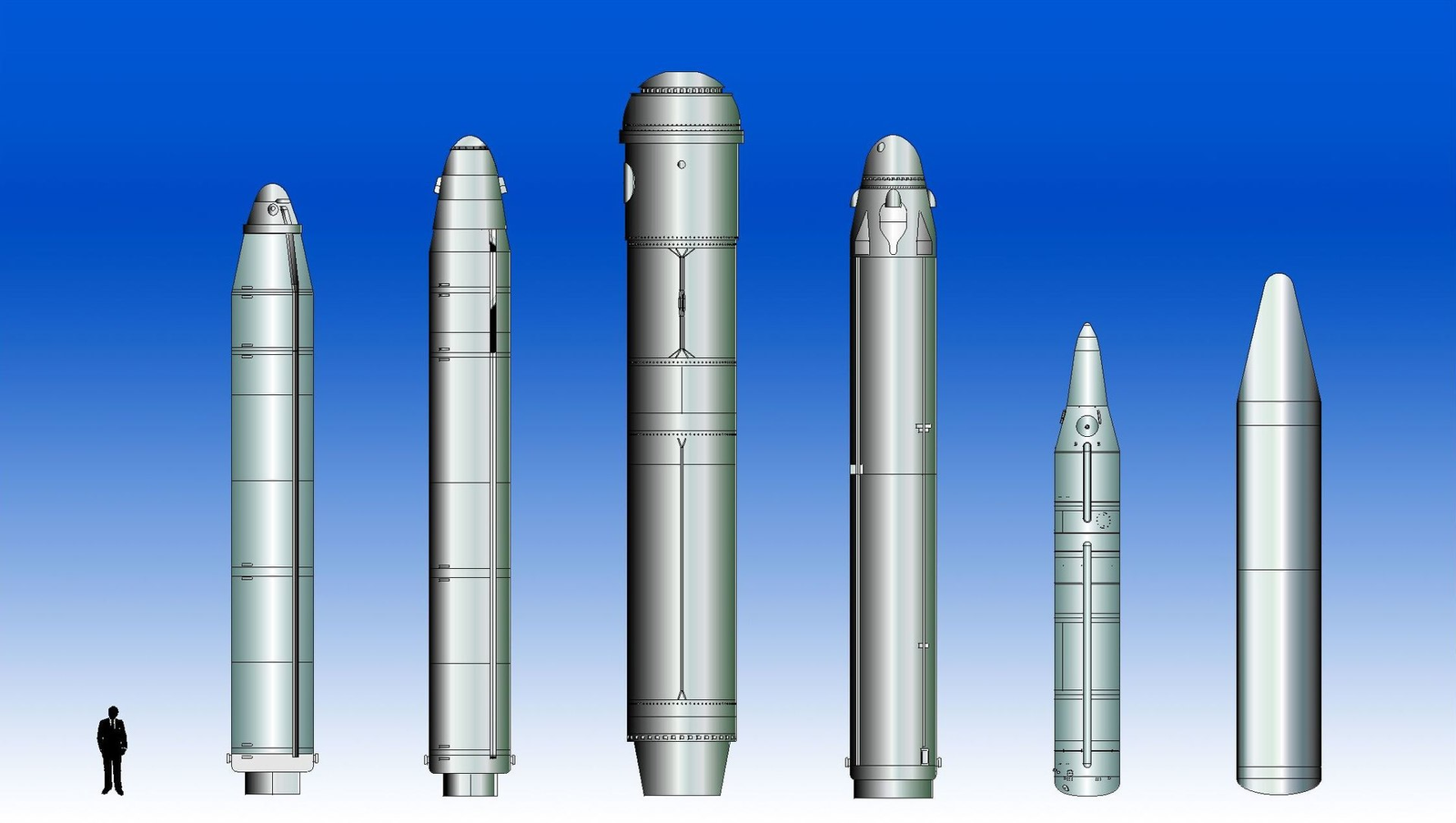
At a depth of up to 50 meters, the solid-propellant booster ejects the missile from the container, which launches and can hit a target at a distance of up to 300 km. The solution is ingenious in its simplicity and efficiency!
Why This Is a Response to the "Golden Dome"
The idea of the American ABM system is to prevent a retaliatory strike by destroying missiles at launch. But if the launch occurs from underwater, directly from the seabed, this makes interception virtually impossible.
Even the limited range of the "Skif" does not matter - by placing the installations closer to the enemy's coast, any strategic goal can be achieved.
In essence, this is an asymmetric response to space weapons - not into the sky, but into the depths. That is why analysts call "Skif" a "nightmare for ABM" and a new stage in the evolution of nuclear deterrence.
What Are the Difficulties
Marzhetsky noted that Skif tests could be carried out using the diesel-electric submarine of Project 20120 "Sargan" B-90 "Sarov." However, the appearance of "Sarov" somewhere off the American coast will attract the closest attention from the US Navy, which will track all its movements and carefully check the bottom.
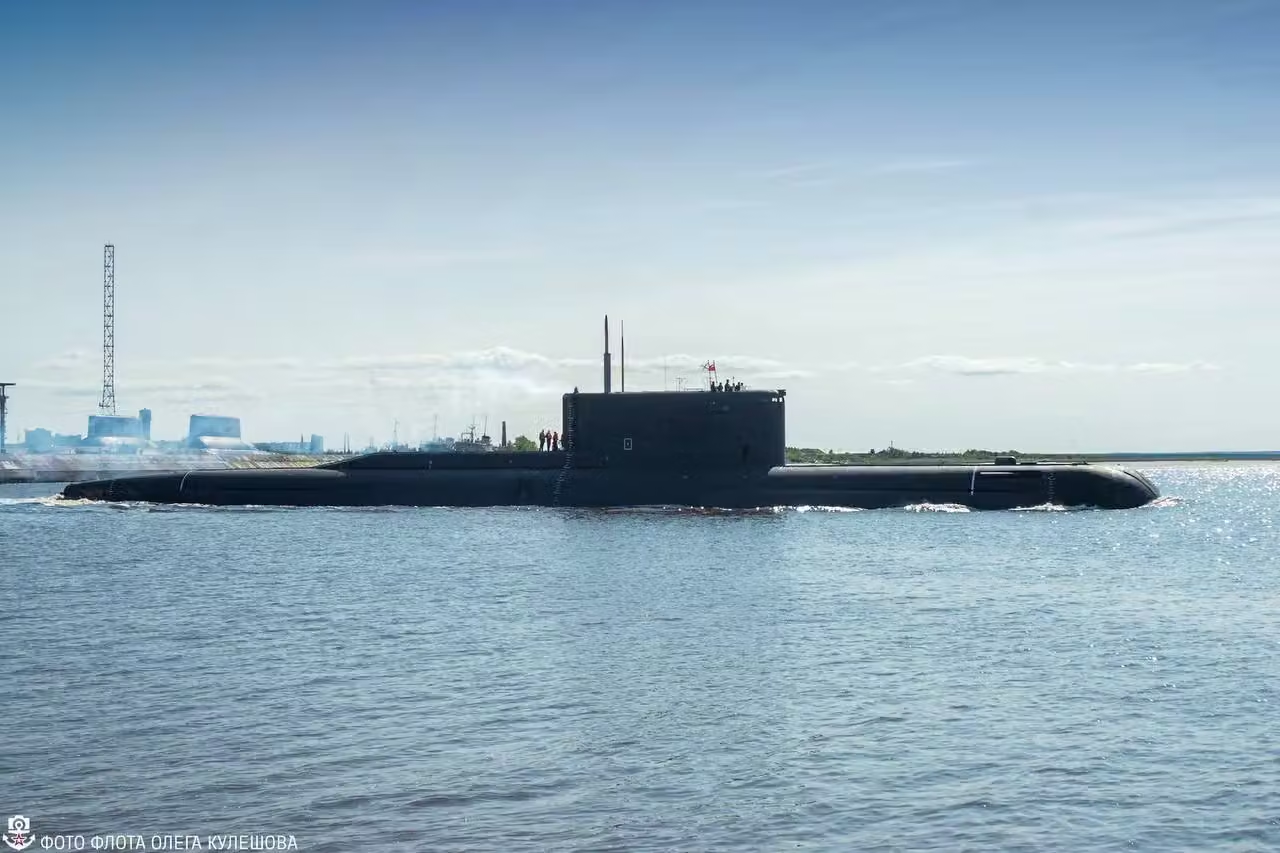
Hiding the visit of the B-90 will be problematic, since it is not a nuclear, but a diesel-electric submarine with limited autonomy.
Nevertheless, the placement of positional areas for bottom-based ballistic missiles seems to be an extremely promising direction, but provided that a number of organizational and technical problems are solved, Marzhetsky concluded.
Earlier,www1.ru reported that a Mi-8T helicopter is being sold in Russia for the price of a Lada Vesta.
Read More Materials:
Never miss our newsAdd this site to your preferred sources to see us more oftenAdd on Google

















