The Cheboksary-based enterprise "Sespel", in collaboration with Rosatom, is developing domestic magnetic levitation (maglev) technology for high-speed trains. This was announced by the General Director of the plant, Vladimir Bakshaev, at a meeting of the Scientific and Technical Council of JSC "Tatneftekhiminvest-holding" in Kazan.
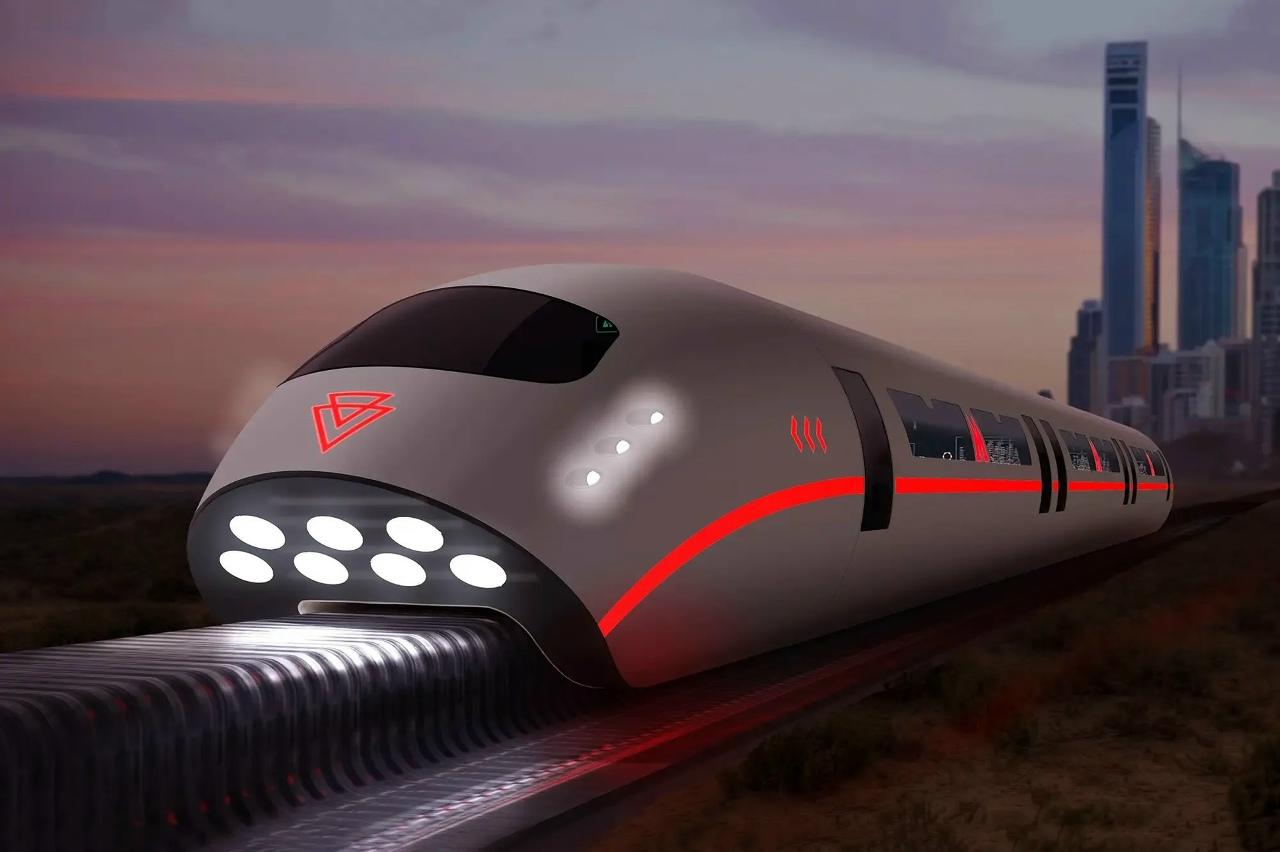
We are working on the body of a high-speed maglev train and magnetic levitation technologies.
Key advantages of the new technology include low noise and vibration levels, the absence of friction, and an increased lifting capacity. Due to its design, a maglev train cannot derail, making journeys safer.
A train on a magnetic levitation cushion will be able to reach speeds of over 450 km/h. For comparison, the new "Sapsan" locomotive for the high-speed railway line under construction will be able to reach a maximum speed of up to 400 km/h.
There are three main technologies for magnetic suspension of trains: using superconducting magnets (electrodynamic suspension, EDS), electromagnets (electromagnetic suspension, EMS), and permanent magnets. The latter is considered the most economical.
In Russia, developments in the field of magnetic levitation have been ongoing for several years. In 2023, scientific organizations, Rosatom structures, and machine-building enterprises united into the "Russian Maglev" cluster. Participants in this association have developed V-shaped electromagnets, which will become an important element for future maglev technologies.
In 2024, the Ministry of Transport of the Russian Federation supported the initiative to build test sites in St. Petersburg and Yakutia. These sites will help test and implement new developments in maglev technologies, which will be a significant step for the Russian railway industry.
Read more on this topic:
- Prototype of a magnetic levitation train being developed by scientists from Chelyabinsk
- Hyperloop vacuum trains and magnetic levitation: Russia will begin developing high-speed transport technologies
- Russian "flying train" to be launched in the Leningrad region
Never miss our newsAdd this site to your preferred sources to see us more oftenAdd on Google

















