Translated with AI from the Russian original.
The Russian stratospheric communication drone project "Argus" has aroused considerable interest among foreign users of the Network. Some commentators under the YouTube channel "Altitude Addicts" video expressed admiration for the development, while others openly criticized it and called for a choice in favor of proven platforms, including satellites.
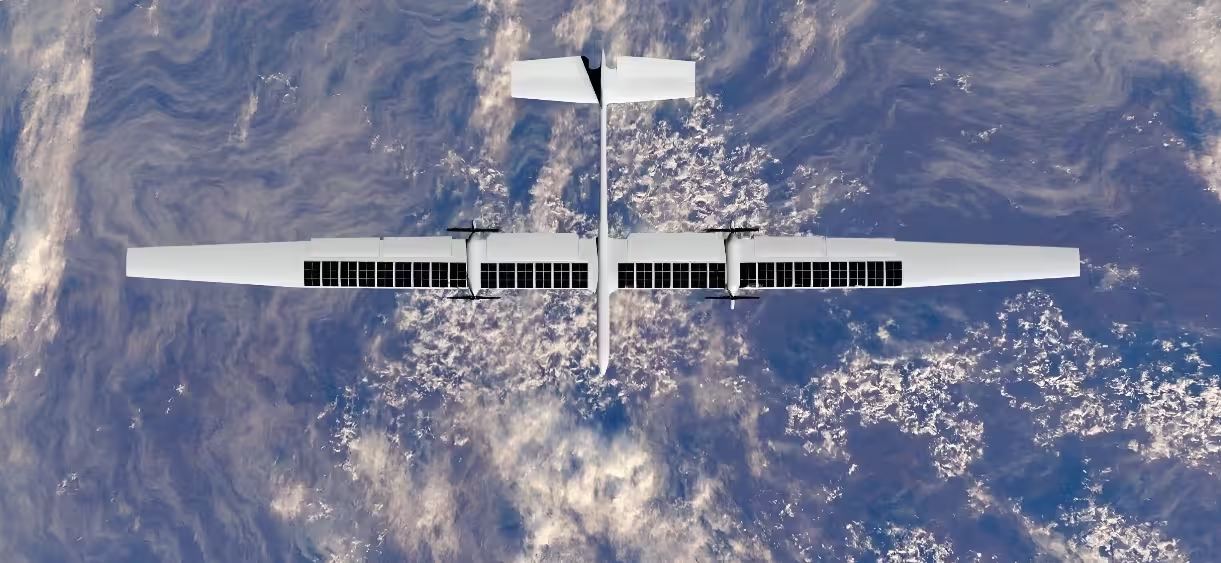
A user under the nickname Merry fellow U noted that one of the options could be balloons with propellers and a surface in the form of solar panels.
This should be cheaper than satellites, as well as cheaper than this futuristic aircraft.
Commentator markpowder4664 suggested making the body and wings not rigid, but inflatable, and then filling them with helium.
The carrying capacity of the aircraft will increase, and the wings can be made shorter.
User @zubi234a expressed himself more categorically regarding Argus.
This is nonsense. No use. It is better to send thousands of small satellites to a height of 200 km.
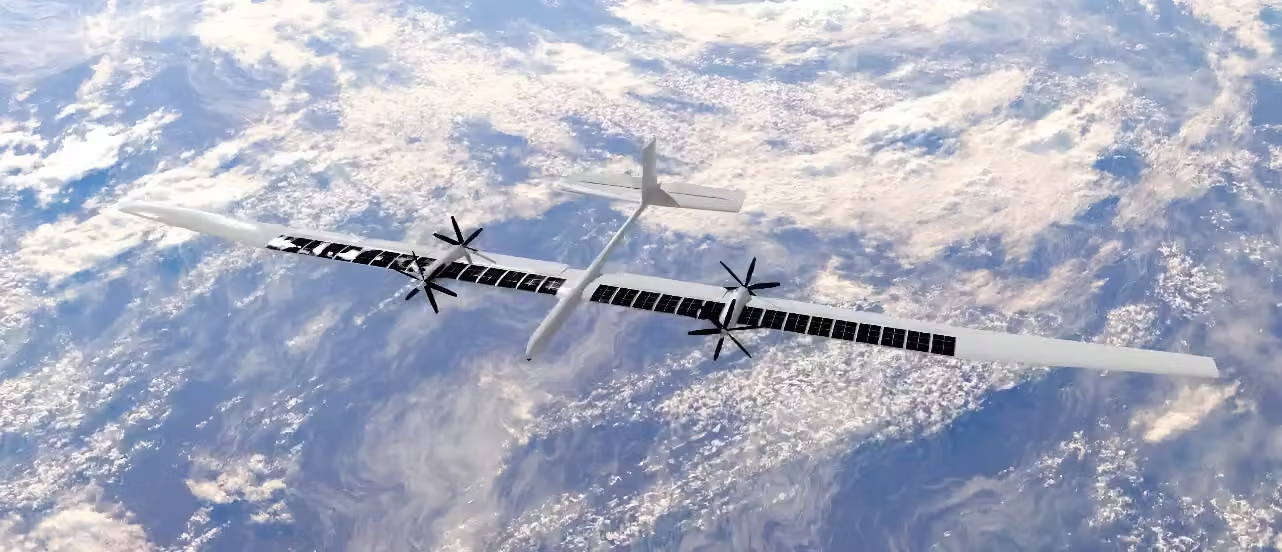
Flight tests of Argus will begin in March 2026. It is already known that the autonomy of the device will be about 40 days, which is more than two times less than that of Odysseus from Boeing — 90 days. The project is being considered as an alternative way to transmit data according to the principle similar to the American Starlink system.
Read more materials on the topic:
- An engineer from Tatarstan patented an unmanned stratospheric aircraft with vertical takeoff and landing
- To replace expensive satellites: the Barrage-1 unmanned stratospheric platform was successfully launched in Russia
- The world's first hybrid of an airplane and an airship will be created in Russia
Never miss our newsAdd this site to your preferred sources to see us more oftenAdd on Google

















