On October 29, 1955, a catastrophe occurred in Sevastopol Bay, becoming one of the most dramatic pages in the history of the national fleet. As a result of a powerful underwater explosion, the flagship of the Black Sea Fleet, the battleship "Novorossiysk," sank. The disaster claimed the lives of 829 sailors, becoming the largest non-combat loss of a ship in Soviet history.
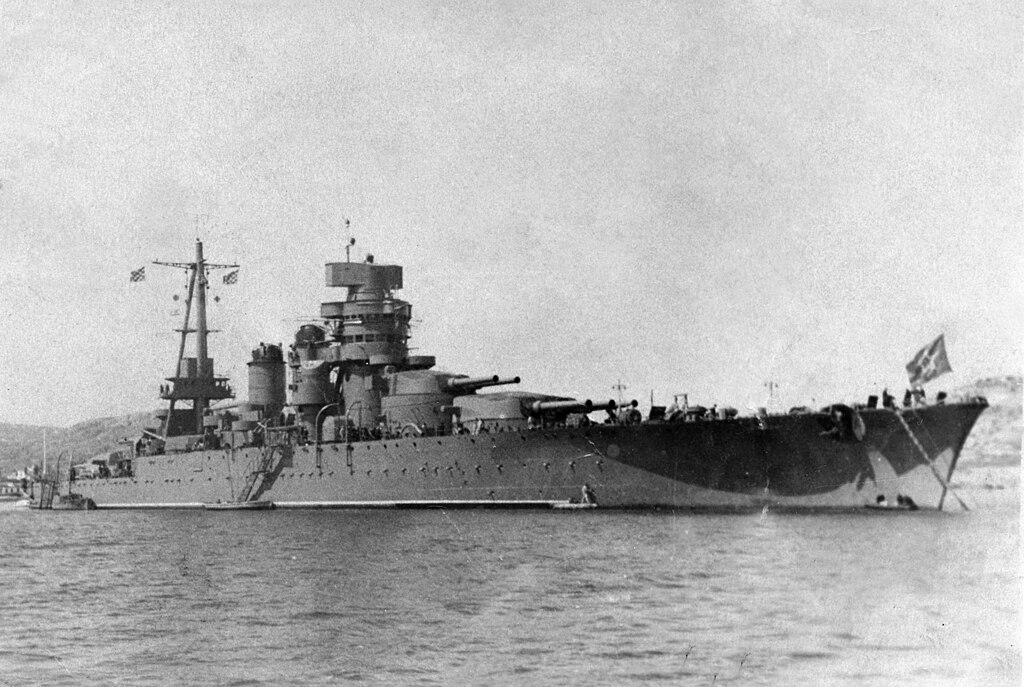
From Italy to Sevastopol
The fate of the ship is unusual. The battleship was built in Italy and was named "Giulio Cesare." It belonged to the "Conte di Cavour" type and participated in the hostilities of World War II.
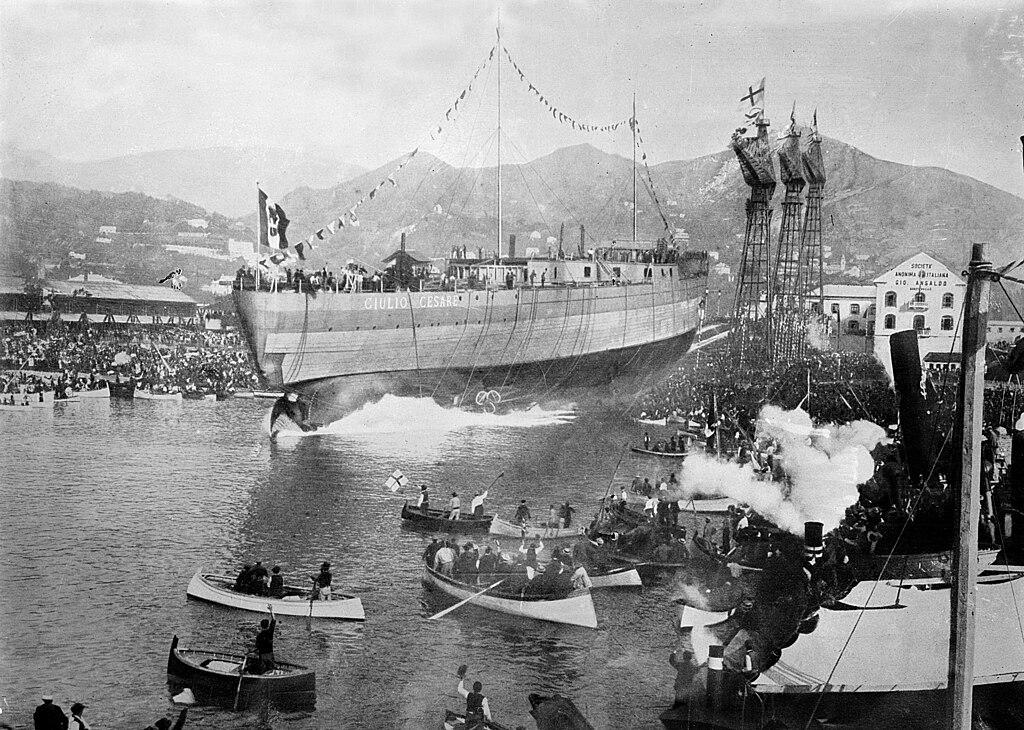
After the capitulation of Italy, the ship was transferred to the USSR as reparations and received a new name - "Novorossiysk," becoming the largest warship of the Black Sea Fleet and its symbol.
At the time of the tragedy, it was the last battleship in the domestic naval forces. Ships of the "Sevastopol" type had already completed their service by that time.
Technical description of the ship
As a representative of the WWI-era battleships, the "Novorossiysk" retained impressive characteristics even after its post-war modernization. The ship's full displacement was about 29,000 tons, length - about 186 meters, and width - 28 meters. The main power plant allowed it to reach speeds of up to 26 knots (approximately 48 km/h). The main armament consisted of nine 320-mm main-caliber guns, located in three turrets, as well as medium and anti-aircraft artillery, which was reinforced in the Soviet period. Significant armor - up to 250-300 mm in the citadel area - provided high survivability by the standards of the interwar fleet. Despite its age, the ship remained a powerful firing platform and a symbol of the state's naval power.
Night catastrophe
The tragedy occurred around midnight. A powerful explosion rang out under the ship's bottom. In a matter of minutes, the battleship sustained critical damage, and after a few hours, despite attempts to save the ship, it capsized and sank.
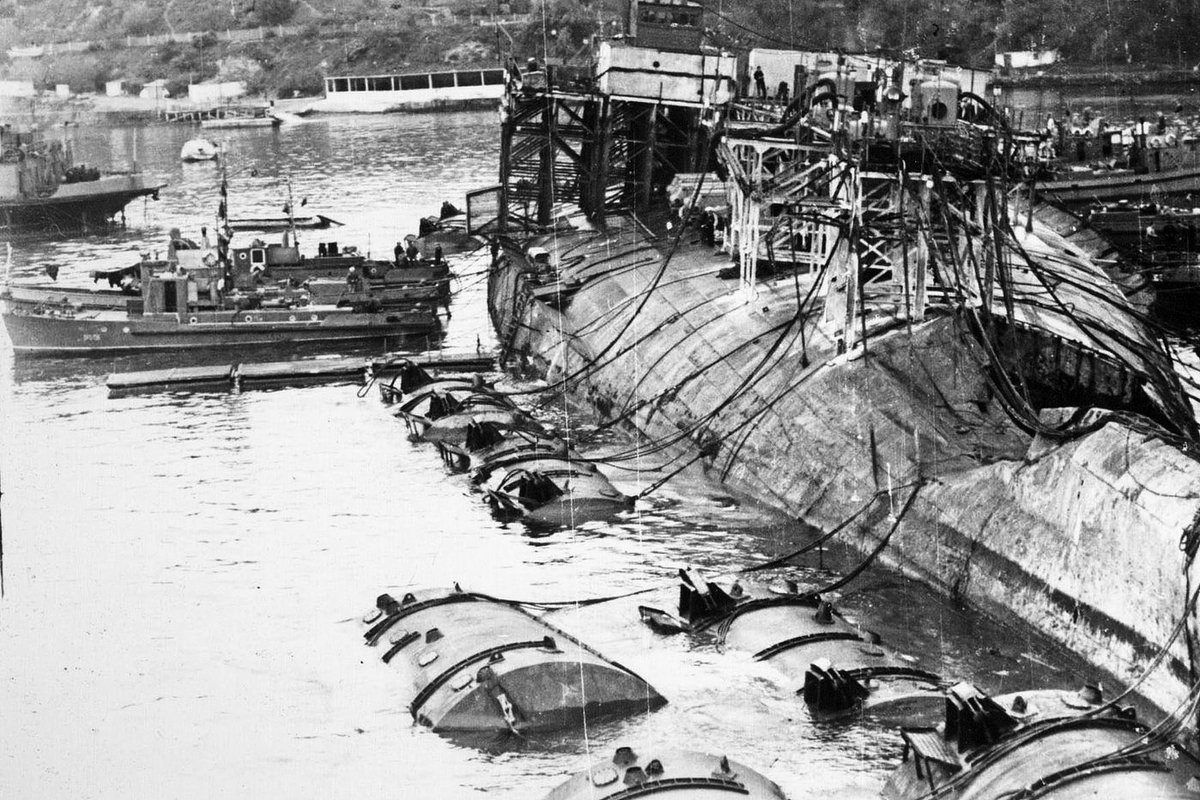
The ship ended up in the dock of history not only as a military symbol, but also as an object of analysis of a large-scale rescue operation. Many sailors remained at their posts until the last, following regulations and maintaining order.
Versions of the ship's sinking
The causes of the sinking remain a subject of discussion. The main versions are:
- Detonation on a German bottom mine left over from the war - the officially accepted version.
- Sabotage - a version supported by a number of researchers and naval veterans, suggesting deliberate underwater intervention.
Over the past 70 years, alternative hypotheses have emerged - from structural defects to ammunition accidents - but none of them has received final confirmation.
Consequences and significance
The sinking of the "Novorossiysk" was a severe blow to the fleet and led to changes in the anti-sabotage protection system, engineering reconnaissance of water areas, and approaches to the basing of large ships.
Today, seven decades later, the "Novorossiysk" remains an undeciphered page in naval history, and the memory of the fallen sailors is honored both in the fleet and in Sevastopol.
Earlier,www1.ru reported thatthe crane ship "Grigory Prosyankin" capsized in Sevastopol.
Read more materials:
- Rostec showed the "Aurora" and "Antison" systems in Venezuela, increasing road safety
- The new "Burevestnik" missile can be launched from launchers for "Iskander" or "Oreshnik"
- Tests of the FPV drone "Arbalet" with an AKS-74U assault rifle were shown on video
Never miss our newsAdd this site to your preferred sources to see us more oftenAdd on Google

















