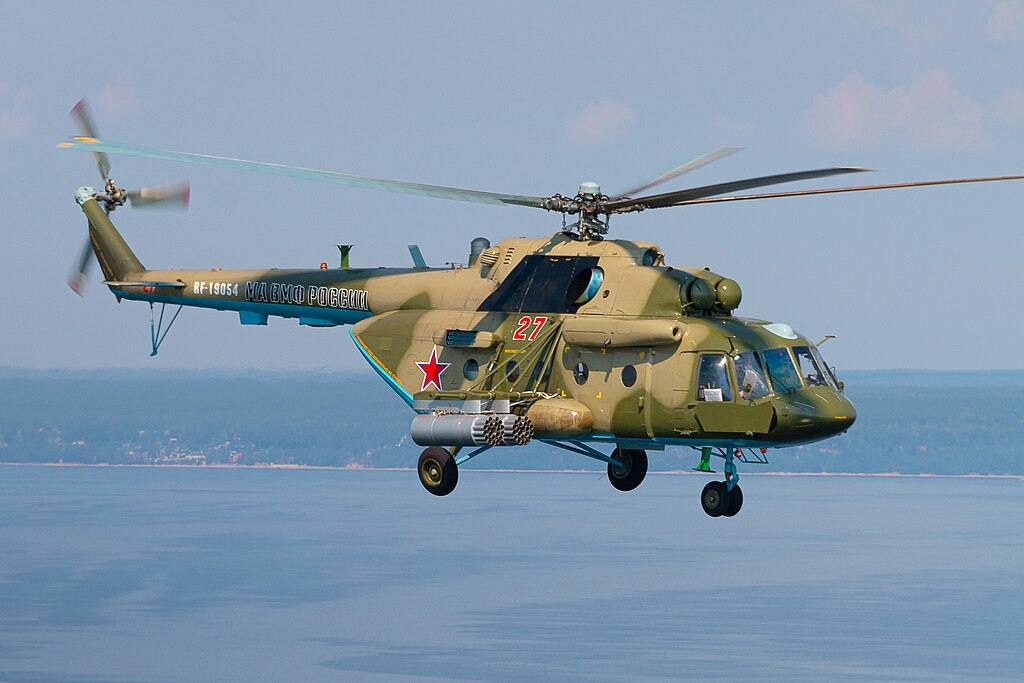
October 26, 2025, marked 60 years since the first flight of the serial Mi-8 - a machine that has become the most mass-produced and recognizable helicopter in the world. Over six decades, it has transformed into a universal aviation tool: from transporting cargo and passengers to rescue missions and operating in extreme conditions.
First Steps
Work on the new multi-purpose helicopter began in 1957 under the leadership of the outstanding designer Mikhail Leontyevich Mil. The task was ambitious: to create a universal machine that could perform the functions of a transport, passenger, rescue, and military helicopter.
Testing
In 1961, a single-engine prototype, the V-8, took to the air, and in 1962, a twin-engine prototype, which became the basis for the future Mi-8, made its flight.
On October 26, 1965, the historic first flight of the serial Mi-8 took place at the Kazan plant. The crew - test pilot Leonid Antropov, second pilot-engineer Boris Demchak, and flight technician Artur Nikolaev - spent 12 minutes in the air, opening a new page in world aviation.
Test pilots checked the helicopter at high altitudes, in strong winds and low temperatures, at extreme load conditions and in prolonged flights. Takeoffs and landings on limited sites, hovering in turbulence, and working with cargo on an external sling were tested. The tests showed that the machine has not only high maneuverability and stability, but also amazing survivability for its time - the ability to maintain control even in the event of failures of individual systems.
Powerplant
One of the key factors in the success of the Mi-8 was the powerplant. The transition from a single-engine to a twin-engine configuration was a revolutionary step for domestic helicopter construction.
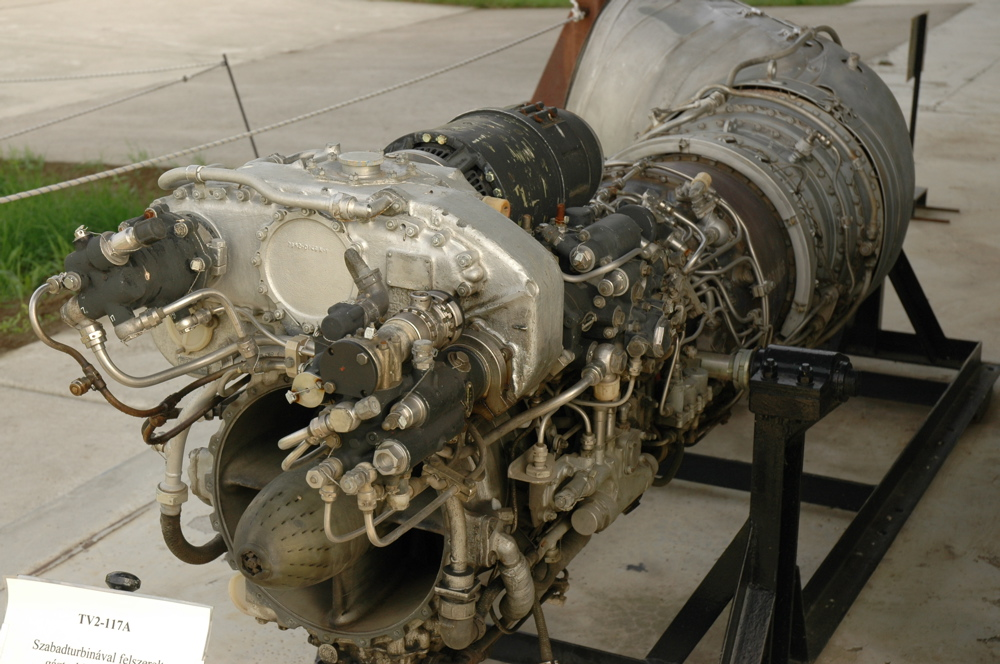
TV2-117 turboshaft engines developed by NPO "Klimov" were installed on serial machines, providing a high power reserve, stable start in cold conditions, and the ability to continue flight on one engine. Later, modernized versions received even more powerful TV3-117A and then VK-2500 engines, which significantly increased payload, reliability, and efficiency. Thanks to these solutions, the Mi-8 confidently operates in high mountains, hot climates, and at polar temperatures, maintaining a high level of safety.
Production Volumes
According to the most common estimates, more than 14,000 Mi-8 family machines were built - making it the most mass-produced helicopter in history.
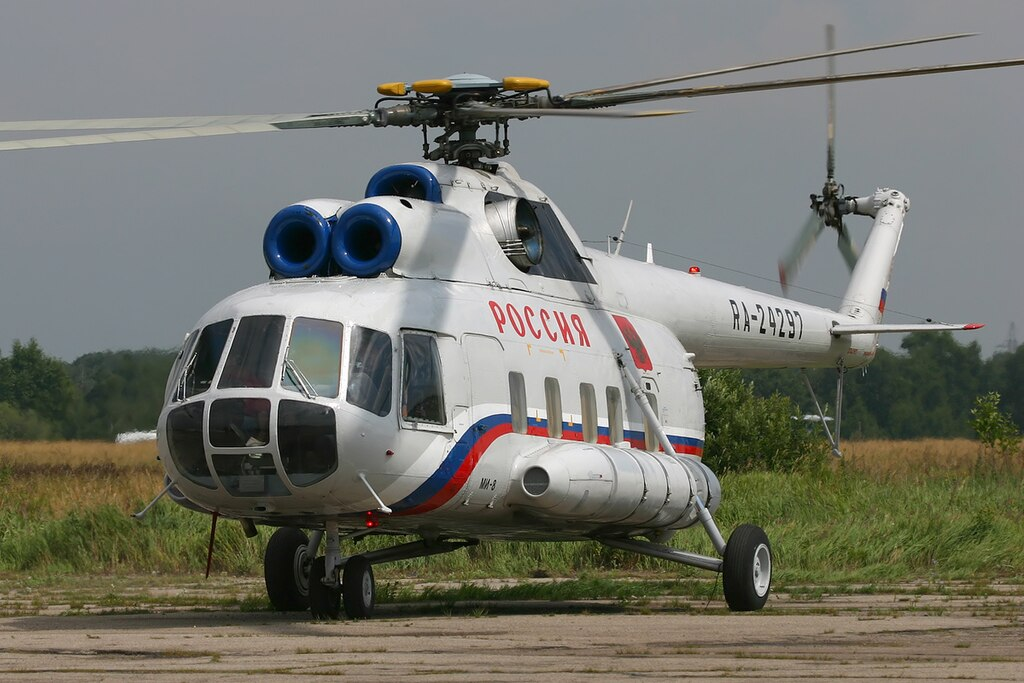
The rotorcraft are operated in more than 50 countries around the world. The geography covers countries in Europe, Asia, Africa, Latin America, and even offshore platforms - which confirms the versatility of the design and its demand.
Technical characteristics of the Mi-8 helicopter:
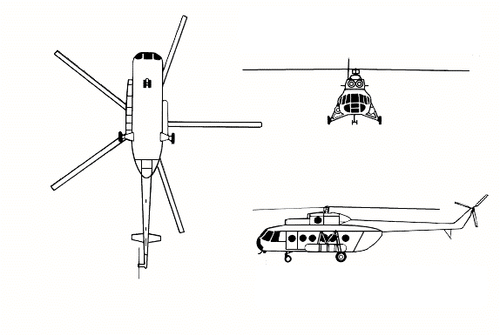
- Fuselage length - 18.3 m.
- Height - 5.65 m.
- Main rotor diameter - 21.3 m.
- Tail rotor diameter - 3.9 m.
- Empty helicopter weight - 7,300 kg.
- Maximum takeoff weight - 13,000 kg.
- Maximum speed - 250 km/h.
- Cruising speed - 225 km/h.
- Flight range: 610 km (with full load), 1,050 km (with additional tanks).
- Service ceiling - 4,500 m.
- Crew - 2-3 people (pilot, navigator, flight mechanic).
- Passenger capacity - up to 24 people or 12 stretchers with wounded.
- Payload: up to 4,000 kg (inside the fuselage) or 3,000 kg (on an external sling).
Earlier,www1.ru reported thatthe standard operation of the PD-14 aircraft engine at all stages of the MS-21-310 test flight has been confirmed.
Read also:
- Rostec showed the Avrora and Antison systems in Venezuela, which increase road safety
- The new Burevestnik missile can be launched from launchers for Iskander or Oreshnik
- Tests of the Arbalet FPV drone with an AKS-74U assault rifle were shown on video
Never miss our newsAdd this site to your preferred sources to see us more oftenAdd on Google

















