During airplane flights, you've probably noticed tiny holes in the windows. They are called breather holes and allow the pressure to equalize between the outer and inner panes.
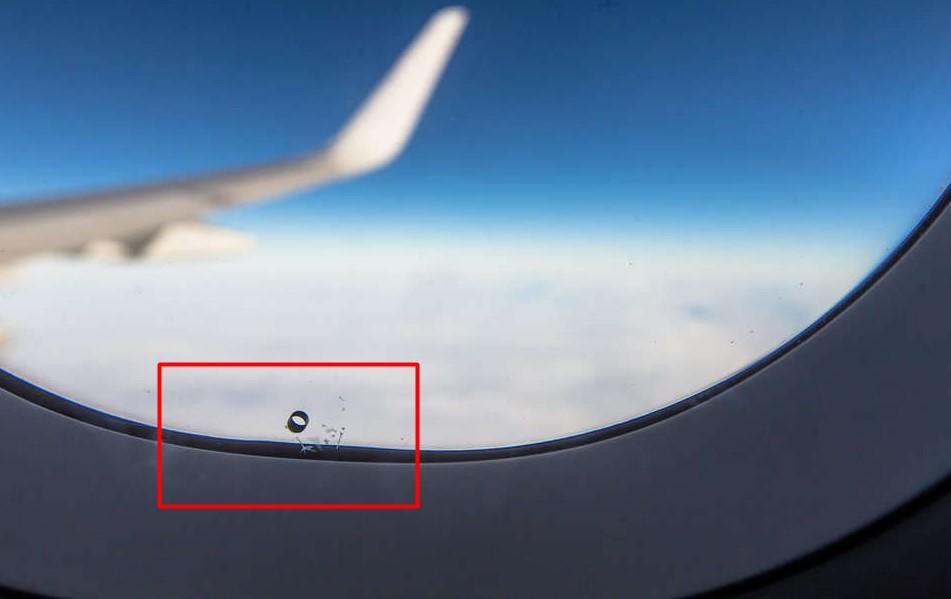
The window consists of three layers: a double-glazed unit and a durable plastic that protects it from damage from inside the cabin. The layers of the double-glazed unit fit snugly against each other, with a small amount of air between them.
Without holes, the window could crack during takeoff or landing. The holes also act as protection against fogging, allowing air to pass through and preventing condensation.
When flying at high altitudes, the outer layer of the window cools to extremely low temperatures, and if it weren't for this hole, the warm and humid air in the cabin would settle on it as moisture when it comes into contact with the cold glass. The hole is not through, so extremely cold air from outside does not enter the cabin.
In addition, the holes in the windows have been enshrined in safety standards: they appeared in the 1950s, after three aircraft crashed due to depressurization. Now all passenger aircraft are equipped with windows with holes.
Earlier, www1.ru also reported that titanium parts for the wing of the new MS-21 aircraft began to be produced in Ulyanovsk
Read also:
The latest SJ-100, MS-21 and Tu-214 aircraft will receive satellite WiFi on board
The latest MS-21-300 aircraft consumes half the kerosene of the Tu-154M
Never miss our newsAdd this site to your preferred sources to see us more oftenAdd on Google