In modern aircraft, fuel is mainly stored in tanks built into the wing planes. This may seem illogical, because fuel impairs maneuverability and loads the aircraft's wings.

At the dawn of aviation, this is exactly how the designers of the first aircraft reasoned, and most often they built fuel tanks into the fuselage, closer to the center of gravity. This makes it easier for them to regulate the weight distribution in the aircraft, and the tank is under the supervision of the crew.
However, by the middle of the 20th century, views on the design of tanks had changed. They began to be increasingly integrated into the wings.
Strength, safety and streamlining
Calculations and practice have shown that the scheme with fuel tanks in the supporting surfaces allows for a more even distribution of load and weight. Long, thin wings have to carry the weight of the aircraft.
If the fuel is moved closer to the area where lift is generated, the load on them is reduced. Therefore, the wings can be made lighter and thinner, improving aerodynamics.
Also, when fuel is consumed from the wings, designers need to think less about the "wandering" center of gravity of the aircraft - it remains in the same place.
In addition, fuel is sometimes placed not only in the wings - their internal volume may not be enough to take on board a supply for a long flight. For example, the domestic airliner Tu-204 has additional tanks in the tail fin and center section.
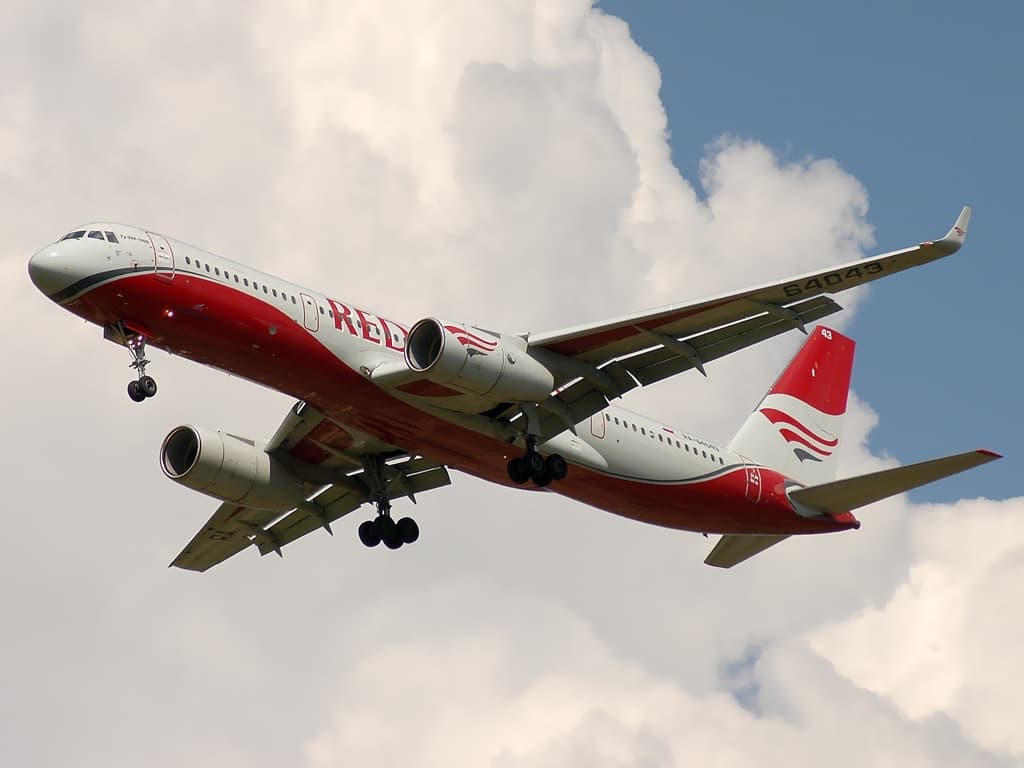
Such tanks create inconveniences for pilots: when fuel is consumed from the tail tank, the tail becomes lighter, so you have to take this into account, emptying the tanks in the rear and front of the aircraft at the same time.
Safety plays an important role. For example, when a Bombardier passenger plane crashed at Toronto Airport in early 2025, it lost its burning wings and overturned during landing. At the same time, the fire did not affect the fuselage, and no one died.
Earlier, Rostec refuted rumors on the Web aboutthe suspension of operation of Ansat helicopters, stating that there are no objective prerequisites for this.
Read also materials:
The environmental friendliness of aircraft engines has been increased by almost 25% in a tricky way
UTS-800 turboprop aircraft may receive VK-800SM engines
Nizhny Novgorod plant has started production of cast parts for MS-21 and Tu-214 aircraft
Now on home

Start of deliveries scheduled for 2027

Over 51,000 new motorcycles were sold in Russia in 2025

The car will take at least a year to assemble

The application's audience has reached 20 million users

The model will be included in the list of cars for taxis, price - from 2.25 million rubles

All parking lots of the "Administrator of the Moscow Parking Space" are connected to the service

The cars will be supplied to the Moscow Transport Service Directorate

Deliveries to India may begin in 2028

The technology provides automated search for all types of defects in power units

The plane flew 500 km, accelerating to 425 km/h

The plant stated that the information about the termination of purchases for models 6 and 8 is not true

Scientists are using the "Ekran-M" installation