If necessary, Russian companies will have to create custom versions of Linux to support the "Baikal-T1" processor. This was announced by Alexey Smirnov, Chairman of the Board of Directors of "Basalt SPO". The expert commented on the decision to limit support for this chip in new versions of the Linux kernel.
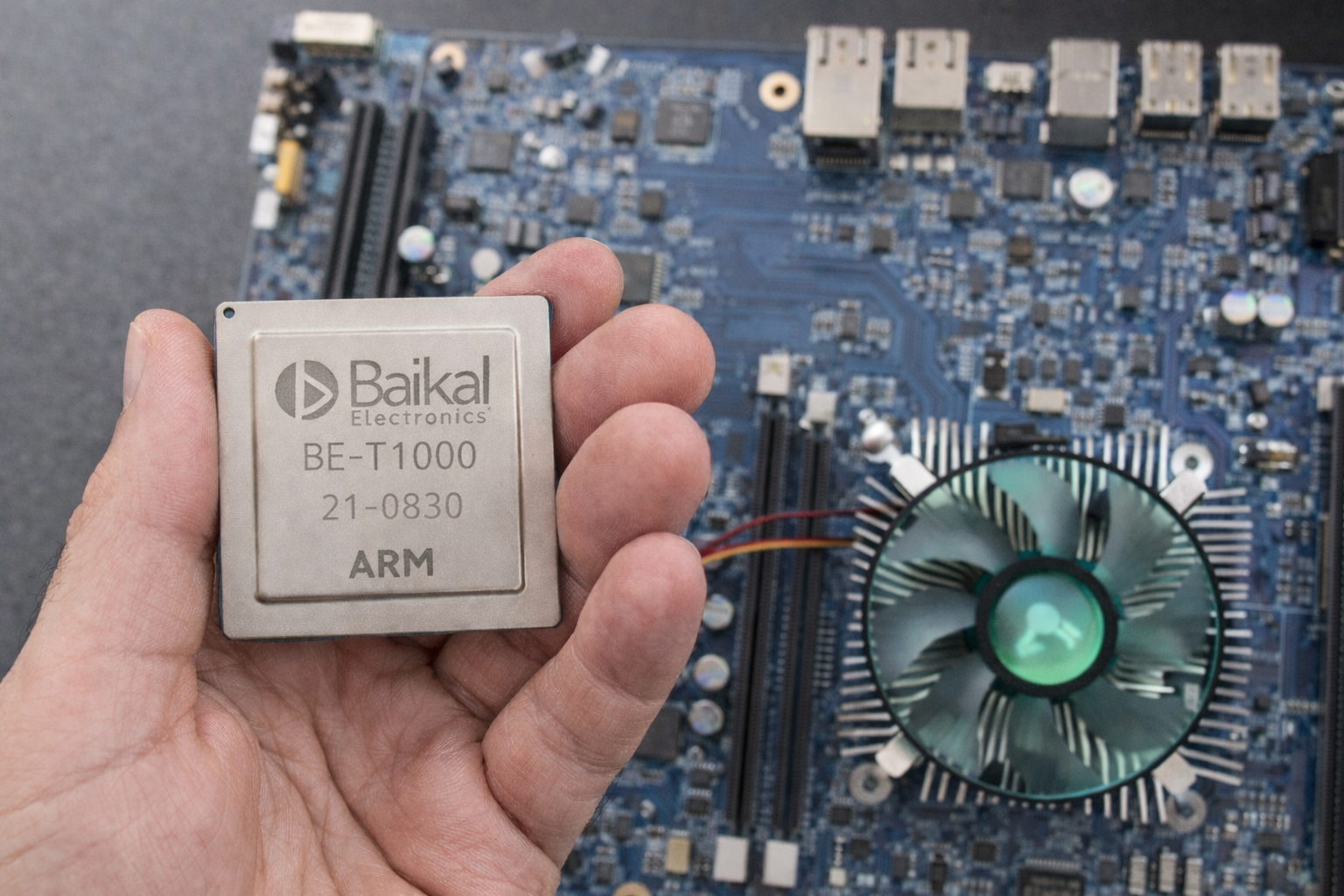
We are talking about the latest versions of the Linux kernel (7.0 and 7.1) — the basis of such Russian operating systems as Astra Linux and "Alt". In these versions, support for the old "Baikal-T1" chip is limited: part of the interfaces necessary for the correct operation of the system on devices with this processor have been removed from the kernel.
The decision was made on the initiative of the creator of the Linux kernel, Linus Torvalds. It is alleged that the reason is a flaw in the code.
The "Baikal-T1" processor itself was released in 2018. It is used, among other things, in network equipment, including routers and switches. Desktop computers, such as "Tavolga Terminal 2VT1", were produced on its basis.
Reducing support may lead to a deterioration in the operation of operating systems on such devices. However, developers can relatively easily solve the problem. One option is to use Linux versions with a kernel prior to 7.0, where processor support is already implemented.
Switching to a new version of the kernel is not an end in itself. It is important that the kernel supporting the corresponding processor exists in principle. And it does. You can safely use older versions of the kernel that support it.
If it is necessary to work with new versions, developers will have to adapt the system manually. To do this, you need to take the new Linux kernel (7.0 and above) and add fragments of code from older versions (6.9 and below) to it, which are responsible for the operation of "Baikal-T1". The result will be a modified version of the kernel, on the basis of which it will be possible to assemble the operating system. The problem is not unsolvable, the expert noted.
Read more on the topic:
Never miss our newsAdd this site to your preferred sources to see us more oftenAdd on Google