Scientists from the North Caucasus Federal University (SKFU) have developed a method for obtaining clean water from dairy processing products. The development will allow dairy plants to reduce the amount of water consumed and simultaneously produce a valuable food ingredient. The results of the study, supported by a grant from the Russian Science Foundation, were published in the journal Food and Humanity.
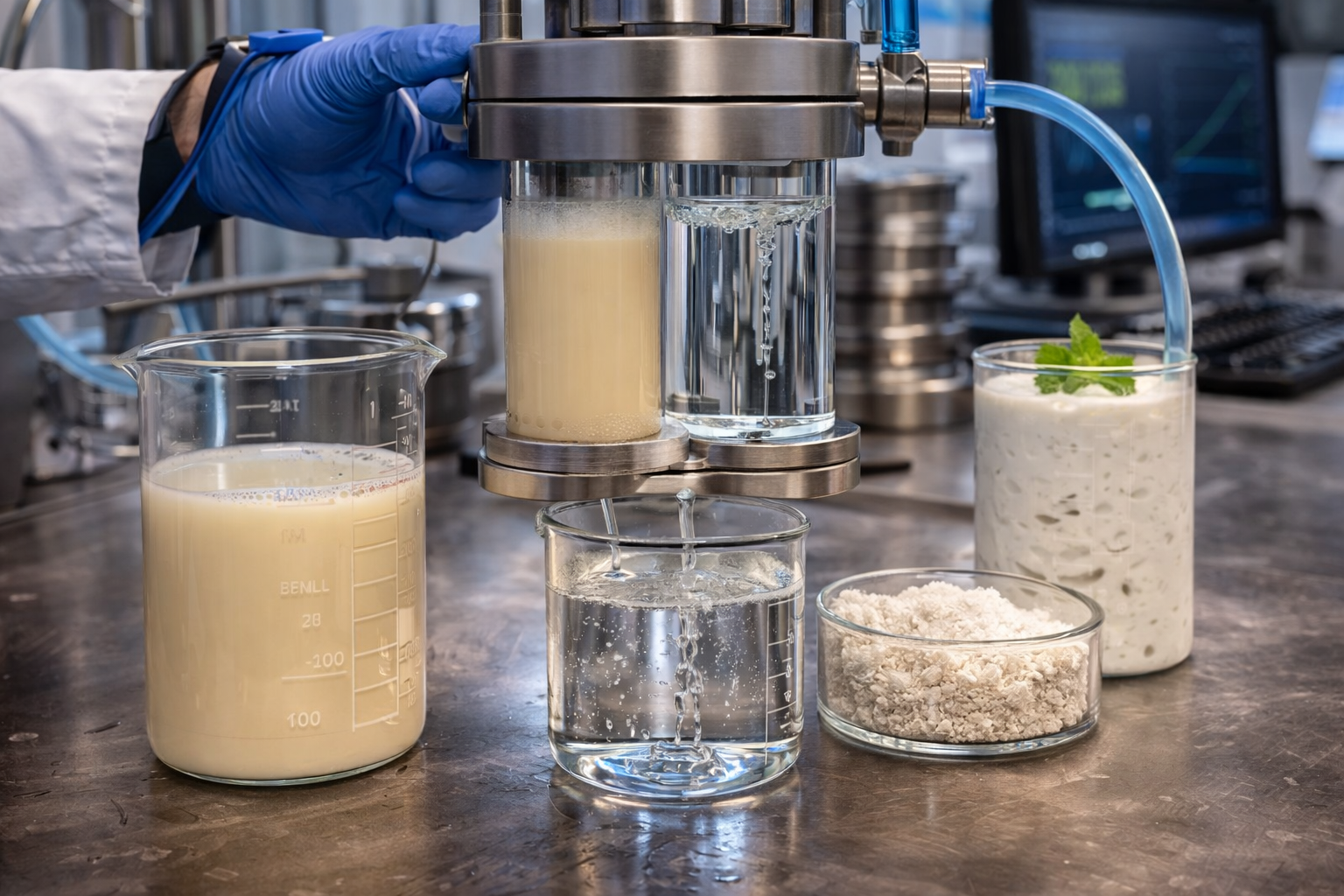
In the production of dairy ingredients — for example, dry whey and lactose — a large amount of waste is generated. It accounts for about 80% of the initial raw materials and is practically not used. This waste is water with dissolved substances: organic acids, urea, ammonium, and other compounds. Among them are also useful minerals, including potassium. At the same time, it is important to maintain a balance of sodium and potassium for the normal functioning of the body: there is usually too much sodium in the diet, and not enough potassium, the scientists explained.
Against this background, experts proposed processing such waste using reverse osmosis. This is a technology in which a solution under high pressure is forced through a membrane: it allows water to pass through and retains larger molecules — salts, sugars, and organic compounds. Unlike household filters, such systems operate under pressure tens of times higher than atmospheric pressure.
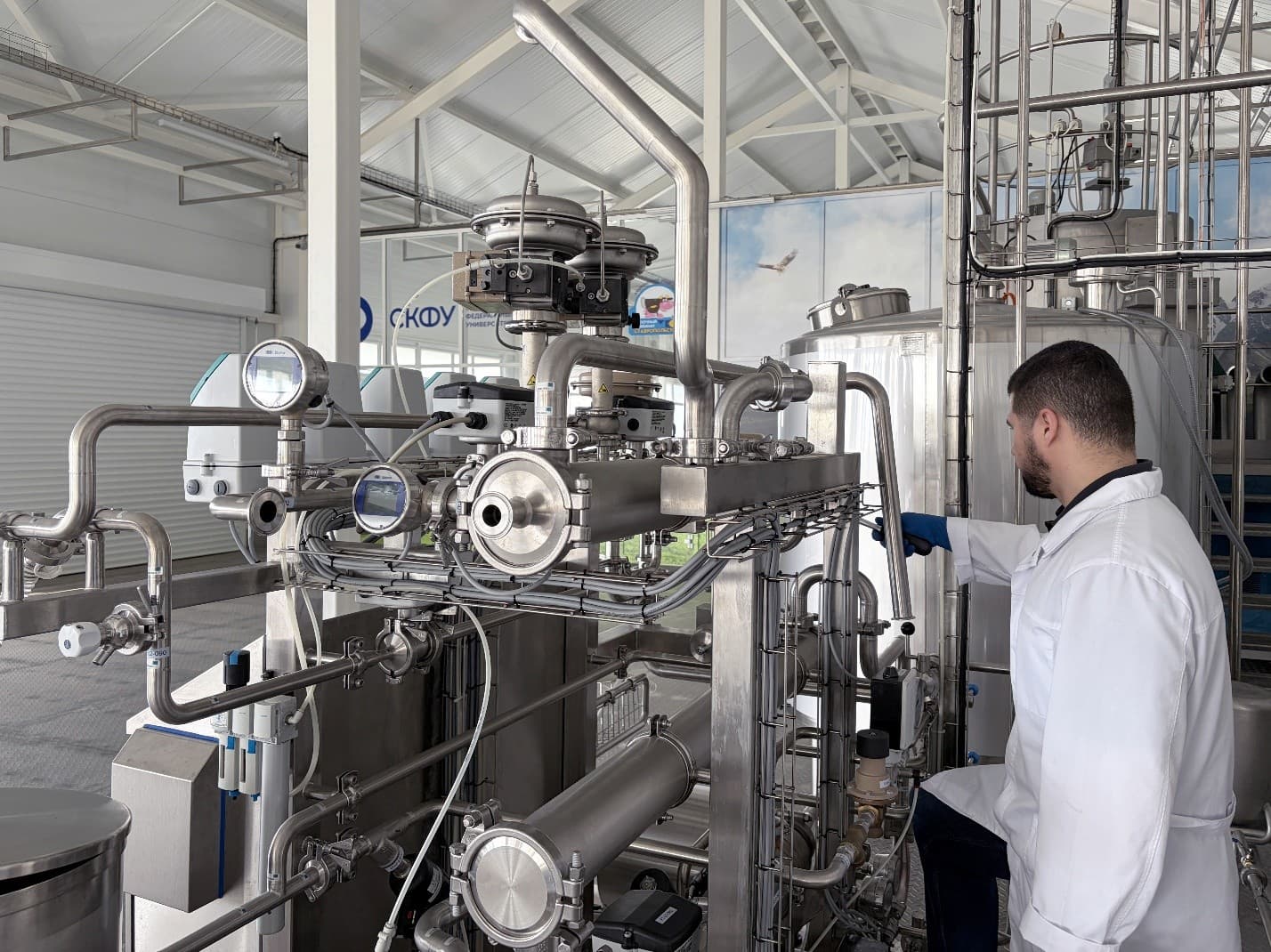
Experiments have shown that the installation is capable of cleaning tens of cubic meters of waste per hour. The resulting water contains less than 0.02% dry residue and can be reused in production.
The liquid remaining after filtration is a concentrate of all the initial substances. Analysis showed that it is especially rich in potassium. Scientists have proposed using this concentrate as a partial replacement for salt, for example, in ayran. This allows you to reduce the sodium content and increase the proportion of potassium, making the product healthier.
According to scientists' estimates, up to half of the salt in ayran can be replaced with such a concentrate without noticeable changes in taste.
Read more on the topic:
Never miss our newsAdd this site to your preferred sources to see us more oftenAdd on Google

















