Translated with AI from the Russian original.
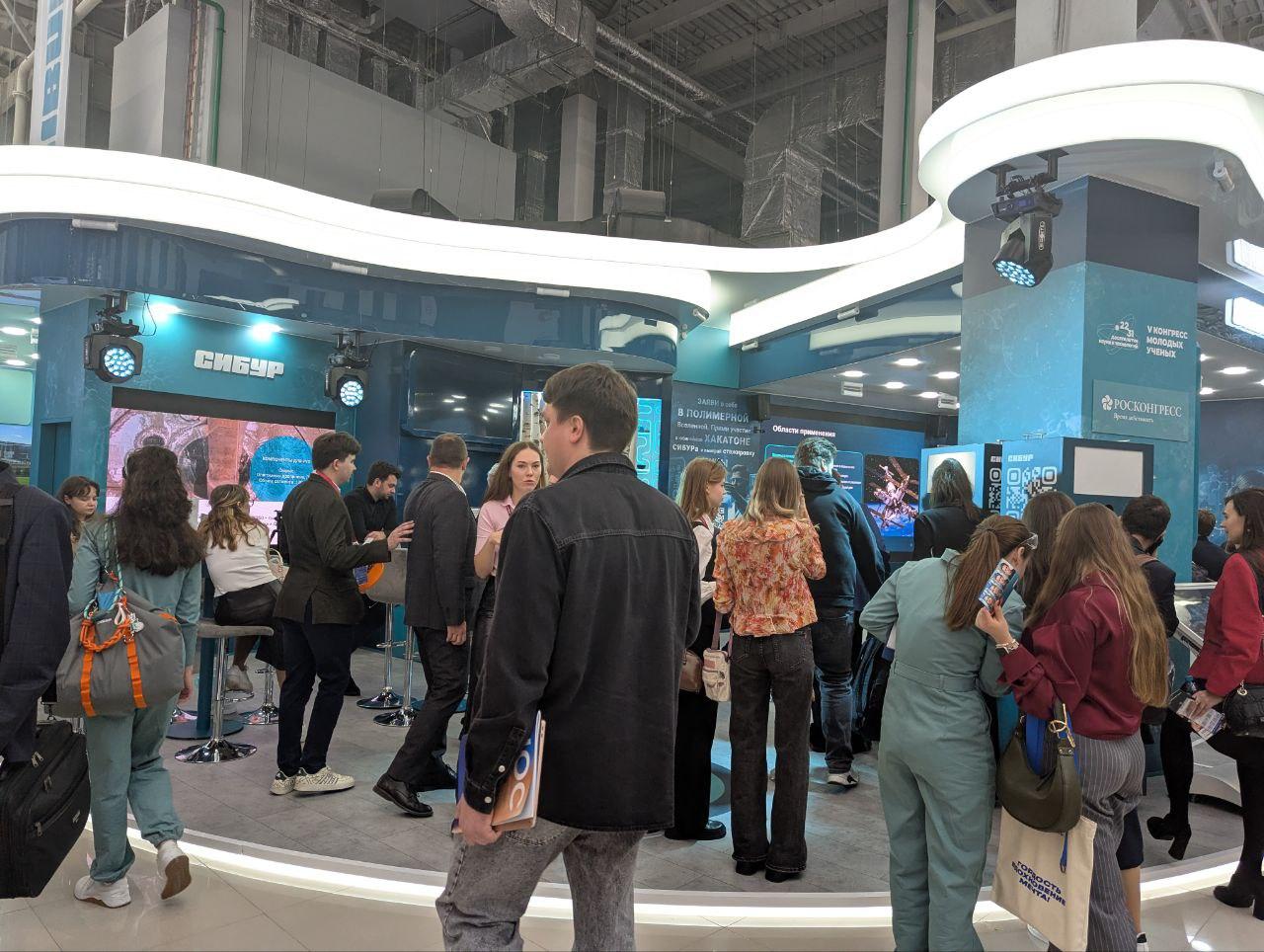
SIBUR is one of the leaders in the processing of associated petroleum gas and petrochemical products. The company is also developing the recycling of plastic waste within the framework of a circular economy. Nikita Matveev, Senior Manager of Applied Development at SIBUR PolyLab, in an exclusive interview with"First Technical", which took place on the sidelines of the V Congress of Young Scientists in Sirius, spoke about the prospects of this direction.
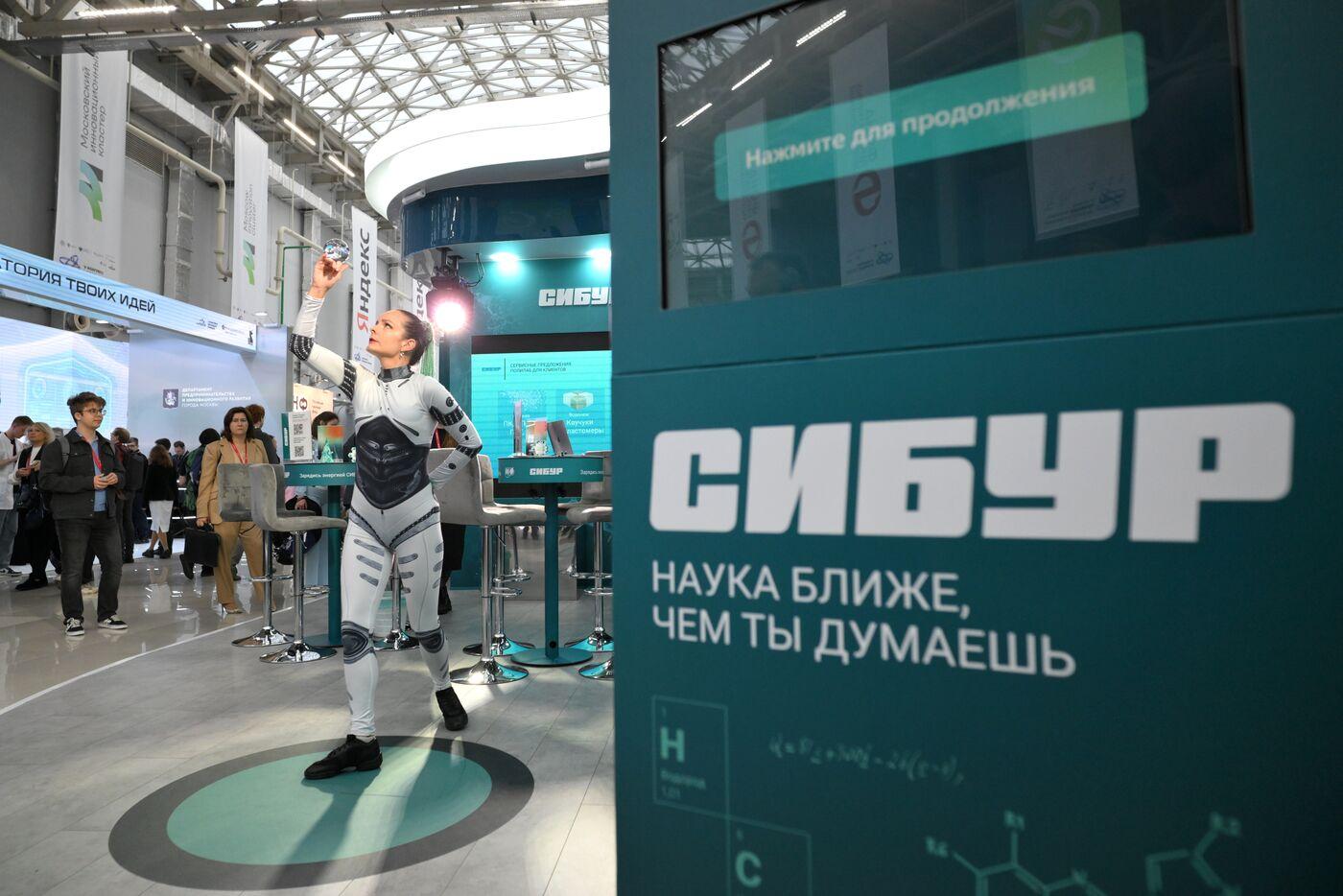
SIBUR has introduced innovative technologies and created the Vivilen brand of recycled polymers with the involvement of recycled plastic for the production of eco-packaging. The "Recycling" division is responsible for the development of this area.
Please tell us about Vivilen rPET polymers for packaging production
Nikita Matveev: Vivilen rPET is a new brand of polymers from SIBUR (used for the manufacture of packaging containers for food and cosmetic products - editor's note), which are distinguished by the fact that they contain recycled material. In this case, polyethylene, recycled beverage bottles. The percentage of involvement is about 30%. At the first stage, the collection and cleaning of secondary materials takes place, so that we work not with contaminated waste, but with already sorted and clean ones. The next step is the direct production of Vivilen rPET. Compounding takes place (the process of mixing various substances - editor's note), the addition of secondary waste. We have recipes that allow us to exclude the destruction of the material, to give it a "second life". This is our know-how.
In mid-November, you launched a joint campaign with Pyaterochka in Moscow to collect polystyrene egg trays and further recycle them to produce thermal insulation boards for construction. How in demand is this technology?
Nikita Matveev: The point is that polystyrene is a difficult material to recycle, especially if it is mixed with other waste. Thanks to this initiative, we immediately isolate the desired fraction and use it to create a new material. Polystyrene thermal insulation boards are actively used in construction (for insulation of walls, floors, roofs and foundations - editor's note), since there are no such requirements for this material as for food.
Is it possible to call waste recycling profitable? Or is this initiative aimed at protecting the environment?
We are engaged in this project within the framework of SIBUR's Sustainable Development Strategy until 2030. Because waste is a problem not only for the polymer industry, but also for other industries. Yes, the initiative is environmental in nature.
What projects are SIBUR's priorities now?
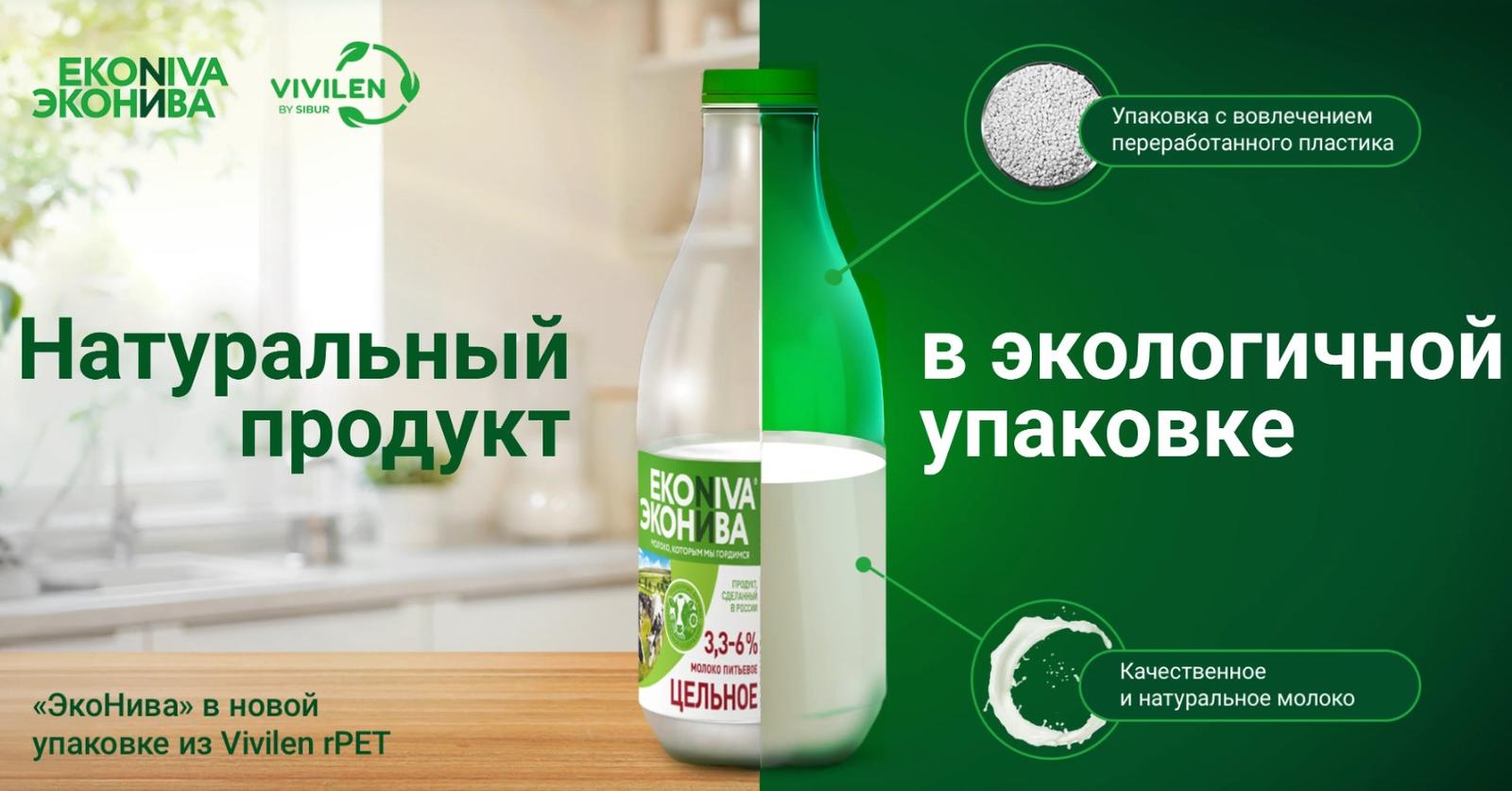
We have a lot of projects, but the priorities are the development of new grades of Vivilen brand polymers. For example, in cooperation with EkoNiva Group, we have released an updated milk packaging made with recycled plastic. Another promising area is chemical recycling, when it will not be necessary to separate waste into fractions. The material will undergo chemical treatment, be destructured and turned into naphtha. From it, it is possible to produce products with food approval (approved for contact with food products - editor's note). But this is a complex project with a planning horizon of about 3-5+ years.
Explain to our readers what a closed-loop economy means in the polymer industry
A simple example: the manufacture of a plastic bottle, its use, then transfer to recycling with the subsequent manufacture of a similar bottle. This will help reduce the amount of waste and clean the Earth.
So polymers can be considered materials of the future?
Yes, I agree with that. The polymer industry does not stand still, but is constantly developing, this is due to market demand. When specialists look at a polymer, they see how it can be modified to create something more effective and needed by the consumer.
How do you assess the personnel potential for work and research in the petrochemical sector?
There is a serious shortage of personnel not only in the polymer, but also in other branches of the chemical industry. And SIBUR is very concerned about this. Therefore, the company is developing various programs to interest young people. These are internships, excursions, media projects that popularize science. Thanks to this approach, we have the opportunity to train qualified specialists.
"First Technical" is an industry information partner of the V Congress of Young Scientists, which takes place from November 26 to 28, 2025 on the federal territory of Sirius. This is the central event of the Decade of Science and Technology in Russia.
Read more materials on the topic:
- Foreign polymers are not needed: Kemerovo "Agrosintez" has increased production to 350 tons per month
- Russian scientists have created self-degrading plastic from plants
- Production of polymers is being prepared for launch at Russian refineries
Never miss our newsAdd this site to your preferred sources to see us more oftenAdd on Google

















