Russian specialists have presented a biotechnological solution for space missions: modified algae that effectively convert carbon dioxide into oxygen directly on board the International Space Station. This was announced by the president of the National Research Center "Kurchatov Institute" Mikhail Kovalchuk during a meeting of the Presidium of the Russian Academy of Sciences.
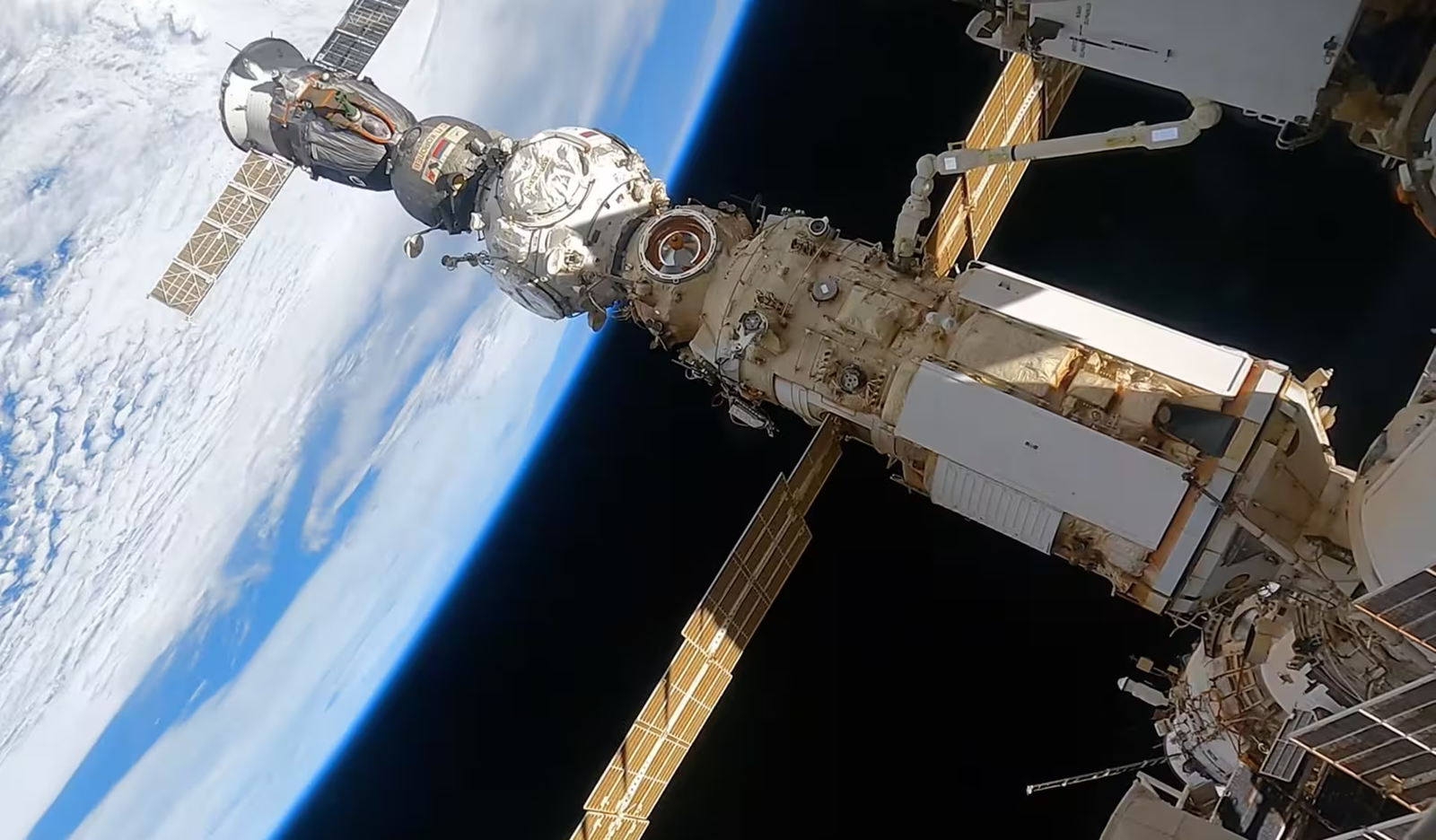
Researchers have increased the productivity of photosynthesis in algae. According to the scientist, now one cubic meter of such a culture completely absorbs the carbon dioxide that one crew member emits and returns it in the form of breathable oxygen.
The technology relies on the ability of microalgae to use light, water, and CO₂ for growth in the process of photosynthesis, while releasing oxygen. Strengthening this natural mechanism opens the way to compact bioreactors that can operate in conditions of weightlessness and limited space.
Similar solutions are in demand not only in astronautics. Algae-based bioreactors are promising for closed habitats — from polar stations to underwater vehicles. In the future, the technology may find application in air purification systems at industrial facilities and in urban infrastructure.
Read more on the topic:
Never miss our newsAdd this site to your preferred sources to see us more oftenAdd on Google