Translated with AI from the Russian original.
Anton Gorelkin, First Deputy Chairman of the State Duma Committee on Information Policy, in an interview with TASS, proposed changing the approach to labeling content created with the help of artificial intelligence. According to him, the draft law on state regulation of AI envisages mandatory labeling of neural content on online platforms. However, today, according to the deputy, more than half of the content on social platforms is created by neural networks. In the future, its share may grow to 90%, and then labeling each such message will lose its meaning. Therefore, Gorelkin proposes to label not neural content, but what is created without the use of AI — by analogy with farm products on a store shelf.
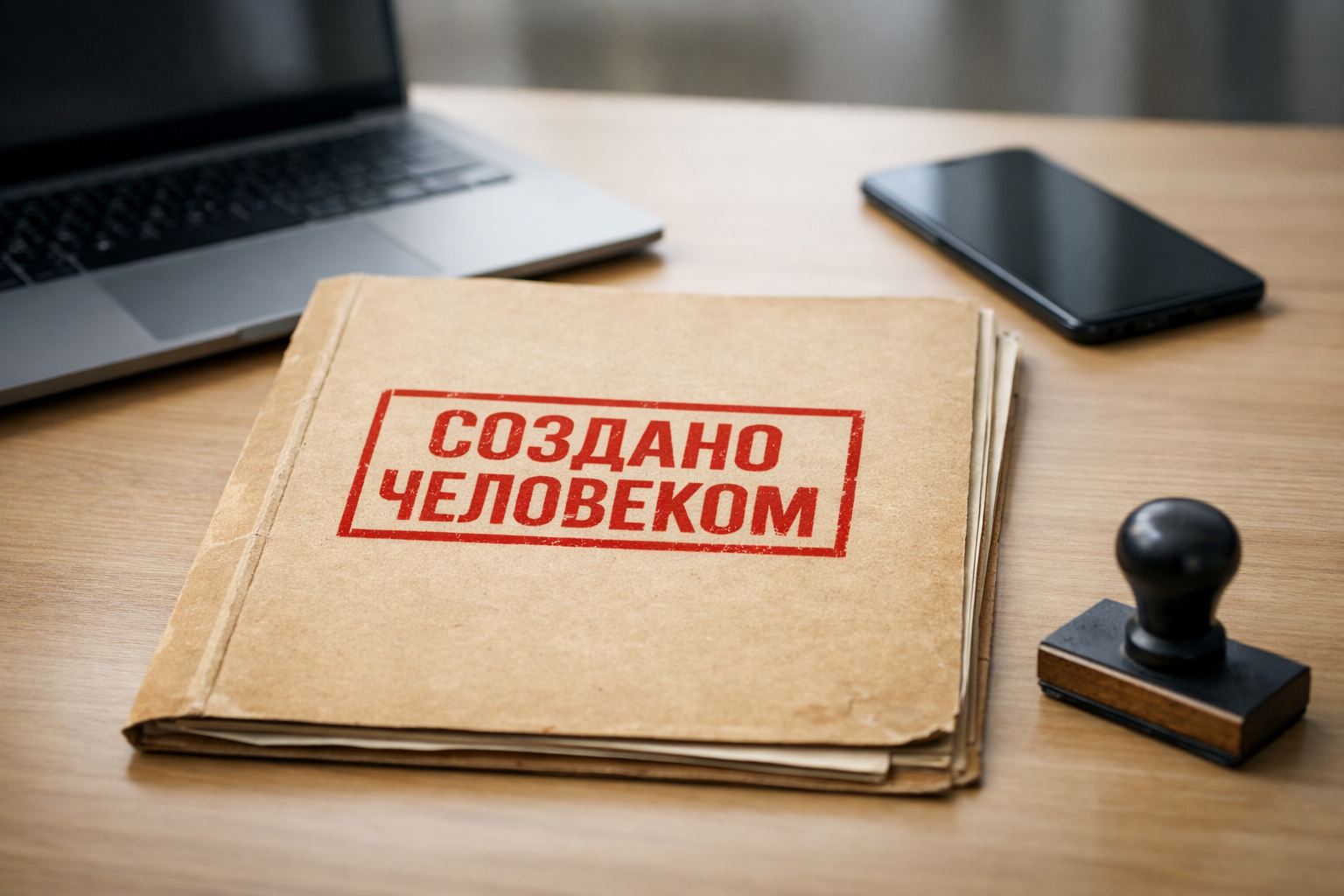
It makes sense for us to label such a “farm product” created by a person, created personally by his intellect, by his hands. Such labeling seems more reasonable to me
According to the deputy, mandatory verification of neural content labeling will require social networks to spend a lot on automated programs. He called it irrational and meaningless in the current configuration. Gorelkin intends to propose to his colleagues to revise the approach to labeling so as not to create an initiative that will have to be canceled after a while.
For Internet platforms and social networks, Gorelkin's proposal means a change in the vector of regulation. If the idea is adopted, it will be necessary to label not billions of messages generated by neural networks, but a relatively small proportion of “human” content. However, the question arises of how to technically verify that the content was indeed created without AI.
Read more materials on the topic:
- The Ministry of Digital Development has published a draft law on sovereign AI: neural networks must be created in Russia and trained on Russian data
- The right to human contact: Russia wants to enshrine the possibility of refusing AI services
- AI fakes will not pass: a service for labeling content created with the help of neural networks is being created in Russia
Never miss our newsAdd this site to your preferred sources to see us more oftenAdd on Google

















