The magnetic storm, which kept the Earth in a state of increased geomagnetic activity for almost a week, has ended. The situation has stabilized: solar wind indicators have returned to normal values, and the forecast for the coming days has become calm.
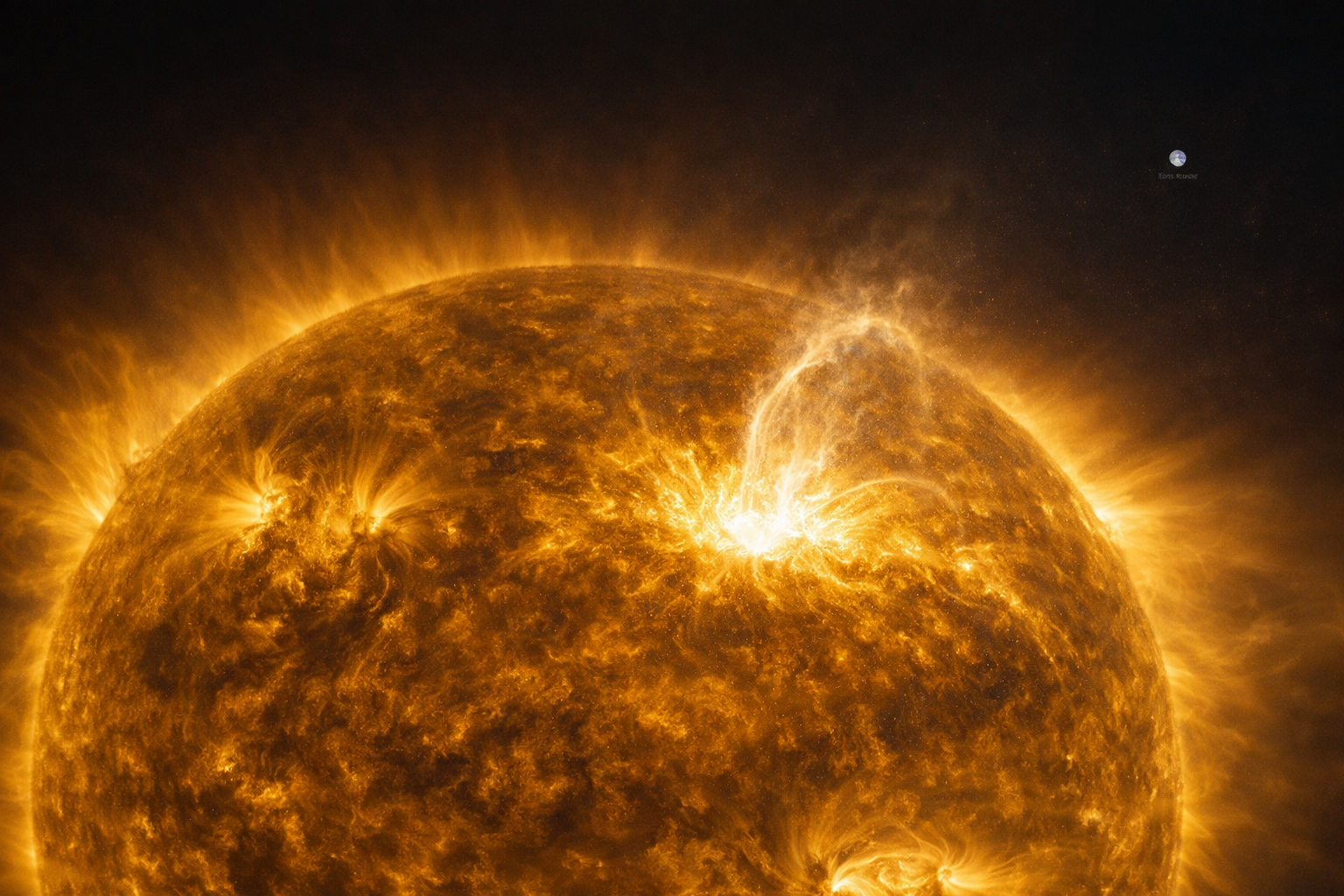
On March 24, there was a brief decrease in activity, which could have been mistaken for the end of the storm, but then the parameters remained elevated for another two days, according to the Laboratory of Solar Astronomy of the IKI RAS.
The reason was a combination of several factors. The Earth was simultaneously affected by flows from a coronal hole and several medium-power plasma clouds. As a result, a storm formed, which became the strongest in the last two months.
The event was warned about in advance, and the forecast was generally justified: it was expected that the storm would be quite powerful and would last about a week. The only discrepancy concerned the start time — the storm started about half a day later than expected.
At the moment, all solar wind parameters are in the normal range. The probability of weak bursts remains, but at the usual level. On March 26, a short-term "echo" of the storm is possible, after which the situation will finally stabilize, the scientists emphasized.
For people, magnetic storms usually do not pose a direct danger, because the Earth is protected by the atmosphere and magnetic field. At the same time, some studies note a possible connection between geomagnetic disturbances and a deterioration in the well-being of weather-sensitive people — for example, with headaches, fatigue, or pressure surges, but there is no clear scientific confirmation of these effects.
The main consequences of storms are related to technology. During such periods, GPS and navigation, radio communications, the operation of satellites and power grids may fail.
Read more on the topic:
- The strongest G3 magnetic storm in two months has ended: a second plasma cloud is heading toward Earth
- M2.8-class Solar Flare Triggers Plasma Ejection Towards Earth: Strongest Geomagnetic Storm in Two Months Expected
- The Fried Sun Will Not Let Up: The Number of Magnetic Storms Will Increase Until 2028
Never miss our newsAdd this site to your preferred sources to see us more oftenAdd on Google