A strong M2.8-class solar flare occurred on the Sun on March 16 and was accompanied by a plasma ejection towards Earth, according to specialists from the Laboratory of Solar Astronomy of IKI RAN and ISZF SB RAS. The explosion was recorded near the center of the solar disk, and simultaneously destroyed a medium-sized prominence, which increased the mass of the ejected gas. According to preliminary estimates, the impact of the plasma cloud on Earth will be head-on, which is rare for observed events. The speed of the cloud's movement has not been officially confirmed, but space telescopes have recorded a rapid ejection. The plasma movement model should be refined after data from coronagraphs is received. It is expected that the impact on the planet's magnetic field will reach level G3, which will be the strongest storm in two months, although extreme consequences similar to the January G5-level storm are not yet predicted.
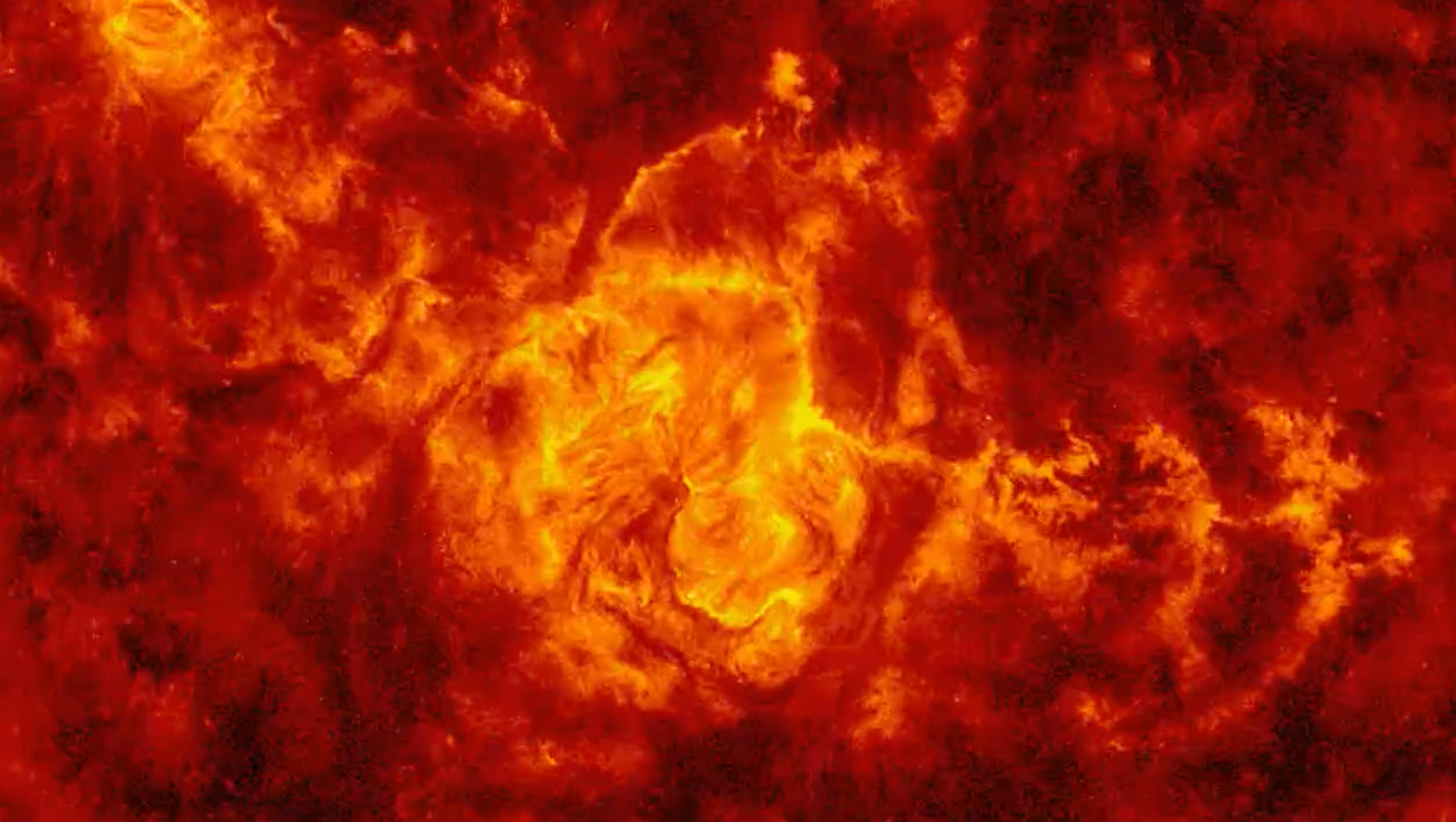
M2.8-class Solar Flare and Plasma Ejection
On March 16 at 15:15 Moscow time, an M2.8-class explosion occurred on the Sun, which was accompanied by a plasma ejection towards Earth, according to IKI RAN and ISZF SB RAS. Near the epicenter of the flare, a medium-sized prominence was destroyed, which increased the mass of the ejection. Such events with a head-on impact on Earth are considered rare.
According to space telescopes, the plasma cloud is directed straight at the planet and may cause a noticeable disturbance in the magnetic field.
Official data on the cloud's speed is not available. Preliminary estimates indicate that the impact may occur no earlier than mid-week. The geomagnetic forecast will be refined after processing coronagraphic data.
Geomagnetic Storm and Impact Forecast
A G3-level storm is preliminarily expected. For comparison, from January 19 to 21, Earth experienced a storm close to the G5 level, caused by a more powerful X1.8 flare. The current flare is weaker, so extreme radiation storms are not expected.
Characteristics of the expected geomagnetic storm:
- Flare class: M2.8
- Type of impact: head-on, center of plasma towards Earth
- Prominence: medium, ejected together with plasma
- Expected level of magnetic disturbance: G3
Comparison with the previous event shows a decrease in intensity, but the consequences may affect high latitudes, communication and navigation systems.
Early warning allows energy systems and aviation to prepare for disturbances, and minimize the risk of equipment failures dependent on the magnetic field.
Read more materials on the topic:
- Storm subsided: Earth exited the solar impact zone
- Record-breaking duration geomagnetic storm covered Earth: solar wind speed doubled
- Geomagnetic storm began on Earth: level G1
Never miss our newsAdd this site to your preferred sources to see us more oftenAdd on Google

















