Translated with AI from the Russian original.
Engineer Vladislav Klimov developed a new solid-fuel rocket design that makes it possible to place equipment more densely and improve energy-mass characteristics. The development provides for an unusual layout with several rocket engines; the documents were published in the FIPS database.

The main feature is the combination of two main engines — a pushing one and a pulling one. After launch, the pushing engine operates first. After its fuel is depleted, it separates, and then the pulling engine starts, continuing to accelerate the rocket.
Klimov changed its design. A movable gas duct connected to a disc nozzle will appear inside the body. During engine operation, the flow of combustion products pushes the gas duct outward, forming an annular nozzle throat section and creating thrust. Thrust vector control is provided by four nozzle blocks.
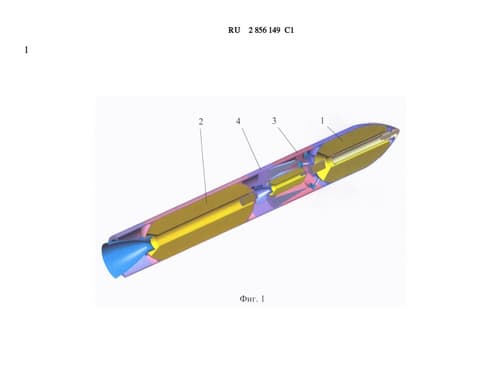
Between the engines, the engineer provided for a transition compartment. It will house a final-stage solid-fuel engine with an expandable nozzle. After the main engine separates, it starts up and accelerates the rocket to the required speed.
Payload modules will be placed around the final-stage engine. After acceleration is completed, they separate and continue flying along the assigned trajectory.
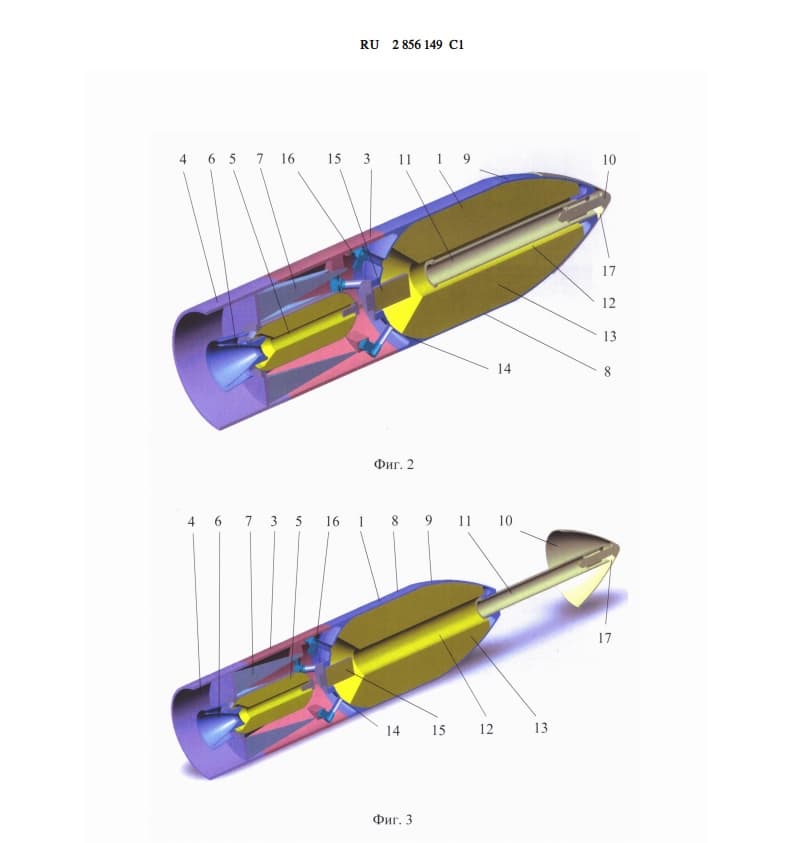
Klimov's design makes it possible to use the rocket's internal volume more efficiently and increase the effectiveness of its energy system.
Read more materials on the topic:
- An engine with \"immunity\": in Russia, they found a way to fly even when sensors fail
- A new cruise missile \"Izdeliye-30\" was produced for the Tu-160M White Swan and Tu-95MS
- Tula designers of the Pantsir air defense missile system have again been summoned to court
Never miss our newsAdd this site to your preferred sources to see us more oftenAdd on Google

















