Translated with AI from the Russian original.
Scientists at TsNIITMASH (part of Rosatom) have developed a new heat-resistant austenitic-class steel. It is intended for equipment of the primary circuit of the advanced BR-1200 nuclear reactor, in which the coolant will be molten lead. The operating temperature inside such a reactor will reach 500–600 ℃ — almost twice as high as in the currently operating VVER reactors (320–350 ℃).
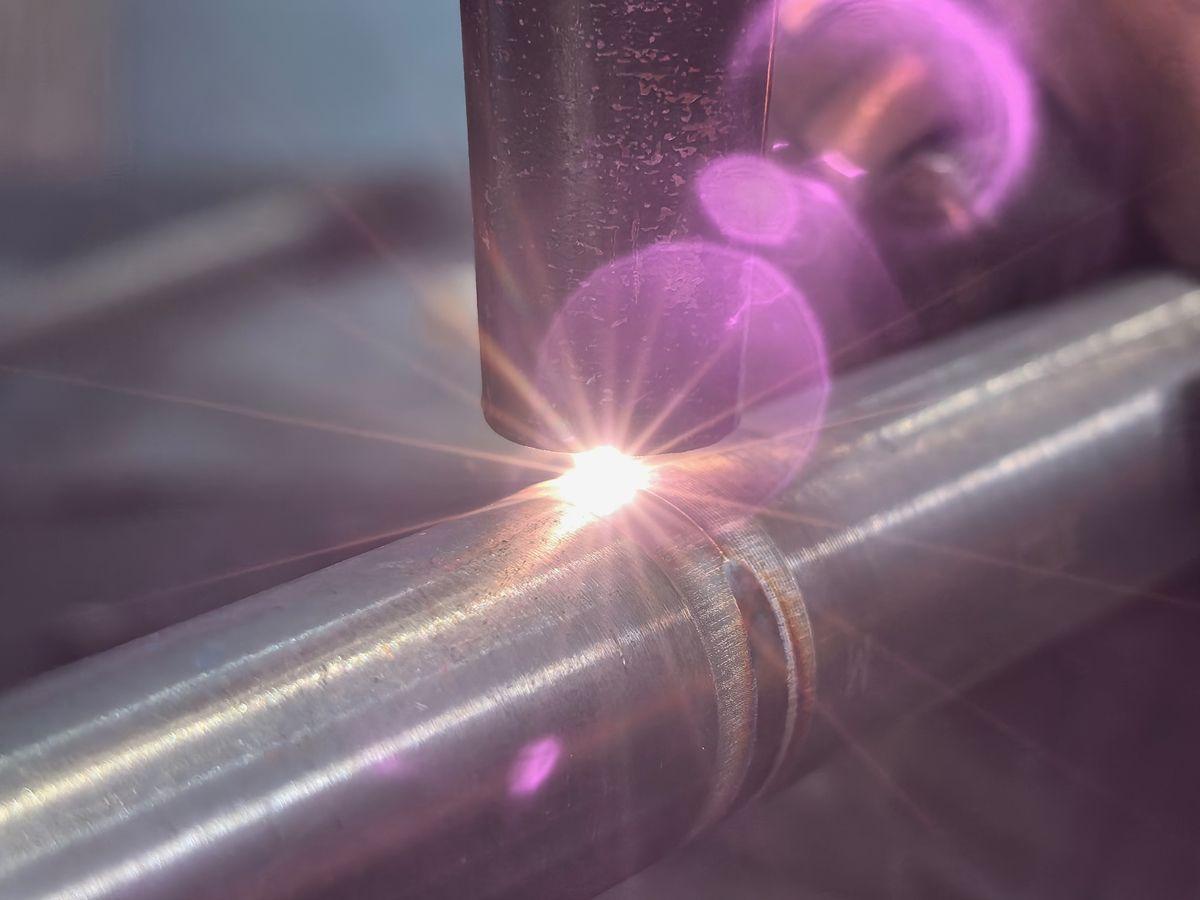
The resulting material combines the radiation and corrosion resistance required for the primary circuit of the BR-1200, as well as thermal stability at temperatures up to 600 degrees Celsius.
In addition to developing the new steel, the institute's scientists successfully tested laser welding technology. Unlike traditional arc welding, the laser method makes it possible to create joints much faster and with higher quality. This technology is planned to be used not only in the creation of new reactors, but also at already operating nuclear facilities — in VVER reactors at nuclear power plants and RITM reactors on nuclear icebreakers.
Read more materials on the topic:
- Breakthrough in metallurgy: for the first time in the country, a 115-ton blank for a nuclear container body has been created
- Wear resistance is 6 times higher: Siberian scientists from NGTU presented multifunctional nanocoatings for metal
- The swirler units of the PD-14 engine were made from the most complex alloy: an academician revealed the secret of the part
Never miss our newsAdd this site to your preferred sources to see us more oftenAdd on Google

















