Translated with AI from the Russian original.
Governor Igor Kobzev, at a meeting of the regional Emergency Situations Commission, instructed that all vacationers be evacuated from Olkhon Island on Baikal using hovercraft. However, tourists' personal cars will not be transported out. The vehicles of violators who illegally drove onto the still fragile ice will be temporarily placed in special parking areas until the official ice crossing opens or the ferry service begins operating in the summer season.
A high-alert regime has been introduced in the Olkhonsky District. An operational headquarters has been created under the governor's leadership; coordination was assigned to Deputy Prime Minister Aleksandr Anchugin. The headquarters is divided into four blocks: schedules for transporting people, logistics for the "shore — airport — hotels" route, uninterrupted supplies of food and fuel and lubricants and waste removal, as well as risk assessment and the search for an alternative crossing route.
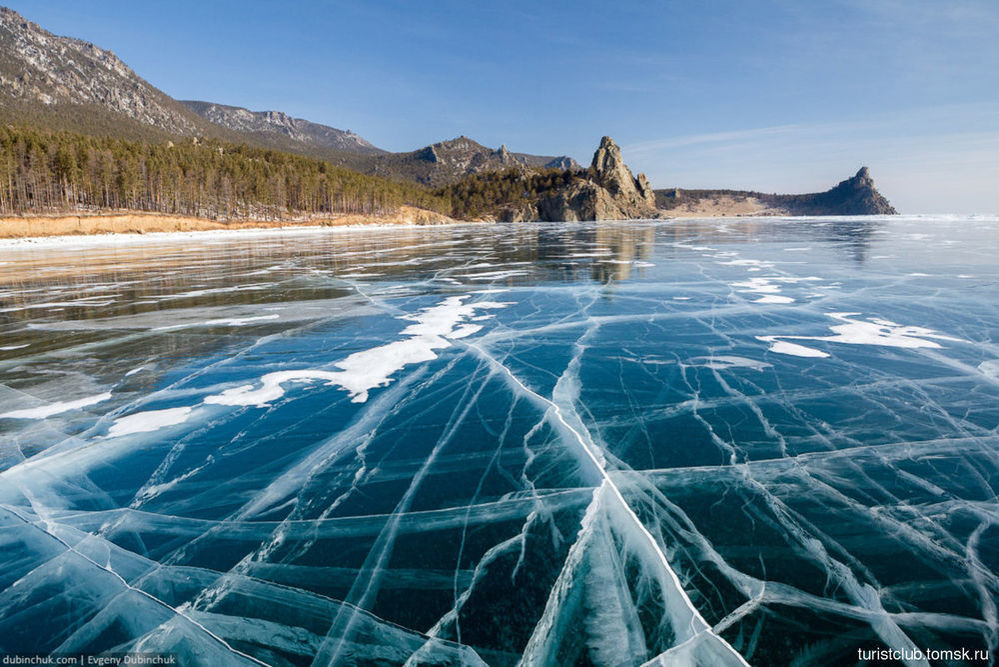
The planned 11-kilometer ice route Kurkut — Irkutskaya Guba Bay was postponed several times: first from February 12 to February 17, and then once again after cracks were discovered. EMERCOM and the regional Ministry of Transport continue daily inspections of the ice.
The governor noted that Baikal is especially beautiful at this time of year and attracts hundreds of tourists seeking spectacular shots and vivid emotions. The task of the authorities is to ensure the safety and comfort of guests. Tour operators have been advised to strictly take ice conditions into account when planning excursion programs.
Recall that on February 20, in the area of Cape Khoboy on Olkhon Island, a UAZ "Bukhanka" carrying Chinese tourists fell into a crack 3 meters wide and 18 meters deep. One passenger survived; the bodies of the other eight victims — including a child — were discovered by divers during the search operation.
Read more materials on the topic:
- The new high-speed catamaran "Sarma" has begun service on Lake Baikal
- Save Baikal: a Rosatom enterprise begins cleaning up hazardous sites near the world's largest lake
- TSU scientists named the main accumulators of microplastics in Lake Baikal
Never miss our newsAdd this site to your preferred sources to see us more oftenAdd on Google

















