SPbGU geologists analyzed rock samples from East Antarctica and determined the nature of a mysterious magnetic anomaly that had puzzled scientists for decades. It turned out to be linked to an ancient continental collision and the birth of the supercontinent Rodinia about a billion years ago.
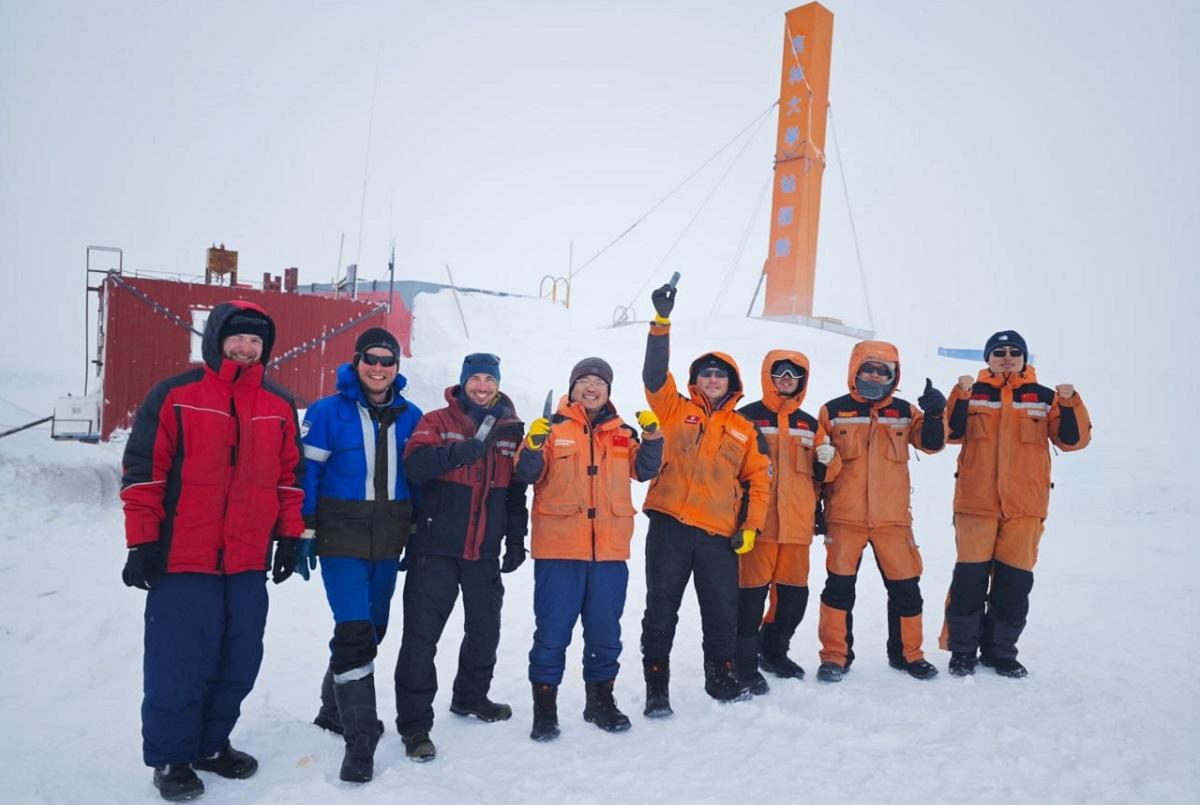
Antarctica is one of the most inaccessible regions on the planet: almost all of it is hidden beneath an ice sheet averaging 2.2 km in thickness. There is extremely little direct data on the structure of the bedrock below. However, in January-February 2026, Russian and Chinese scientists for the first time drilled the ice to a depth of more than 540 meters and reached the rocky formations beneath it. The core was studied in St. Petersburg using modern methods: petrography, chemical and isotopic analysis, as well as uranium-lead dating of zircons.
As a result of the drilling, we obtained a sample of a dark crystalline rock - the so-called mafic granulite. The study showed that this very material is the source of the intense magnetic anomaly that we observe at the surface. The data obtained allow us to draw an important conclusion: this anomaly is a fragment of an ancient island volcanic arc that in the distant past \"joined\" the Antarctic continent. This process was part of a large-scale collision of continents and the formation of the supercontinent Rodinia about a billion years ago.
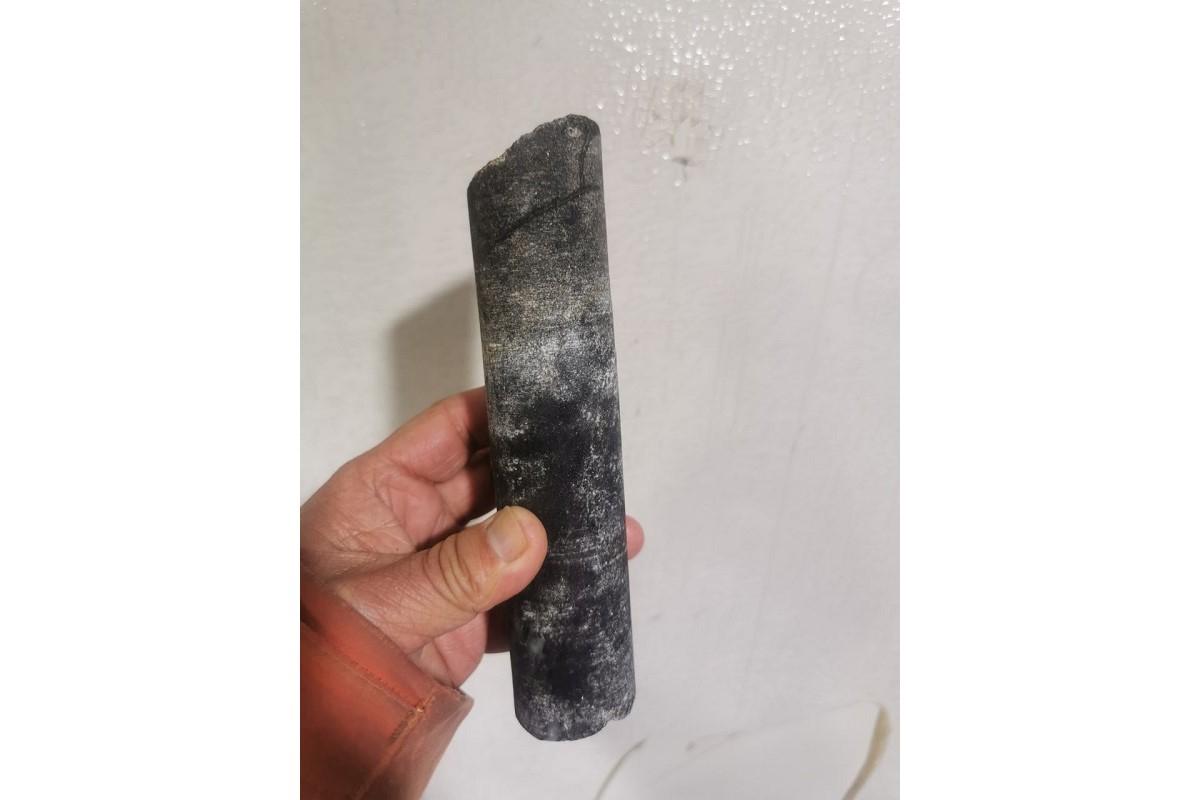
The scientists established that the primary igneous rock formed about 970 million years ago. It was then twice subjected to major changes under the influence of high temperatures (up to 790 degrees) and pressure corresponding to a depth of 15-18 km - this happened approximately 890 and 800 million years ago.
Read more materials on the topic:
- In Search of Ancient Viruses?: Ice More Than 1.2 Million Years Old Will Be Brought Up from the Depths of Antarctica for Study
- The APU-2025 scientific expedition in the Arctic is testing a magnetic method for collecting viruses from water
- Covered 43,000 Miles: The Baltic Fleet corvette \"Boikiy\" returned from a record expedition
Never miss our newsAdd this site to your preferred sources to see us more oftenAdd on Google