Scientists from Tomsk Polytechnic University (TPU) determined the physicochemical conditions that ensure accelerated ignition of self-igniting (hypergolic) fuel mixtures. The obtained data make it possible to predict combustion dynamics and create safer fuel compositions for rocket engines and spacecraft control systems.
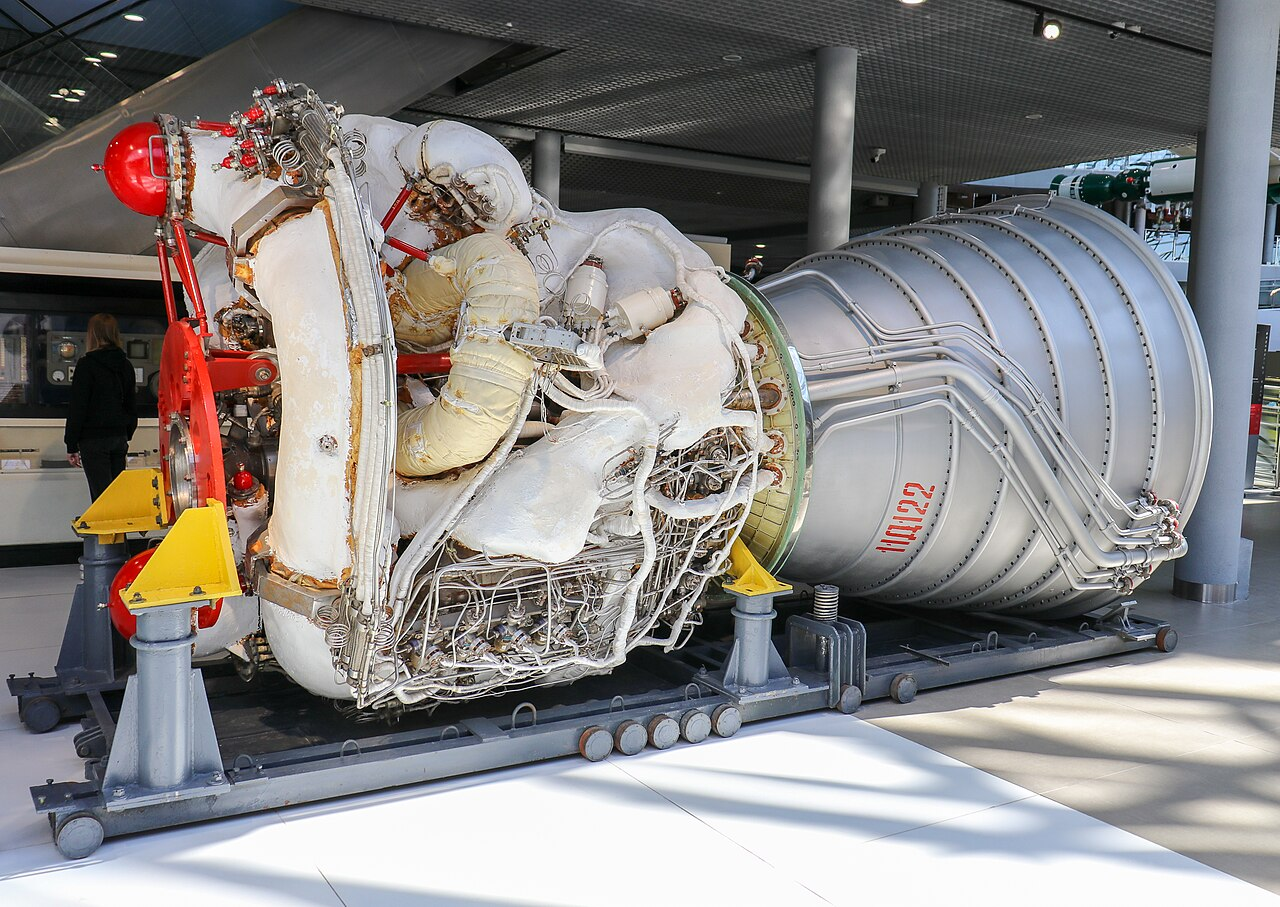
Hypergolic fuels are a combination of fuel and oxidizer that ignite spontaneously upon contact without an external initiation source.
In the experimental study, Tomsk scientists analyzed ignition kinetics using the free-fall method for fuel particles. Three key parameters were measured: the latent period before ignition, the duration of complete burnout, and the radius of flame propagation in the vapor-gas phase.
The critical factor turned out to be the particle drop height. When the falling distance was increased from 5 to 20 cm, the following was recorded:
- a 69% reduction in ignition time;
- a 56% decrease in burnout period;
- a 50% expansion of the combustion zone of the vapor-gas mixture.
In 25% of experimental runs, a micro-explosion effect was observed: disintegration of the particle with the formation of an aerosol cloud, which led to a sharp acceleration of oxidative reactions and increased combustion efficiency.
The obtained correlations between the mechanical parameters of fuel delivery and combustion kinetics provide a basis for designing engines with a controlled ignition process, which is critically important for spacecraft maneuvering and emergency start systems.
Read more materials:
- The KPGA plan was revised again: aircraft production was reduced by 50 units
- Kolomensky Zavod supplied four repaired 21-26DG diesel generators for 2TE25A Vityaz diesel locomotives
- With a YaMZ engine: Bryanskaya GKMP presented the first Russian DESNA F road milling machine
Never miss our newsAdd this site to your preferred sources to see us more oftenAdd on Google

















