Within the next month, tests of the new electronic warfare complex "Yastreb 1.0" will begin at Russian training grounds. The system was developed by AO "Nauchno-proizvodstvennoe predpriyatie" (NPP) jointly with the Advanced Research Foundation. As the company\'s official representative Igor Potapov reported, the system is designed for automated counteraction against enemy unmanned aerial vehicles through the integration of radio reconnaissance and suppression functions in a single solution.
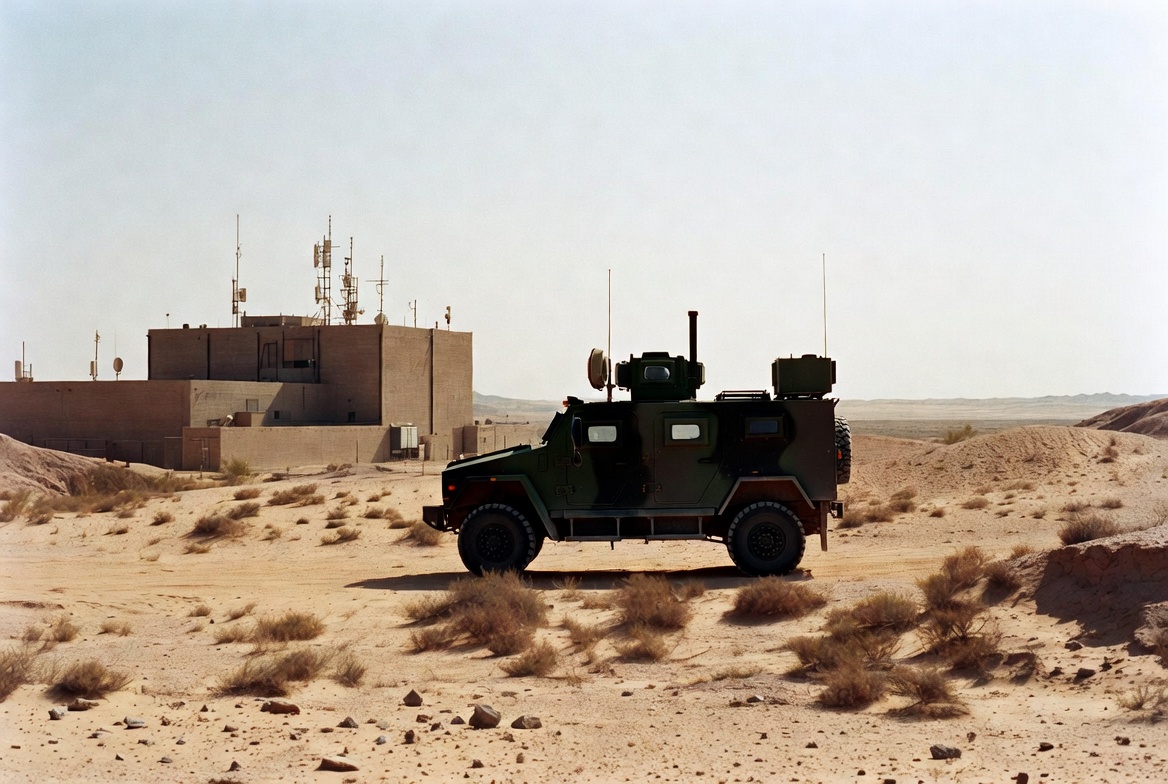
Engineers cite the key advantage of the complex as its high scanning speed across the radio frequency range from 100 MHz to 6 GHz, a figure that exceeds the comparable parameters of existing solutions. The technological feature of "Yastreb 1.0" lies in several operating modes: from classical barrage suppression to an intelligent algorithm capable of selectively "cutting out" frequencies on which interference has already been established, while simultaneously continuing to monitor the remaining band. This approach ensures effective counteraction against modern UAVs with pseudorandom retuning of transmitter operating frequencies.
The essence of the complex is that we are no longer tied to the architecture of systems based on interference generators, which have limited frequency ranges, forcing us to build up a whole garden bed of antennas. At the same time, each generator weighs a lot, and the systems require a bulky battery module. Our complex operates on an intelligent principle. We will see the final result in spring 2026; the product will become a breakthrough in its class
According to Potapov, the versatility of the platform makes it possible to promptly detect threats and automatically generate counter-jamming effects without operator involvement, which is critically important under conditions of high air situation dynamics.
Read more articles:
- Uraldronzavod began serial deliveries of Upyr-18 attack drones to the Russian army
- The frigate "Marshal Shaposhnikov" will join the international exercise "Milan-2026" in the waters of the Bay of Bengal
- Covered 43,000 miles: the Baltic Fleet corvette "Boikiy" returned from a record expedition
Never miss our newsAdd this site to your preferred sources to see us more oftenAdd on Google