The Leningrad Nuclear Power Plant has officially received licenses confirming the possibility of extending the operation of the fourth power unit until 2030, as well as authorizing the production of industrial and medical isotopes on its base. This was reported by the station's press service.
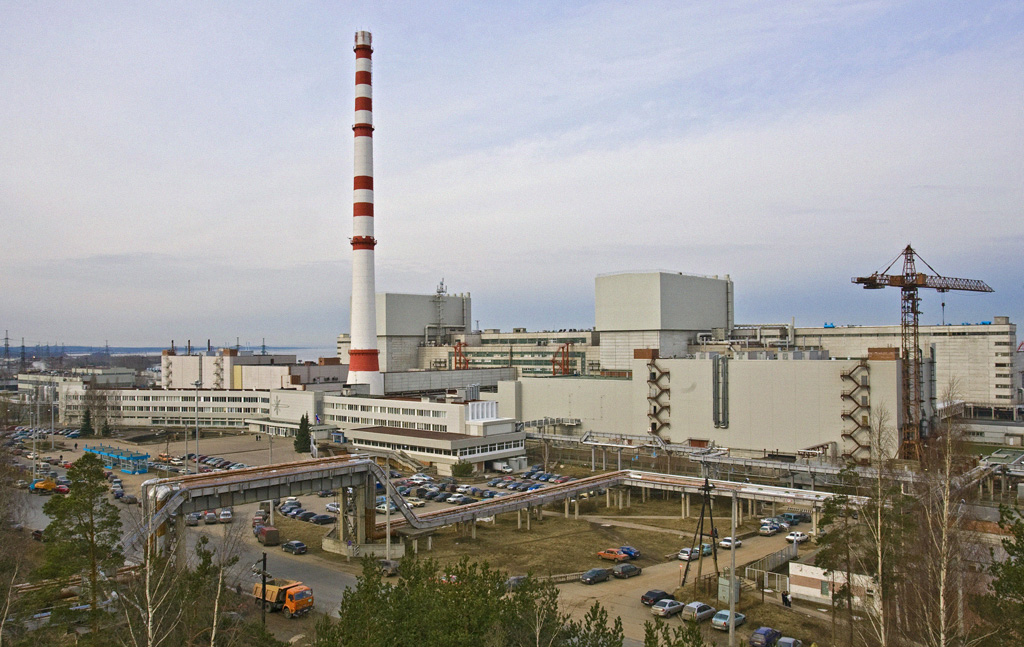
Expert assessments from design and research organizations have confirmed the technical feasibility of extending the service life of the RBMK-1000 reactor to 50 years. Since its commissioning in 1981, power unit No. 4 has generated approximately 300 billion kilowatt-hours of electricity, providing a stable power supply to the northwestern region of Russia.
Extending the operation will not only maintain the achieved level of reliability of the power system but also open up new opportunities for high-tech production. RBMK-1000 type reactors allow for the simultaneous generation of electricity and heat, as well as the radiation processing of materials and the production of valuable isotopes—both for general industrial and medical purposes.
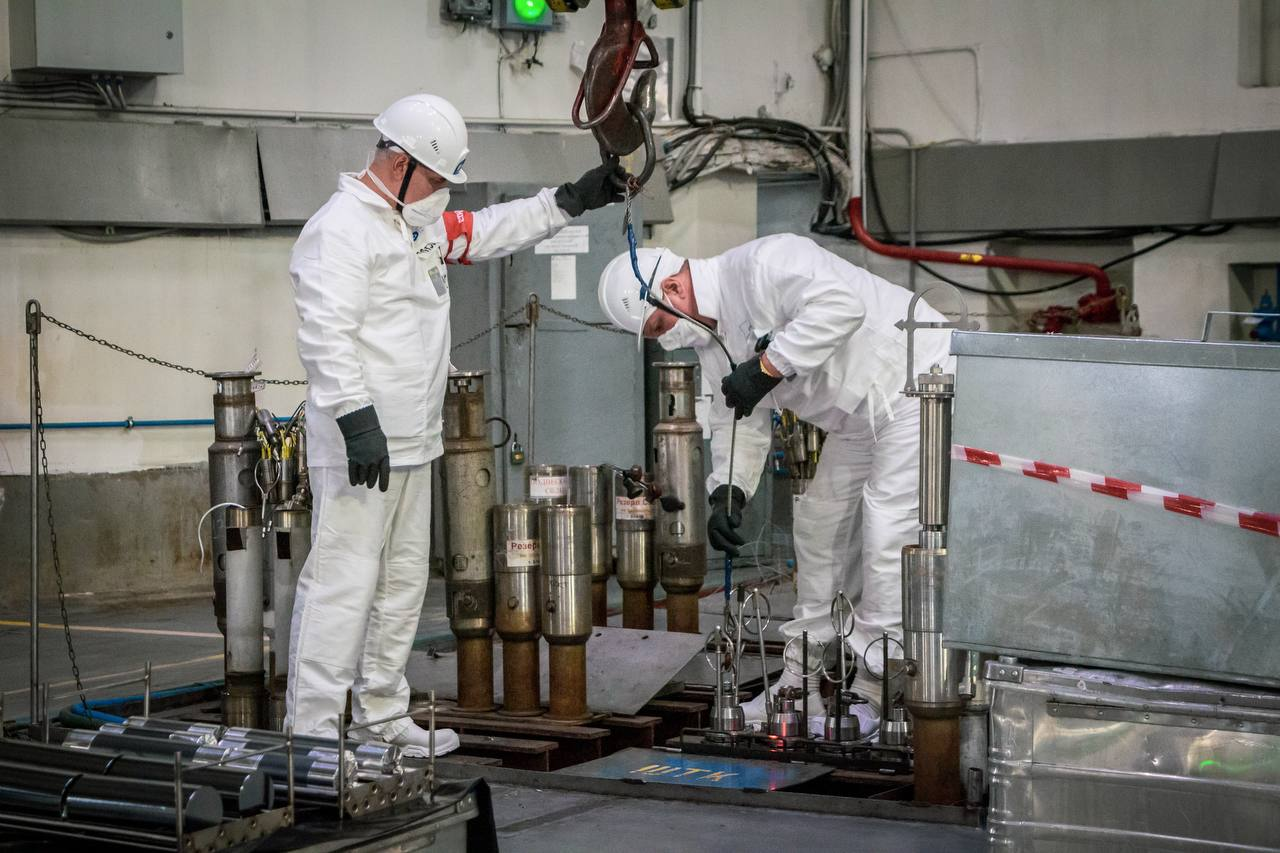
According to the station, the isotopes obtained are used in various industries: from the food industry and medicine to solving environmental problems, such as waste disinfection or sterilization of medical devices.
RBMK-1000 is the index of a high-power channel-type reactor (RBMK). It is a heterogeneous reactor using thermal neutrons, in which graphite is used as a moderator. The coolant is water, and the fuel is uranium dioxide.
Read more materials:
- Rosatom delivered nuclear fuel to launch the third power unit of the Kudankulam NPP in India
- The icebreaker "Arktika" lost its engine - the developer was held accountable
- A polar crane bridge weighing over 220 tons was delivered from Russia to the El-Dabaa NPP site
Never miss our newsAdd this site to your preferred sources to see us more oftenAdd on Google









![Growth Point: After 5G Launch, Mobile Internet in Russia Accelerated by 20%","subtitle":"TelecomDaily recorded an upload speed increase of 19.7%, and download speed of almost 14%","announce":""}[]}],](https://media.ixbt.site/fit-in/320x/ixbt-data/1727896/ai-image-nvgq0a0v5cjnyxwoc8xpelva.webp)