Translated with AI from the Russian original.
Russia's Aerospace Forces announced their readiness to begin combat test launches of three new types of air-to-surface aviation missiles. All three models were developed using exclusively domestic components and are intended to equip strategic and tactical aviation.
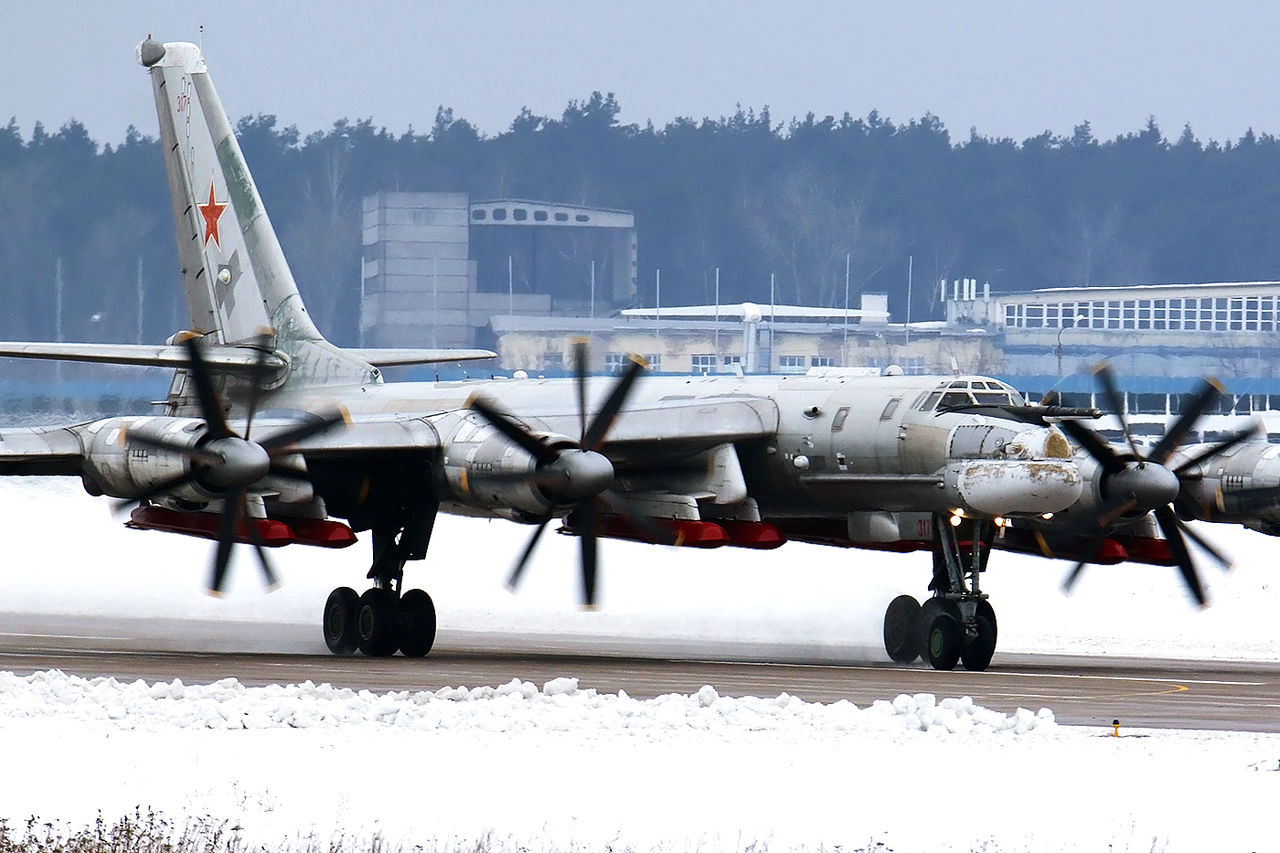
The first of the tested models is called Kh-BD-K — a subsonic cruise missile intended for modernized Tu-95MSM carriers. In terms of characteristics, it is close to the existing Kh-101: range up to 3,000 km, cruising speed of about 900 km/h, and low flight altitude — from 30 to 70 meters. However, as specialists clarify, the full-fledged Kh-BD version (without the "K" index) is a strategic missile with a range of up to 6,500 km, which will become a universal replacement for the Kh-101 for both the Tu-95 and the Tu-160.
The second model is the Kh-99, a hypersonic missile being developed for the Tu-160M. It is reported that its maximum range may reach 5,500 km at a speed of up to 6,600 km/h (about Mach 5.4). Nevertheless, according to other data, the designation "Kh-99" conceals an air-launched version of the Zircon hypersonic system with an increased range of up to 4,000 km, intended for use with the Su-34NVO and the prospective Su-57.
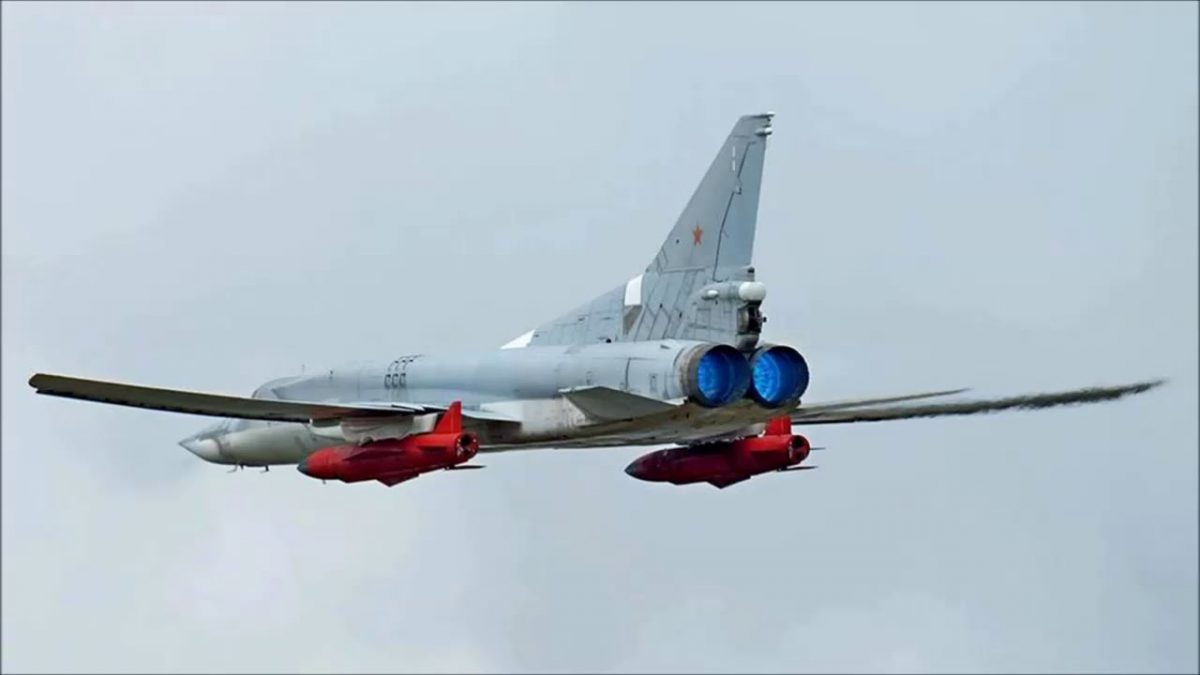
The third system is Kh-MTs, presented as a "hypersonic anti-ship missile," intended to replace the aging Kh-22. Officially stated parameters are: range up to 900 km and speed up to 4,200 km/h. In reality, this is a deep modernization of the Kh-32 missile used with the Tu-22M3. In the new configuration, according to preliminary estimates, it will be able to develop a speed of Mach 6-7 and strike targets at a distance of up to 2,000 km. It is noted that throughout its entire service life since 2016, not a single Kh-32 has been intercepted.
Special attention is given to the fact that all three missiles were created without the use of imported components.
Read more materials on the topic:
- Closed the year with a record: the Aerospace Forces received the seventh Il-76MD-90A in 2025
- "Vladimir Nosov" destroyed drones and BEK in the Baltic
Never miss our newsAdd this site to your preferred sources to see us more oftenAdd on Google

















