Russia is three years ahead of the United States in developing an engine for supersonic civil aviation. This was stated by Andrey Kozlov, General Director of the Central Institute of Aviation Motor Engineering named after P. I. Baranov.
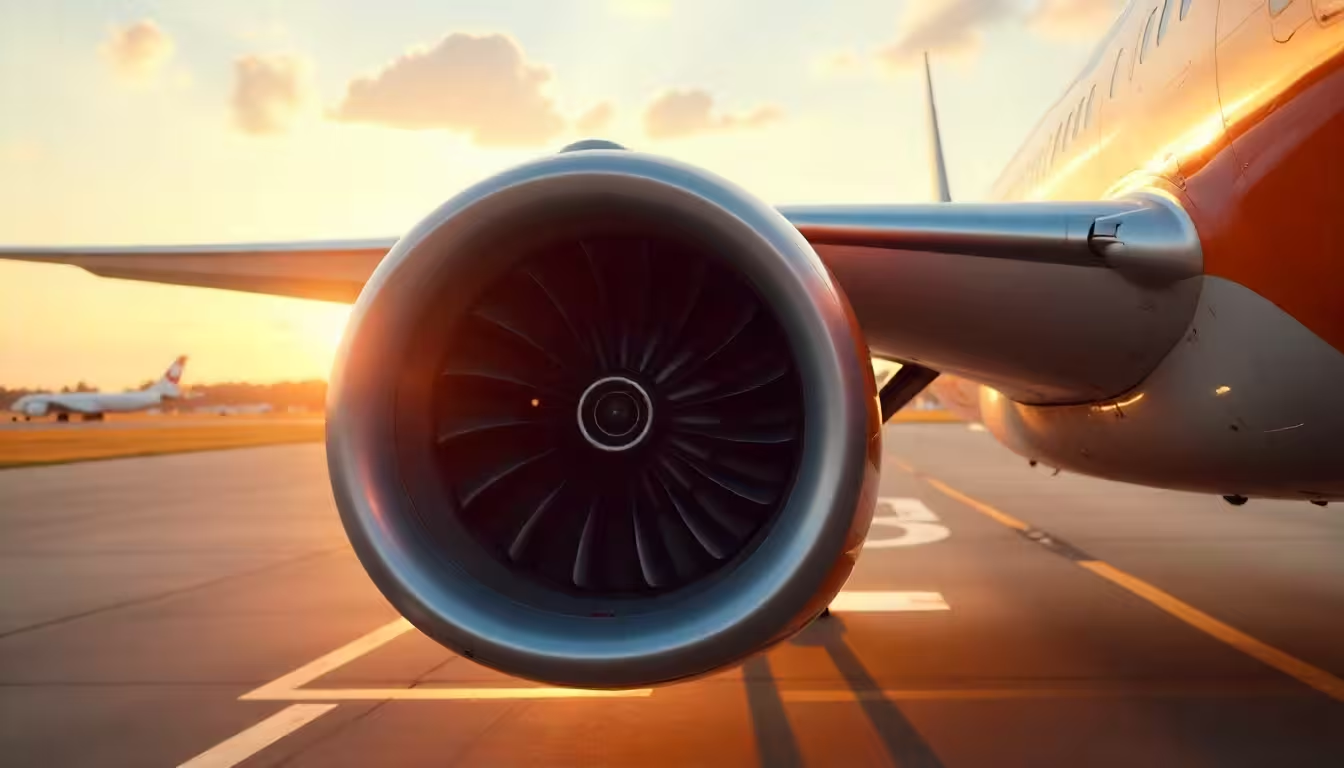
According to him, Russia is currently the sole leader in this field.
They [the US] are about three years behind. The Americans scattered the project across startups, but failed to put the individual "cubes" together. Because it is, indeed, a very complex, very high-tech thing.
Kozlov clarified that the task is to ensure that the aircraft carries the maximum payload. To do this, it is necessary to lighten the engine as much as possible. Certain developments are already in place, for example, composite blades are significantly lighter than titanium ones.
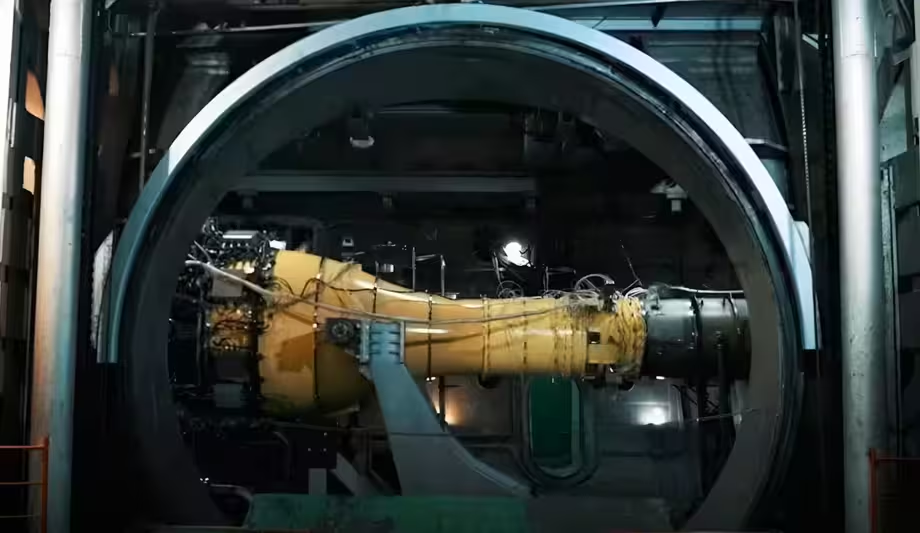
We have formed a list of critical technologies that are needed to create the engine. This includes new materials. But the institute needs to conduct qualification tests not just of a new material, but of each specific part that will experience the strongest loads.
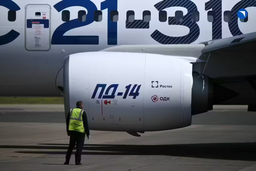
Prior to this, Kozlov explained why the gas generators of the PD-8 and PD-14 engines are not suitable for the power plant for a promising supersonic aircraft.
Read more materials on the topic:
Now on home

Start of deliveries scheduled for 2027
Over 51,000 new motorcycles were sold in Russia in 2025

The car will take at least a year to assemble

The application's audience has reached 20 million users

The model will be included in the list of cars for taxis, price - from 2.25 million rubles

All parking lots of the "Administrator of the Moscow Parking Space" are connected to the service

The cars will be supplied to the Moscow Transport Service Directorate
Deliveries to India may begin in 2028
The technology provides automated search for all types of defects in power units
The plane flew 500 km, accelerating to 425 km/h

The plant stated that the information about the termination of purchases for models 6 and 8 is not true
Scientists are using the "Ekran-M" installation