Translated with AI from the Russian original.
A software (SW) for modeling accidents in the power supply system and determining the possibilities for its restoration has been developed at the Novosibirsk State Technical University (NSTU NETI). This was reported in the press service of the university.
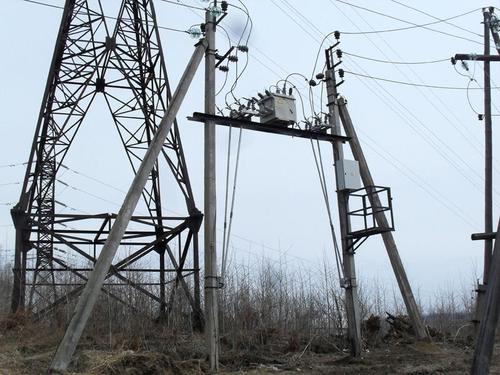
In the event of an emergency, the damaged section is automatically disconnected by reclosers, and then, with their help, the power supply to the disconnected consumers is automatically restored by turning on backup power supply paths.
The program automatically assesses the reliability of power supply, identifies load sections with voltage deviations, and suggests optimal options for placing automatic voltage regulation points and reclosers (automatic devices to improve reliability and accelerate power supply restoration).
The program is created in Python and allows you to calculate network parameters, optimize them, and visually compare states before and after changes. The software quickly iterates through thousands of equipment placement options and offers the most optimal one, which the designer can accept or adjust.
Earlier www1.ru reported that equipment for preventing accidents at SKIF was created in Russia.
Read more materials on the topic:
- A new unique method for preventing train derailments has been developed at IrGUPS
- A new technology for coordinating the operation of traffic lights has been implemented on the roads of Moscow
- A series of installations for modeling accidents at nuclear power plants has been created in Novosibirsk
Never miss our newsAdd this site to your preferred sources to see us more oftenAdd on Google

















