Translated with AI from the Russian original.
The Novolakskaya wind farm project, implemented by Rosatom as part of its energy portfolio diversification, has entered a new phase: the first phase of the station has officially begun supplying electricity to the country's Unified Energy System. The first phase involved 61 wind turbines, capable of providing sustainable "green" electricity generation on an industrial scale.
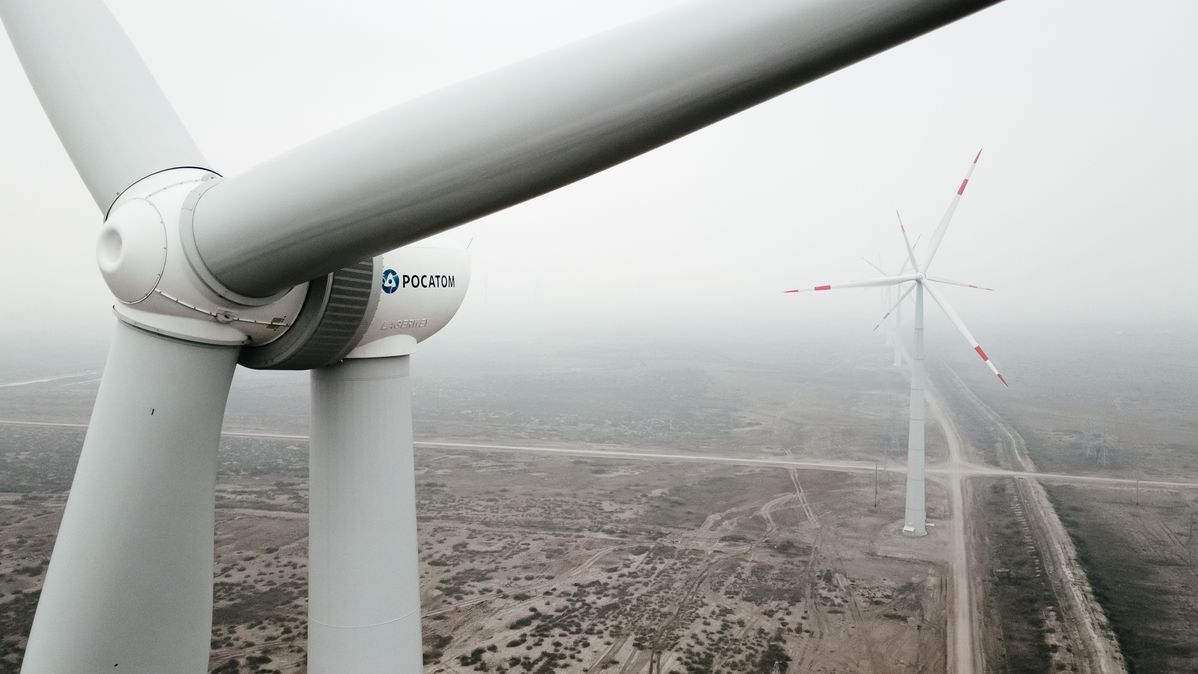
According to the approved schedule, the completion of the second phase of construction is planned for 2026. During this period, another 59 wind turbines will be put into operation. After full commissioning, the Novolakskaya Wind Farm will become the largest wind farm in Russia. Its total installed capacity will reach 300 MW, and the projected average annual output will be 879 million kWh - this volume is sufficient to cover the needs of more than 300 thousand households.
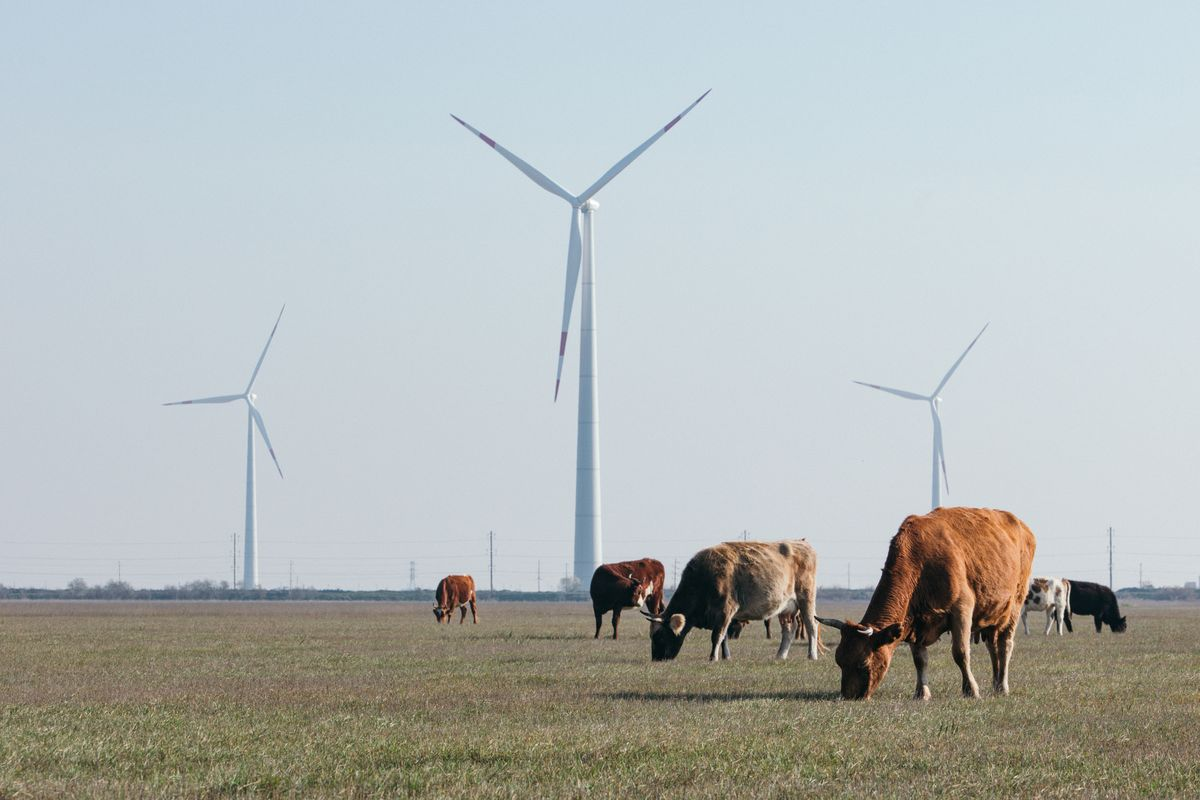
This project not only strengthens Rosatom's position in the renewable energy segment, but also makes a significant contribution to achieving national goals for decarbonization and energy transition.
It is especially important that the station is built in a region with a temperate climate and stable wind regime, which ensures high production efficiency throughout the year.
Read also:
- Rosatom to Build New Uspenovskaya Wind Farm with Capacity up to 400 MW in Amur Region
- "Unmanned" Maintenance Concept: New Power Management System to be Implemented at Karmalinovskaya Wind Farm
- Rosatom and Kyrgyzstan: A Path to Green Energy with a New Wind Power Plant Project
Never miss our newsAdd this site to your preferred sources to see us more oftenAdd on Google

















