Russian military engineers have unveiled an upgraded version of the Geran-2 strike unmanned aerial vehicles, equipped with the capability to engage aerial targets, including airplanes and helicopters. The new modification features an advanced guidance system that allows it to track and attack moving objects in the air. Additionally, the drones are now controlled via an encrypted communication channel, making it significantly more difficult for the enemy to intercept or jam them.
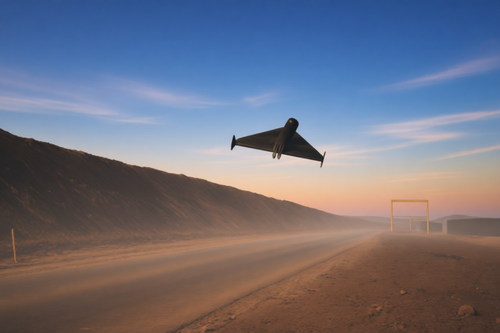
Improved aerodynamics and reduced radar signature also enhance the UAV's survivability in conditions of intense counteraction.
The Geran-2 drone has transitioned from the classic role of a kamikaze UAV to a multifunctional combat asset capable of performing both strike and reconnaissance-interception missions.
Experts emphasize that further development of such systems could lead to the emergence of "swarms" of interacting drones capable of autonomously coordinating actions in combat.
Earlier,www1.ru reported that Russia has increased the production of Geran-2 drones: production has stabilized at 6,500-7,500 drones per month.
Read also:
- Russia may arm Venezuela with 2,000 Geran-2 drones
- Geran-2 Updated Again: Drones Get Rear-View Cameras and Transmit Video via Radio Channel
- Tula Engineers Create FPV Interceptor Drone That Will Be a Serious Threat to Baba Yaga
Never miss our newsAdd this site to your preferred sources to see us more oftenAdd on Google