Translated with AI from the Russian original.
The State Duma Committee on Transport rejected the initiative of deputies of the Vologda Oblast, who proposed to reinstate fines for exceeding the average speed on highways. The regional authorities insisted on conducting a legal experiment: they proposed to record violations using the formula "road section length / time to overcome it" and fine drivers under Art. 12.9 of the Administrative Code of the Russian Federation.
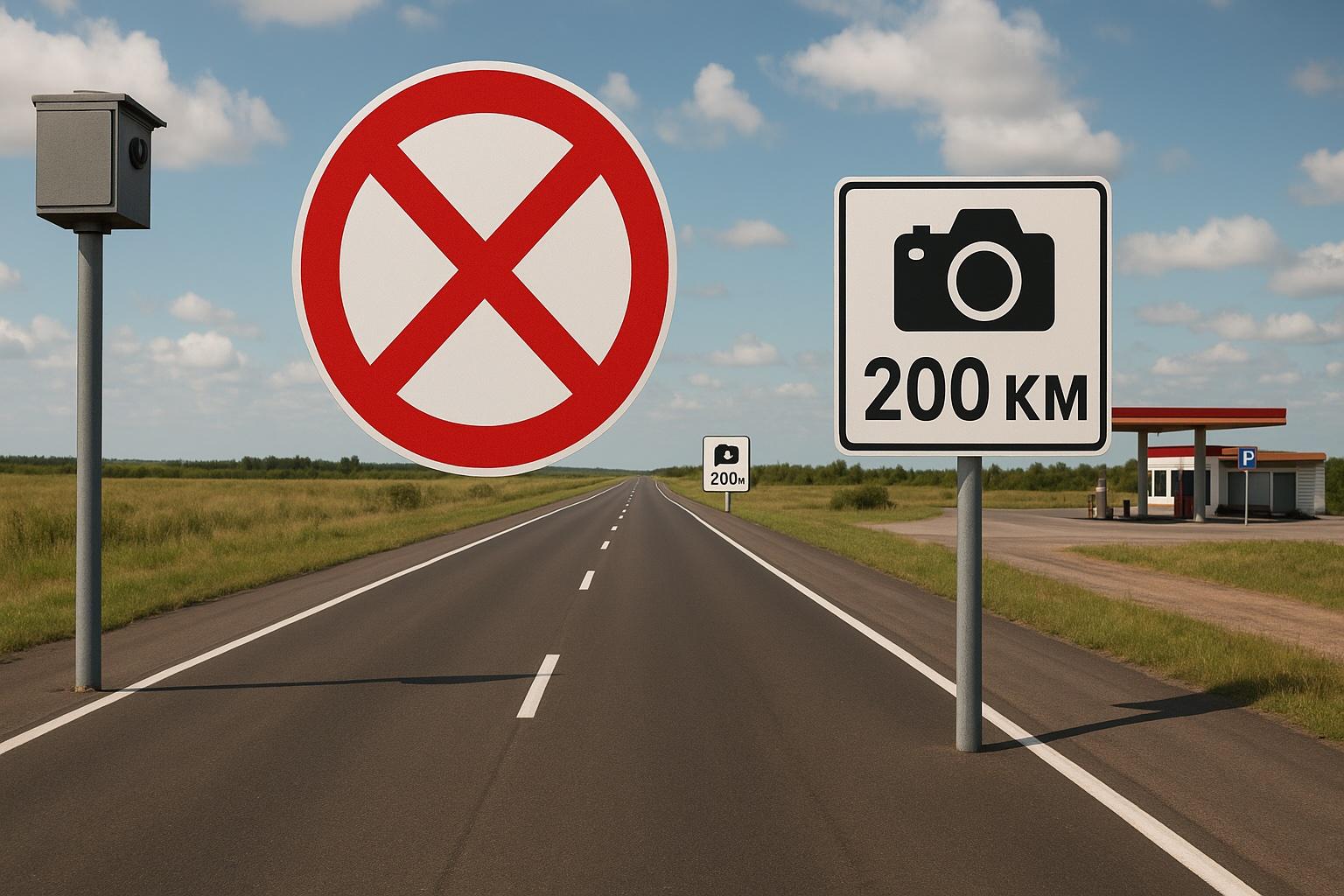
The project involved launching an experiment until the end of 2026 on a section of 200 km. However, the State Duma pointed out that drivers will be able to bypass the system by making stops at gas stations or parking lots in order to formally "maintain" the average speed. In addition, there will be a risk of duplication of fines: for the same excess, they can be punished for both "instant" speed and "average" speed.
Criticism has been voiced before. In 2021, the Supreme Court overturned the practice of fines for average speed, emphasizing that the place of violation should be specific, and not an indefinite section of the road. Later, the Ministry of Transport proposed amendments, but they were not adopted, and the Ministry of Internal Affairs opposed their implementation.
The idea of recording average speed is actively discussed in the regions - it was supported by the authorities of Moscow, Tatarstan, YaNAO and Vologda, considering the measure an effective way to combat accidents. However, the federal authorities fear legal conflicts and an increase in the number of disputed fines. For drivers, this means maintaining the usual speed control system, without introducing new grounds for punishment.
Read more on the topic:
- Russia Considers Reinstating Average Speed Fines
- Even Experienced Drivers Don't Know: 10 Most Common Fines for Violations in the Yard
- Age Matters: It Became Known Which Drivers Pay the Biggest Fines
Never miss our newsAdd this site to your preferred sources to see us more oftenAdd on Google

















