MISIS, the University of Science and Technology, has developed an innovative alloy for aircraft construction. This technology allows the creation of aircraft parts from recycled materials. The new material includes aluminum, iron, calcium, and copper.
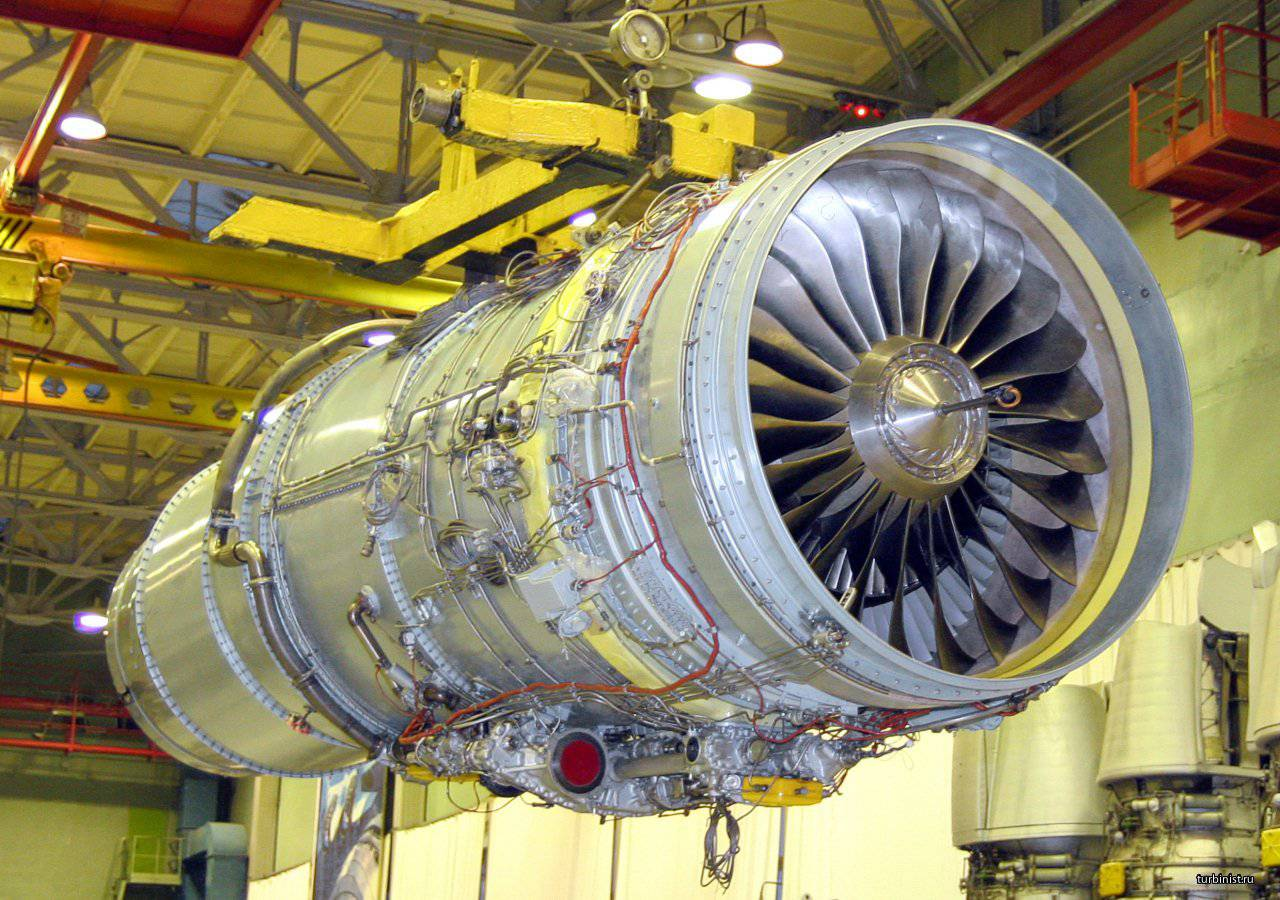
The new alloy developed at MISIS opens up broad prospects for the aviation industry. It not only reduces dependence on primary raw materials but also helps solve environmental problems associated with the disposal of metal scrap. The use of recycled aluminum significantly reduces energy consumption in production, as remelting scrap requires much less energy than producing primary aluminum from bauxite.
The unique composition of the alloy provides it with improved mechanical characteristics, such as strength and resistance to high temperatures. This is especially important for aircraft parts that are subjected to significant loads and thermal effects during flight. The introduction of iron, calcium, and copper allows achieving an optimal combination of these properties.
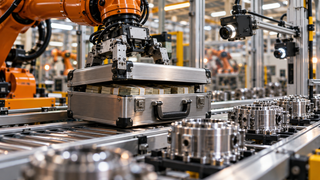
The alloy production technology involves the use of modern casting and processing methods, which allows obtaining complex-shaped parts with high precision. This expands the possibilities for designing and manufacturing aircraft components, as well as optimizing their weight and increasing efficiency.
The material will reduce the cost of manufacturing components. The metal is suitable for aircraft skin and 3D printing of complex parts. The technology is also promising for mechanical engineering and the military-industrial complex.
Read also on the topic:
Never miss our newsAdd this site to your preferred sources to see us more oftenAdd on Google