Translated with AI from the Russian original.
Russian military personnel have begun testing the innovative "Staff" laser air defense system, capable of instantly disabling drones. The system is highly versatile and mobile, and can be mounted on any armored vehicle, said State Duma Deputy Alexei Zhuravlev.
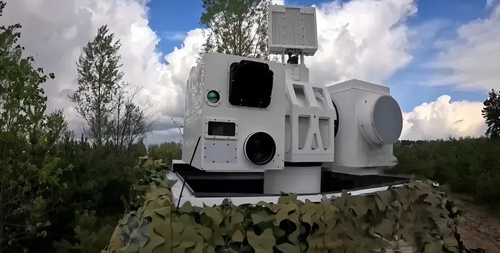
According to him, the "Staff" is powered by batteries, with a range of about 1.5-2 km. The laser focuses on the body or key components of drones. The high temperature disables drones in fractions of a second, and the beam can be fired an unlimited number of times.
The insides burn out, the motor fails, the wires melt. If it just touches the body, the aerodynamics are disrupted, the drone still falls. The most important thing about this type of weapon is that it doesn't need ammunition; the beam can be fired an unlimited number of times.
Earlier,www1.ru reported thatthe flagship of the Russian Navy, the cruiser "Admiral Kuznetsov," may be scrapped.
Read more materials:
Goodbye, Mi-8, hello, Mi-80: the "Super Eight" helicopter will appear in Russia
Naval rocket launchers "Smerch-2" came ashore: the T-80 tank platform came in handy
"Geran" drones received an anti-radar version: they will turn radar stations into colanders
Never miss our newsAdd this site to your preferred sources to see us more oftenAdd on Google

















