Translated with AI from the Russian original.
A meeting of the joint Russian-American commission on the International Space Station (ISS) took place in Moscow. Participants discussed reducing the risks of air leaks in the station's transfer module and preparing for the safe deorbiting of the ISS.
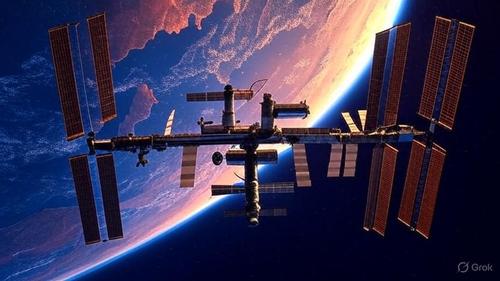
The commission was established in 1996 to coordinate cooperation between the two countries within the ISS project. It is currently headed by cosmonaut Sergei Krikalev from Russia and astronaut Robert Cabana from the USA.
Russian and American experts discussed, among other things, reducing the risks associated with atmosphere leaks on the station and the safe deorbiting of the ISS.
The ISS is gradually approaching the end of its service life. Preparation for its safe decommissioning is necessary to avoid unpredictable consequences when fragments of the station fall to Earth. Air leaks also pose a direct threat to the crew and require constant monitoring.
Read more on the topic:
Head of Roscosmos stated that the ISS will operate until 2028
The Progress MS-30 space truck raised the ISS by 1.93 km
The SpaceX Crew-11 mission crew went into quarantine before flying to the ISS
Never miss our newsAdd this site to your preferred sources to see us more oftenAdd on Google

















