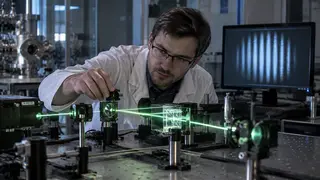
Novosibirsk State University (NSU) leads a consortium that has received a grant of 210 million rubles to develop the "digital core" technology — a digital model of rocks that will allow oil companies to more accurately predict the behavior of hard-to-recover reserves.
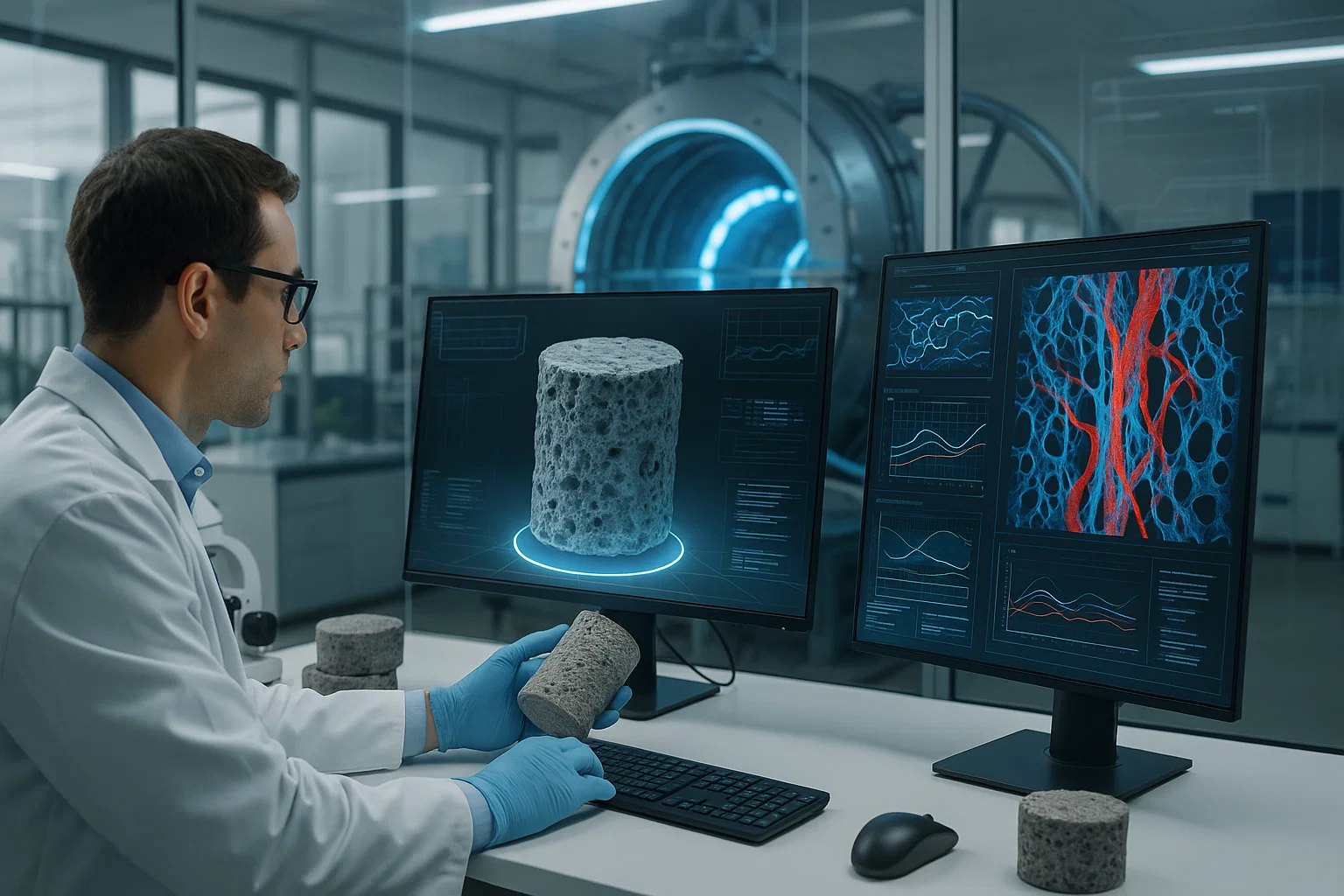
Modern deposits contain oil trapped in dense rocks with low permeability. Traditional methods of core analysis (rock samples) are time-consuming and require expensive equipment. The digital core is a virtual 3D model created based on X-ray tomography data using synchrotron radiation.
The key tool of the project is the SKIF synchrotron, which is being built in the science city of Koltsovo. Its powerful radiation will allow scanning the rock with nanoscale detail, capturing the movement of fluid in the pores in real time.
SKIF makes it possible to observe microscopic processes inside the rock in real time. This is a real revolution in geological and petroleum research.
The project brings together 7 organizations, including Tomsk Polytechnic University, institutes of the SB RAS, and Skoltech. In addition to scientific research, educational programs are planned for students and industry professionals.
The "digital core" project is designed for three years. The work is funded by the Ministry of Science and Higher Education of the Russian Federation as part of the federal program for the development of synchrotron and neutron research.
Read more materials on the topic:
New discovery by Ural scientists will help the brewing and baking industries in Russia
Never miss our newsAdd this site to your preferred sources to see us more oftenAdd on Google