Translated with AI from the Russian original.
Foreign customers are keenly interested in Russian novelties in the field of defense-military complex. This was announced by the head of Rostec, Sergei Chemezov.
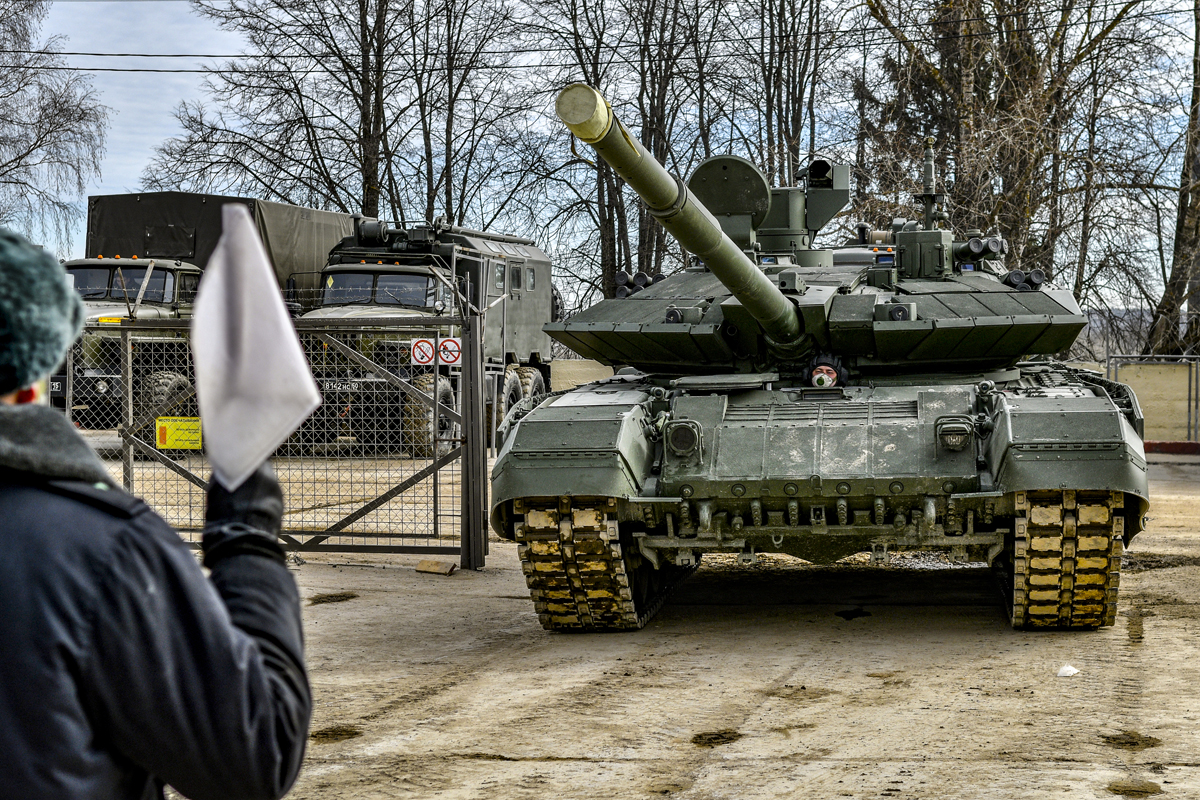
Among them, for example, is the T-90MS "Proryv" tank with improved protection against strike drones, anti-tank missile systems and portable grenade launchers.
The machine is maximally adapted to anti-tank threats, capable of repelling many attacks by new means of destruction. It is so repairable that tanks return to service several times without losing their combat qualities.
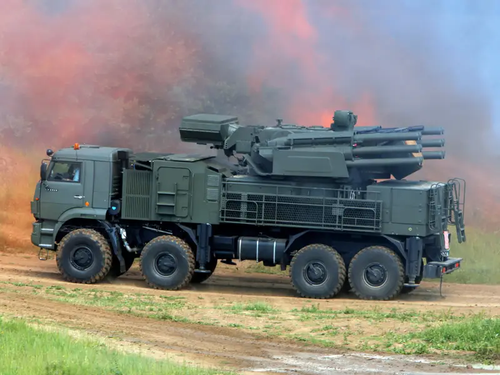
Also, the anti-aircraft missile system (SAM) "Pantsir-SMD-E" attracted a lot of attention, which can use mini-missiles and fight groups of drones.
At the moment, the vast majority of our types of products have been tested in combat operations. They have all proven highly effective, have been modernized and adapted to new tasks, conditions and threats. This is the advantage of our products.
Earlier www1.ru reported that a new Rodnik 3D radar was created for the military, but it is not able to detect small drones.
Read more materials:
Blinds tanks: the most important weapon of the "Terminator" revealed
Russian reconnaissance "Albatross" dodged ten attacks by an FPV interceptor
Never miss our newsAdd this site to your preferred sources to see us more oftenAdd on Google

















