The first DP2D diesel train is being tested at the VNIIRR experimental ring in Shcherbinka.
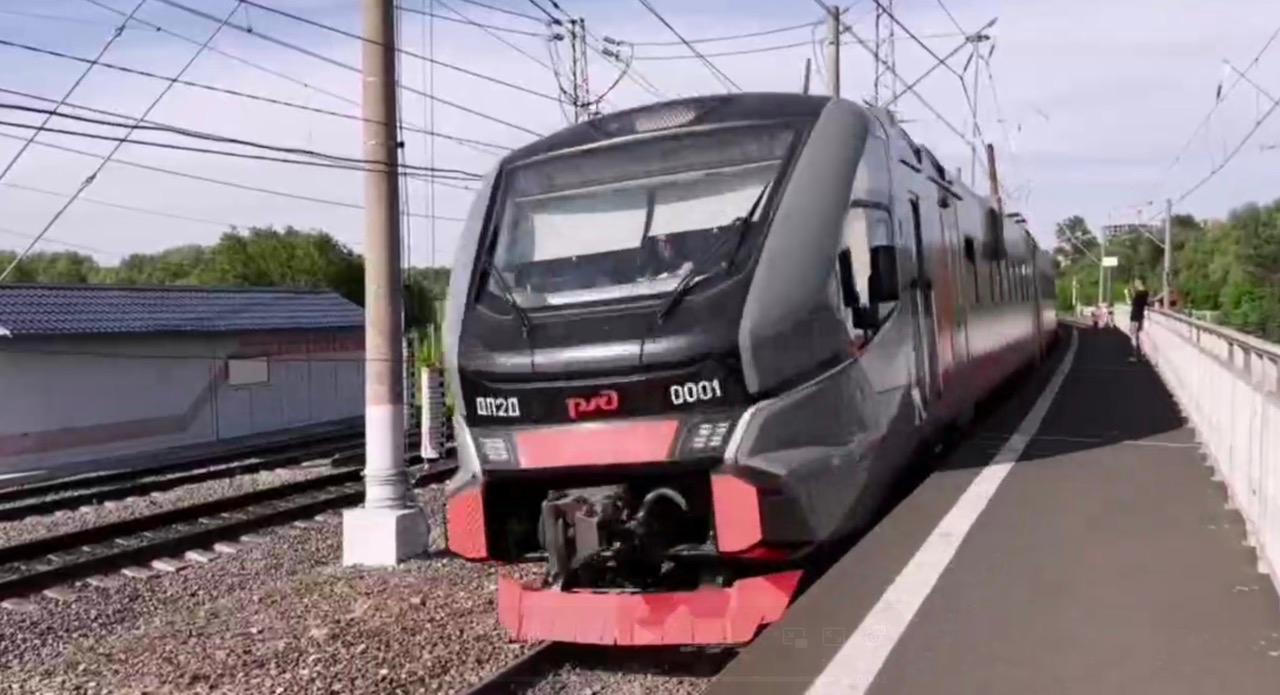
The new rolling stock is assembled according to the "push-pull" system and includes a TEP70BS diesel locomotive, as well as modernized electric train cars built at TMH plants. This engineering solution allows the train to move in any direction without the need to rearrange the locomotive, which significantly increases its maneuverability and ease of operation.
As part of the tests, the institute's specialists evaluate the train's braking, traction and energy, and electrical characteristics, check the heating level of the equipment, and also test the operation of the automatic driving system. One of the key stages is the run of the train along a ring with a length of 5000 km.
After completing the tests in Shcherbinka, the train will be sent to the Belorechenskaya - Maykop High-Speed Test Range, where the next stage of research will take place. The certification of the DP2D diesel train is scheduled for the end of 2025.
Read more on the topic:
KMZ repaired a diesel engine for a military ship of the Navy
TEP70BS diesel locomotive will undergo certification tests at the Kolomna plant
The first DP2D diesel train "left" for testing
Never miss our newsAdd this site to your preferred sources to see us more oftenAdd on Google














![Growth Point: After 5G Launch, Mobile Internet in Russia Accelerated by 20%","subtitle":"TelecomDaily recorded an upload speed increase of 19.7%, and download speed of almost 14%","announce":""}[]}],](https://media.ixbt.site/fit-in/320x/ixbt-data/1727896/ai-image-nvgq0a0v5cjnyxwoc8xpelva.webp)