For the first time in Russia, 29 structural elements for a high-speed railway line have been tested and certified. This was announced by Oleg Belozyorov, CEO of RZD, during an inspection of the "Uralskiye Lokomotivy" plant in Verkhnyaya Pyshma.
It's a complex project with 91 elements. We have already tested and certified 29, and 69 are currently undergoing testing; these are key elements.
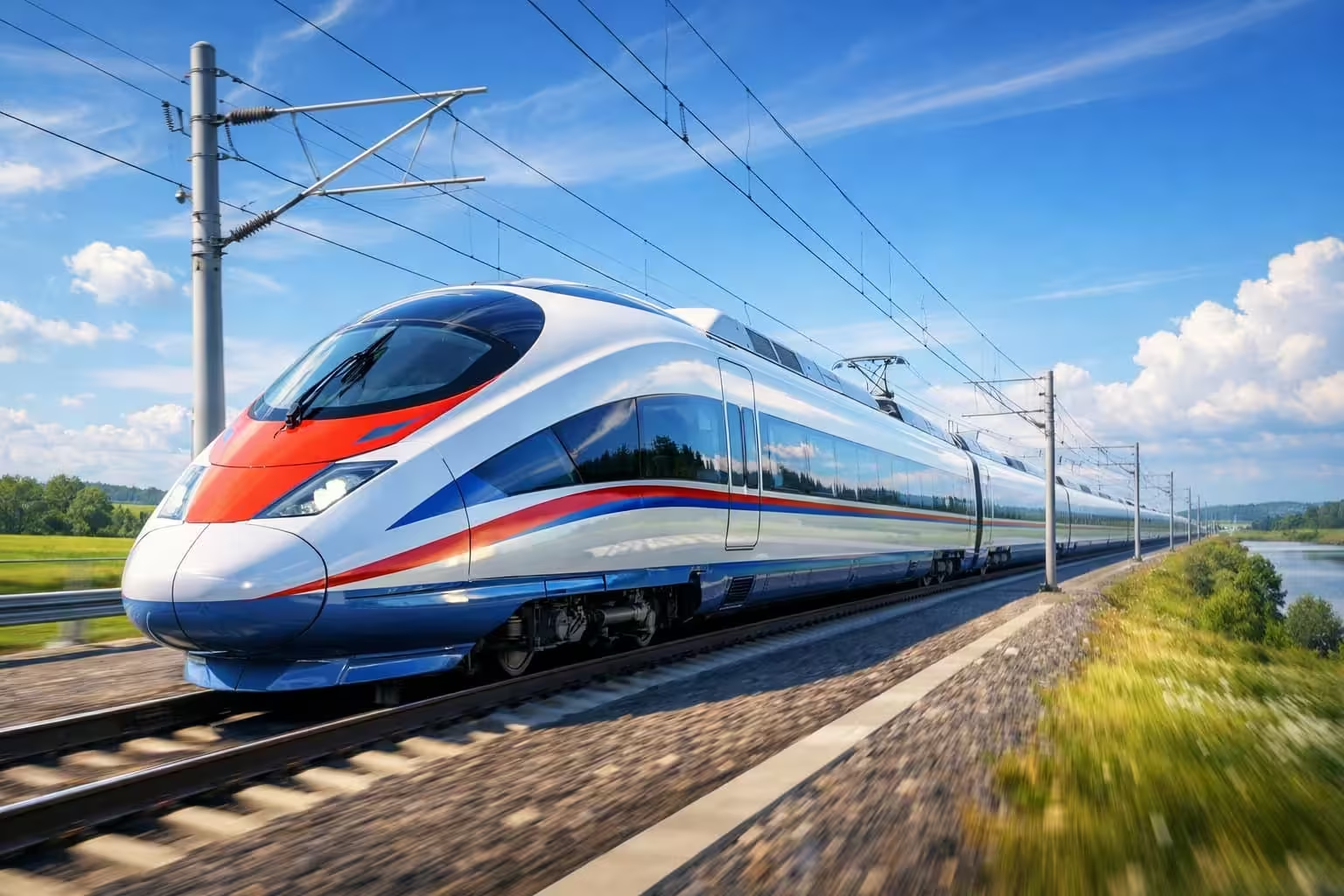
At the "Uralskiye Lokomotivy" plant, lines for welding and painting future trains have already been established. In parallel, safety systems, traction equipment, and track elements are being tested — everything that will ensure movement at speeds up to 400 km/h. Each certified component undergoes multi-stage verification: from laboratory tests to running tests at the proving ground.
The Moscow — St. Petersburg high-speed railway, approximately 700 km long, will pass through six constituent entities of the Russian Federation, where 30 million people live. It is expected that by 2030, annual passenger traffic will increase to 23 million people.
Design and construction are planned for 2024–2028, with commissioning in 2028. The project is being implemented on behalf of President Vladimir Putin as part of the national project "Effective Transport System."
Read more on the topic:
Never miss our newsAdd this site to your preferred sources to see us more oftenAdd on Google