Translated with AI from the Russian original.
The Ministry of Transport of Russia, together with manufacturers of unmanned vehicles and government bodies, is preparing a federal law that will establish a legal framework for the use of autonomous transport on the country's roads.
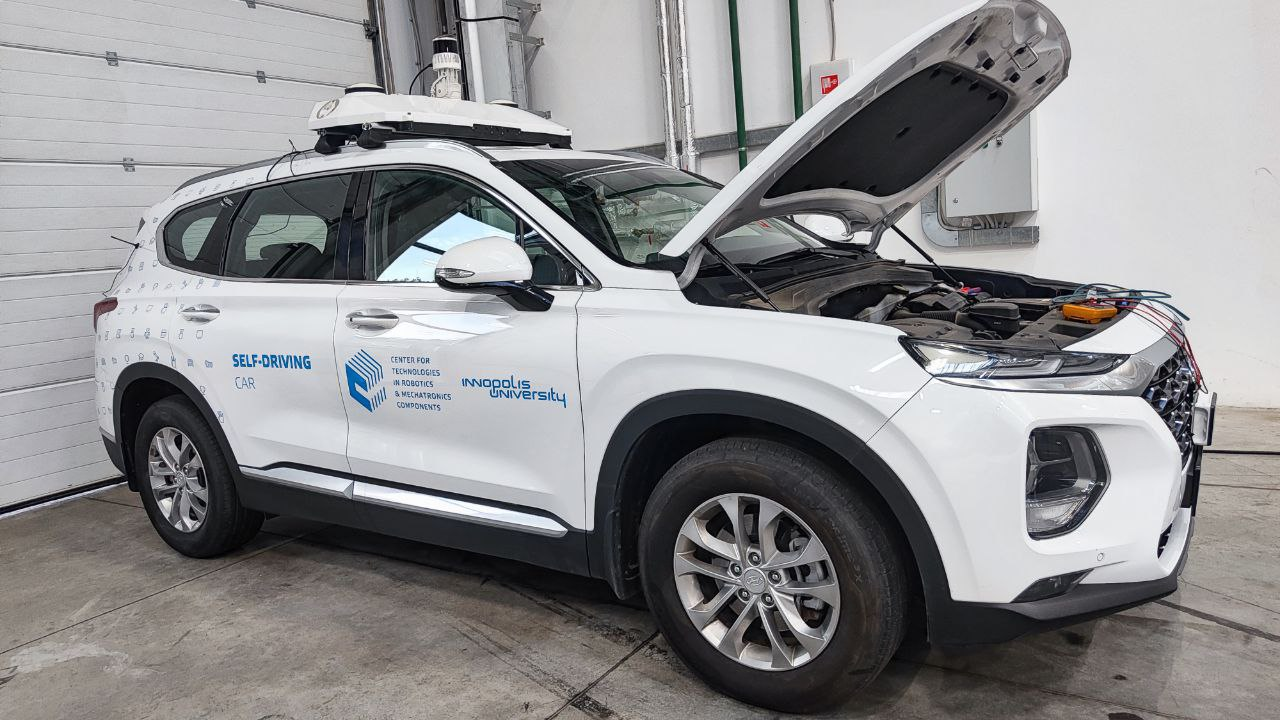
Currently, unmanned vehicles in Russia operate within the framework of experimental legal regimes (EPR). For example, 67 unmanned trucks are already running on the M-11 and TsKAD highways, which have traveled more than 9 million kilometers in total. These tests made it possible to collect data on safety, controllability and interaction with other road users.
The new bill will enshrine:
- Classificationof drones by levels of autonomy (from partial to full automation).
- Rights and obligations of manufacturers, including requirements for dispatching systems.
- Functions of the Drone Traffic Monitoring Center, which is being created on the basis of JSC "GLONASS". This center will be able to remotely stop the car in the event of cyberattacks or other threats.
According to Artem Yurenkov, Director of the Department of Digital Development of the Ministry of Transport, the introduction of drones will require the training of specialists - from programmers and testers to lawyers who will develop new legal norms.
In fact, a sub-sector of Transport Law is being born today: the legal regulation of unmanned vehicles. This creates a serious need for personnel, both programmers, testers, and lawyers who are ready to develop legal novelties so that legal regulation can keep pace with the technology, which in our country, thanks to the support of the Government, the current EPR, has the opportunity to actively develop.
After the adoption of the law, unmanned vehicles will be able to legally move on public roads, but their integration will require adaptation of infrastructure - for example, smart traffic lights and road markings recognized by AI.
Read more materials on the topic:
Without paperwork: The Ministry of Transport has launched a pilot project to digitalize grain transportation
The Ministry of Transport is preparing for the mass appearance of unmanned vehicles on Russian roads
Unmanned vehicles in Russia may enter public roads in 2027
Never miss our newsAdd this site to your preferred sources to see us more oftenAdd on Google

















