Translated with AI from the Russian original.
Chepetsky Mechanical Plant (ChMZ, part of Rosatom's Fuel Division) has broken the record for the production of special tubes for fuel rods (fuel element). In 2024, the company manufactured over 1 million zirconium cladding for nuclear fuel. This was reported by the state corporation's press service.
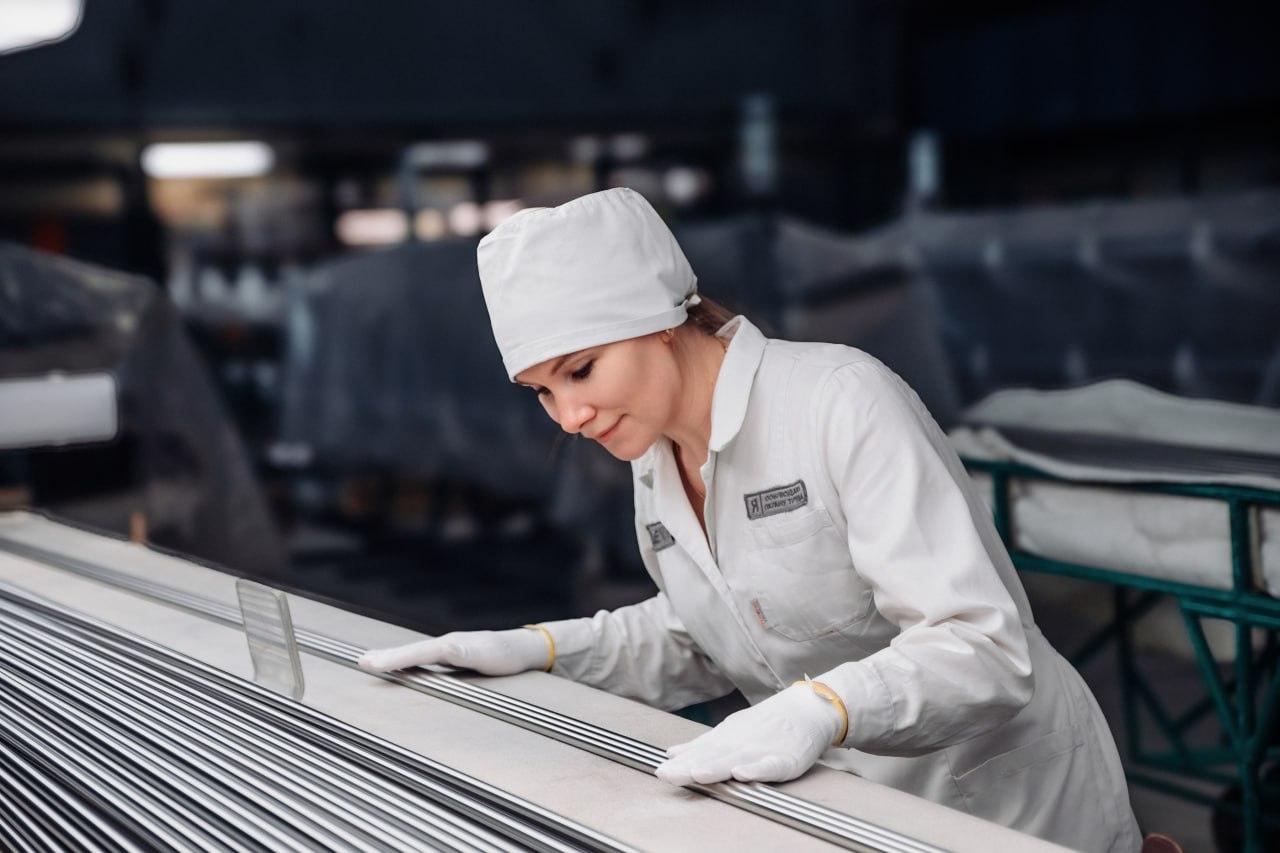
This volume of cladding tubes has been produced for the first time in the history of the enterprise. The increase in production was achieved as part of a large-scale production reconstruction program.
The modernization of ChMZ is associated with the high workload of the enterprise. This concerns the implementation of large Rosatom projects: the construction of the Akkuyu NPP in Turkey and the Kudankulam NPP in India.
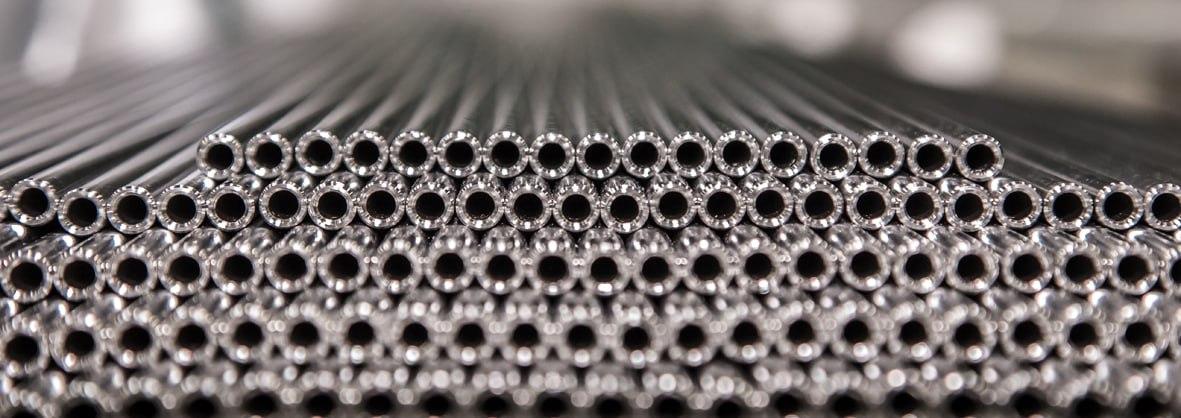
Chepetsky Plant is a key supplier of structural materials and components for the manufacture of nuclear fuel. Over the past 50 years, the company has produced 34 million fuel rod cladding with a total length of about 120,000 km. At the same time, one fuel assembly for a VVER-1000 reactor contains 312 fuel rods. 163 fuel assemblies (50,586 fuel rods) are required to operate the reactor.
Read more on the topic:
First Kilowatt-Hours in Turkey and Bangladesh: Rosatom Announces Objectives for 2025
Akkuyu NPP to be Launched in 2025
Rosatom Develops Biofabricator for Growing Human Tissues
Never miss our newsAdd this site to your preferred sources to see us more oftenAdd on Google

















