Scientists from Tomsk Polytechnic University (TPU) have proposed an innovative method for creating high-hardness metal matrix composites, which could find wide application in the aviation industry.
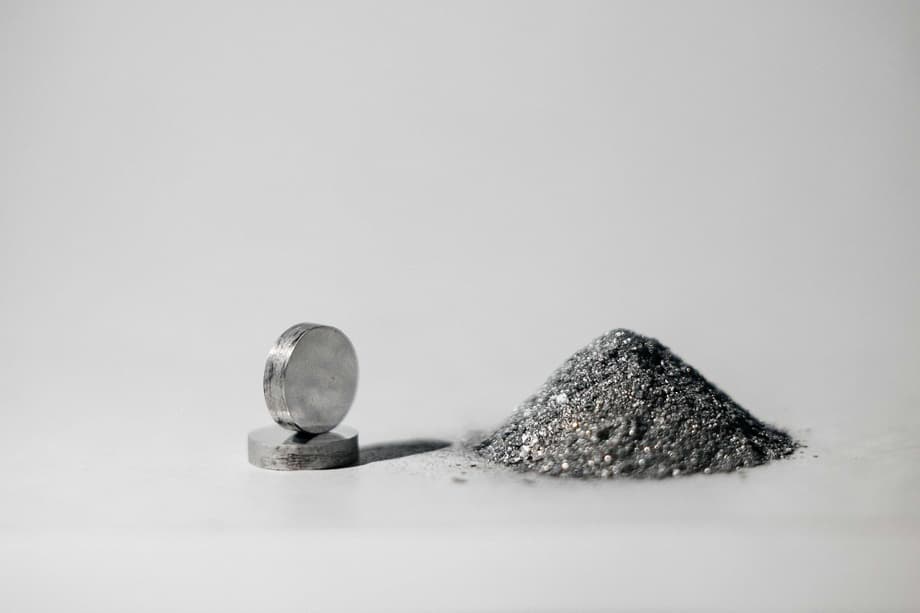
The new approach allows obtaining bulk composite materials with a metal matrix, which are characterized by high physical and mechanical properties. The main difference of this method lies in combining the metallic matrix material with a reinforcing ceramic component during their processing, which eliminates the formation of high porosity and recrystallization of samples. Tests have shown that composites created using this approach are four times harder than similar materials.
The use of composites with an aluminum matrix, in particular, for parts such as brake discs, pistons, as well as elements of aerospace technology - for example, wings and fuselages - opens up new possibilities for many applications in the automotive and aviation industries. These materials provide excellent ductility, corrosion resistance, high rigidity and strength, which is especially important for aerospace technologies, where materials must be lightweight and reliable.
A special feature of the method proposed by the scientists is the in situ combination of reinforcing particles, such as tungsten, silicon and boron carbides, with an aluminum matrix using plasma-dynamic synthesis. This process allows the reinforcing particles to integrate into the matrix structure without additional porosity and recrystallization, which is often found in traditional production methods. It is claimed that this approach promotes a uniform distribution of micro- and nano-sized carbide particles, which significantly improves the physical and mechanical properties of the final products.
As a result of applying the new approach, the physical and mechanical properties of the composites are significantly improved. The new materials have a high hardness, reaching a range from 103 to 215 HV, which is 4 times higher than the characteristics of similar materials made from commercially available components, whose hardness ranges from 47-62 HV. This allows creating more wear-resistant and durable components, which is especially important in aviation, where the reliability and durability of materials are critical.
The introduction of carbides into the aluminum matrix allows to significantly increase the compaction of components up to 99%, which also contributes to improving their strength and wear resistance. Thanks to such improvements, the proposed method can become the basis for creating new high-performance composite materials that will be in demand in the aviation and automotive industries, as well as in other areas where lightweight and durable materials are required.
Read materials on the topic:
Chelyabinsk scientists have created a superhard alloy with unique characteristics
Russia has developed a super-light aluminum-scandium alloy for civil vessels
Now on home

Start of deliveries scheduled for 2027

Over 51,000 new motorcycles were sold in Russia in 2025

The car will take at least a year to assemble

The application's audience has reached 20 million users

The model will be included in the list of cars for taxis, price - from 2.25 million rubles

All parking lots of the "Administrator of the Moscow Parking Space" are connected to the service

The cars will be supplied to the Moscow Transport Service Directorate

Deliveries to India may begin in 2028

The technology provides automated search for all types of defects in power units

The plane flew 500 km, accelerating to 425 km/h

The plant stated that the information about the termination of purchases for models 6 and 8 is not true

Scientists are using the "Ekran-M" installation