Translated with AI from the Russian original.
In April, Rostec completed state tests of shells with controlled detonation and a remote control complex for the time of their detonation for the BMPT Terminator. This news caused a stir in the West. Military observer Sergei Ptichkin explained the advantage of such shells compared to traditional ammunition.
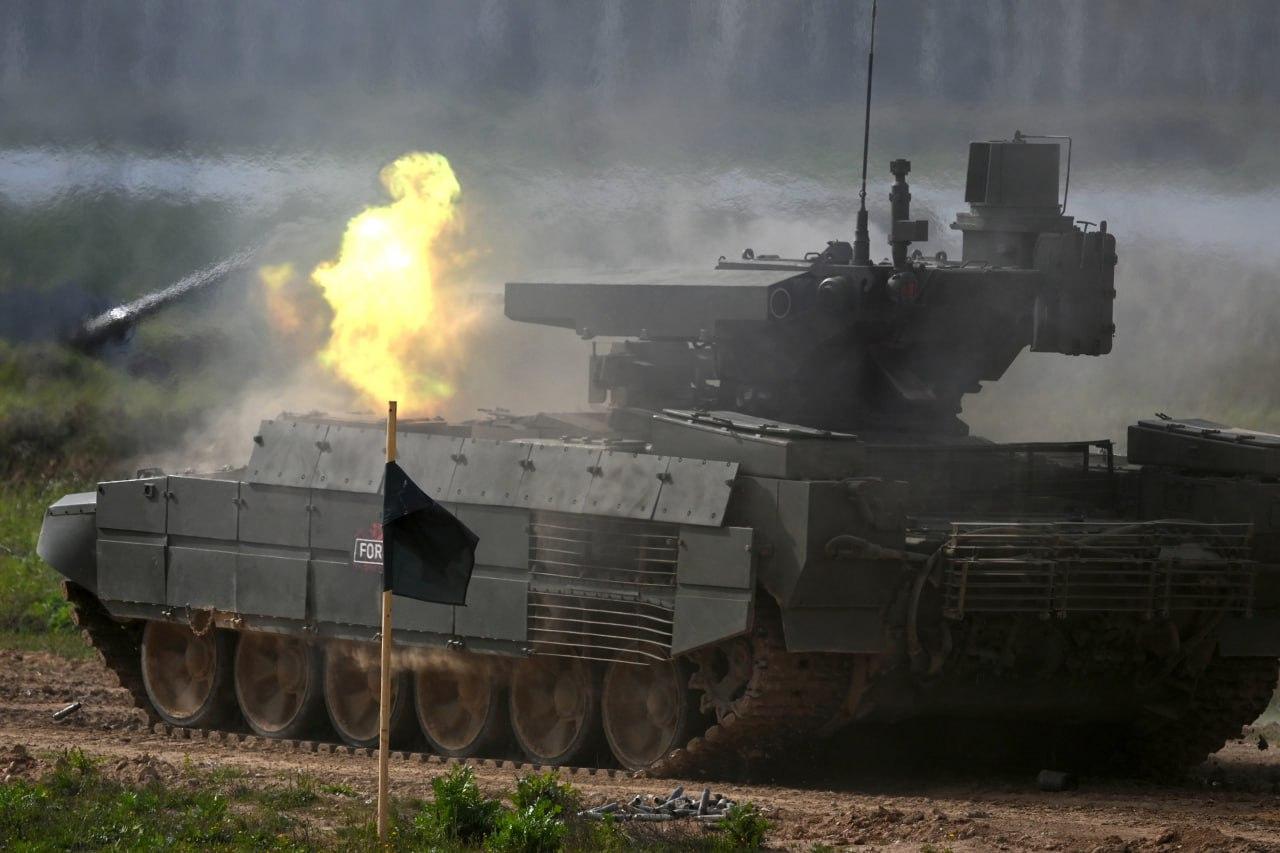
Russian soldiers have been waiting for ammunition with controlled remote detonation for a long time.
One shot towards an enemy drone, detonation of the shell at a point determined by the guidance system — and thousands of darts flying in a steel cloud at tremendous speed will leave no chance for the smallest and most agile FPV drone.
Development of shells with a programmable remote detonator in the West
In the late nineties, 35-mm shells with a remote detonator from Oerlikon Contraves entered service with NATO member countries. Thanks to the ammunition, the firepower of Erlikon anti-aircraft guns increased.
Ptichkin emphasized that there are more than 150 striking elements in one 35-mm shell. That is, a swarm of darts rushes towards the target at a speed of more than 1000 m/s. The developer stated that the ammunition is effective against medium-sized UAVs.
What is in Russia
In 2023, a Russian 23-mm canister shell with programmable remote detonation was presented at the Army forum. Inside it, presumably, there are up to 100 striking elements. The shell was created for the ZU-23-2 anti-aircraft gun. Such guns are widely used by the Russian military in combat operations. According to Ptichkin, ammunition for the ZU-23-2 should enter the troops in 2024.
The observer added that Russian artillerymen propose to return large-caliber shrapnel ammunition. Such ammunition is in the arsenal of Russia, including 100-mm 3Sh5, 115-mm 3Sh6, 122-mm shells 3Sh1 and others. With remotely programmable detonators, they would be very effective, Ptichkin concluded.
Never miss our newsAdd this site to your preferred sources to see us more oftenAdd on Google

















