Translated with AI from the Russian original.
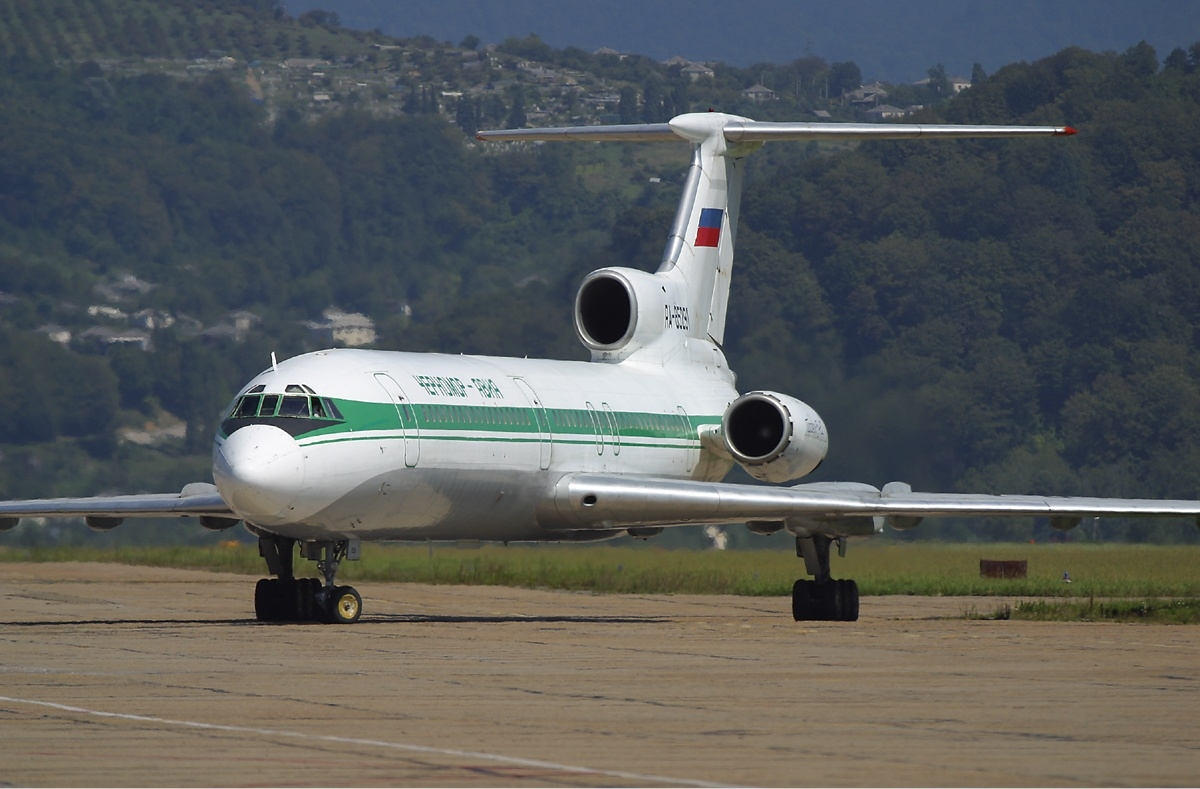
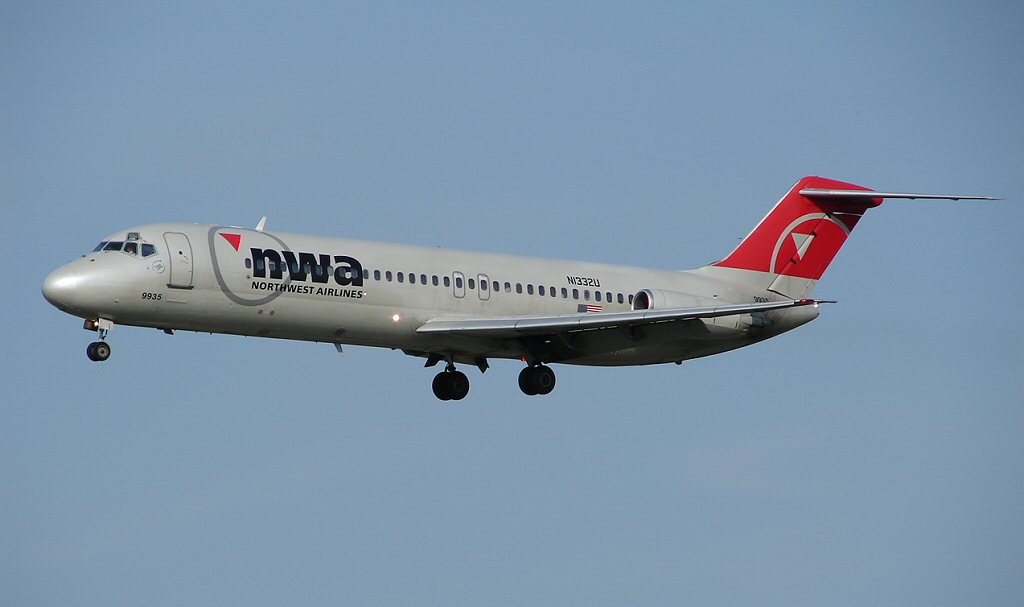
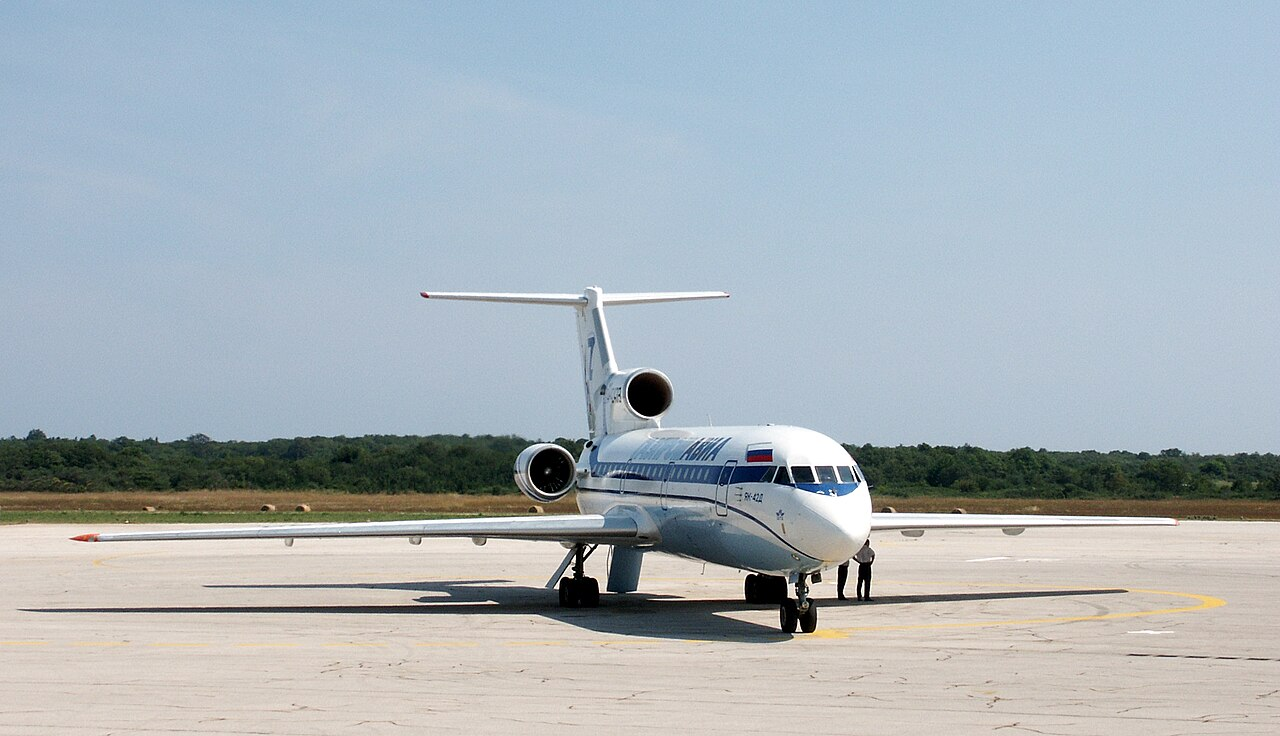
In the 1960s-1980s, the tail-mounted engine configuration was considered the standard for many passenger airliners. Aircraft such as the Tu-154, DC-9, Yak-42, and even early Boeing 727 models actively used this layout — and did so for perfectly sound reasons. However, by the beginning of the 21st century, this type of architecture had almost disappeared from civil aviation. Why did this happen?
Structural complexity and center of gravity
One of the key reasons for abandoning the tail-mounted configuration was structural limitations. Placing engines in the rear section of the fuselage requires significant reinforcement of the entire aft section of the aircraft. This not only increases the weight of the structure, but also shifts the center of gravity backward, making it more difficult to balance the aircraft at all stages of flight — from takeoff to landing.
Moreover, this layout almost inevitably leads to the use of a T-tail. Although it allows the engines to be positioned higher above the ground and improves aerodynamic cleanliness, it creates serious risks during a stall. In critical conditions, the airflow ceases to effectively wash over the elevators, which can lead to a loss of control — a factor that modern safety standards consider unacceptable.
Operating costs
From an operational standpoint, tail-mounted engines also proved less advantageous. Access to the engines for maintenance is more difficult, especially at large airfields where ground equipment is designed to work with underwing engines. Routing fuel lines through the entire fuselage increases the weight and complexity of the system, and in the event of a fire, the engine is closer to the passenger cabin, increasing safety risks.
However, the decisive factor was the physical growth in engine size. Modern highly efficient turbofan engines have enormous fan diameters — sometimes more than three meters. Placing such units in the tail section of the fuselage became technically impossible without radically redesigning the entire structure. Under the wing, however, there is not only room for them, but also an aerodynamic advantage: the wing partially dampens noise, and the engines are cooled better by the oncoming airflow.
Not a mistake, but evolution
The tail-mounted configuration was never a mistake — it simply ceased to correspond to new realities. Growing requirements for fuel efficiency, safety, maintenance costs, and environmental performance made the underwing engine arrangement the optimal solution for most modern passenger aircraft. Exceptions remain only in niche segments — for example, some regional business jets, where compactness and short takeoff are more important than other factors.
Thus, the disappearance of tail-mounted engines from civil aviation is not a failure of engineering thought, but a logical stage of technological evolution.
Read more materials on the topic:
- Russia will need up to 10 years for full import substitution of its civil aircraft fleet
- To wait for new aircraft: old Tu-204s, Il-96s, and Boeing 747s are returning to service
- Checked down to the micron: ODK engineers explained how aircraft engines are tested before release
Never miss our newsAdd this site to your preferred sources to see us more oftenAdd on Google

















