Translated with AI from the Russian original.
Last year, motorists submitted more than 760 thousand applications to process accidents via the Europrotocol without the involvement of the traffic police. Thus, more than 40% of accidents were processed using this tool. Experts believe that the low popularity of the Europrotocol is linked to a number of factors.
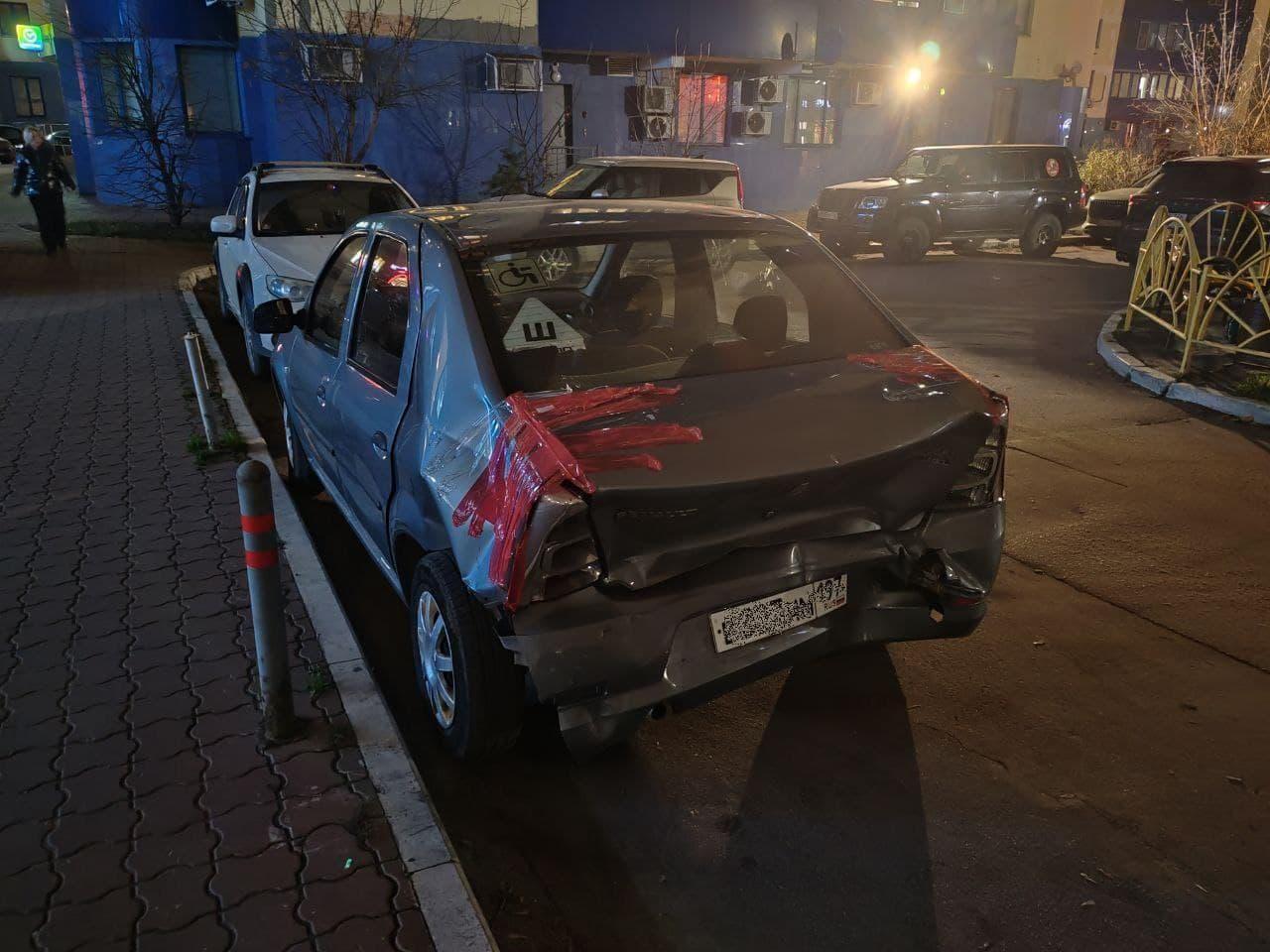
Why the Europrotocol Is Unpopular
Having a comprehensive insurance policy forces motorists to wait for inspectors in order to obtain the necessary documents. In addition, drivers have a low level of trust in the Europrotocol. Another factor is fraudsters who, using the simplified processing procedure, stage fake accidents in order to receive money from insurance companies.
In the first 11 months of 2025, Russian drivers submitted 761.7 thousand applications for accident settlement under the Europrotocol. This is 10 thousand fewer than in 2024. The share of such applications among all OSAGO claims rose to 41%, which is 1.5% higher than last year. Regional differences in the use of the Europrotocol are significant. In Primorsky Krai, this figure reached 71.1%, whereas in Kamchatka it is only 8.4%.
If a car owner recognized as the injured party files an accident via the Europrotocol, they can receive compensation for damage of up to 400 thousand rubles if there are no disagreements. In the event of disagreements, the limit is reduced to 200 thousand rubles. If there are no photos of the accident, the payout amounts to only 100 thousand rubles, and in the event of disagreements and the absence of photos, no payouts are made. The Europrotocol is unavailable if more than two vehicles were involved in the accident or if one of the drivers has no insurance policy.
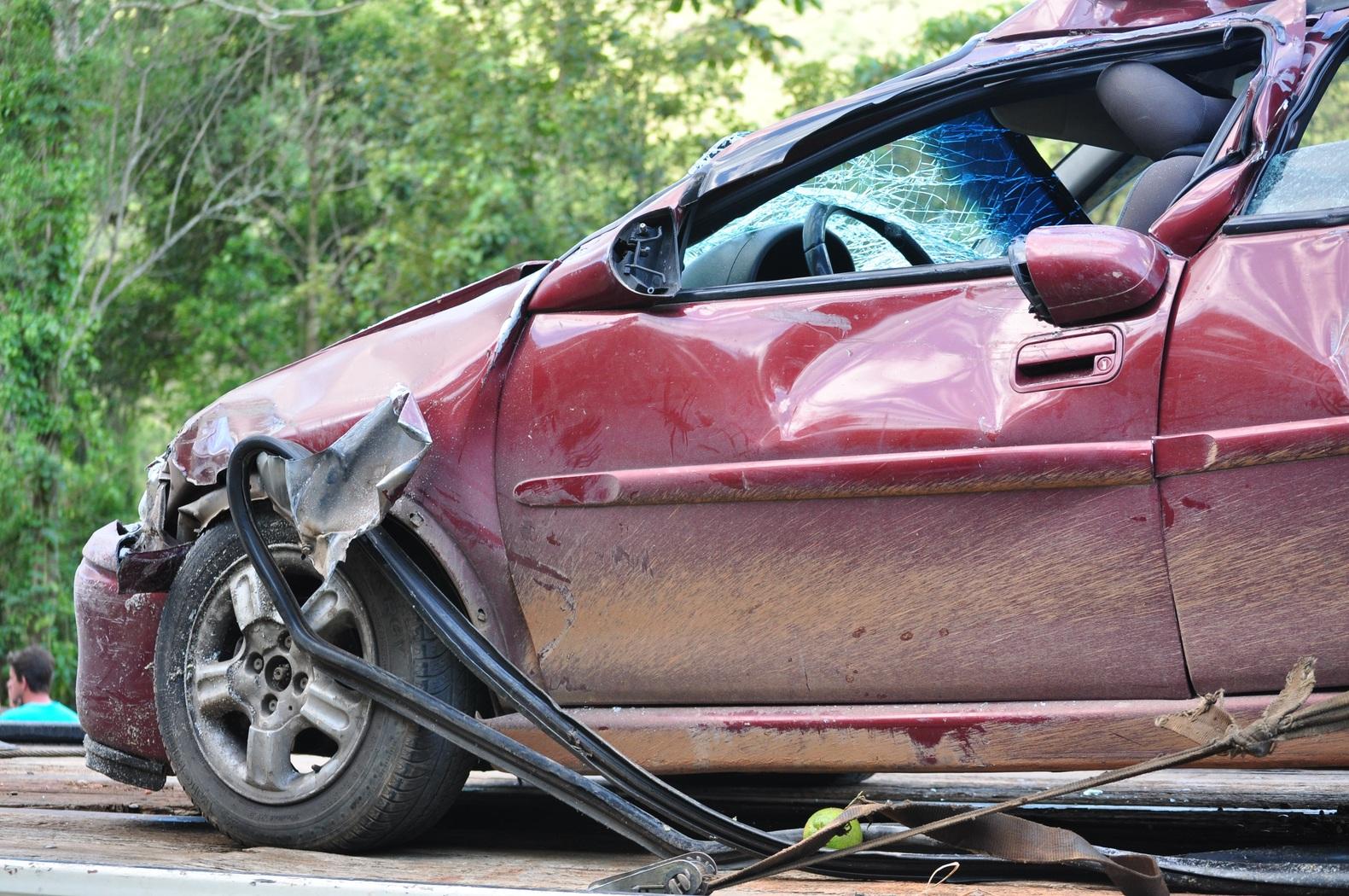
Forecasts and Growing Obstacles
Experts believe that the share of accidents processed without the traffic police is unlikely to exceed 50% in the coming years. Petr Shkumatov, head of the "Protection of Motorists' Rights" working group at the Popular Front, points to many constraining factors. For example, 20% of drivers have comprehensive insurance policies, which requires documents to be processed through inspectors. In 10% of cases, the amount of damage exceeds 400 thousand rubles. In addition, 6-7% of drivers drive without OSAGO, which makes the Europrotocol inapplicable in the event of an accident involving them.
Anton Shaparin, vice president of the National Automobile Union, notes that drivers are afraid of being left without payouts because of minor mistakes in Europrotocol documents and therefore prefer to wait for inspectors.
Many still believe that the Europrotocol is a tool of deception, and that the likelihood of being left without a payout is extremely high because of the slightest mistake in the documents. Due to the low level of trust in the system, many prefer to wait for inspectors.
Another problem is also posed by emergency commissioners, who offer victims money on the spot by concluding an assignment agreement and a power of attorney with the car owner, allowing them to represent the victim's rights in court. Assignment is a legal transaction involving the transfer of claim rights from one person to another.
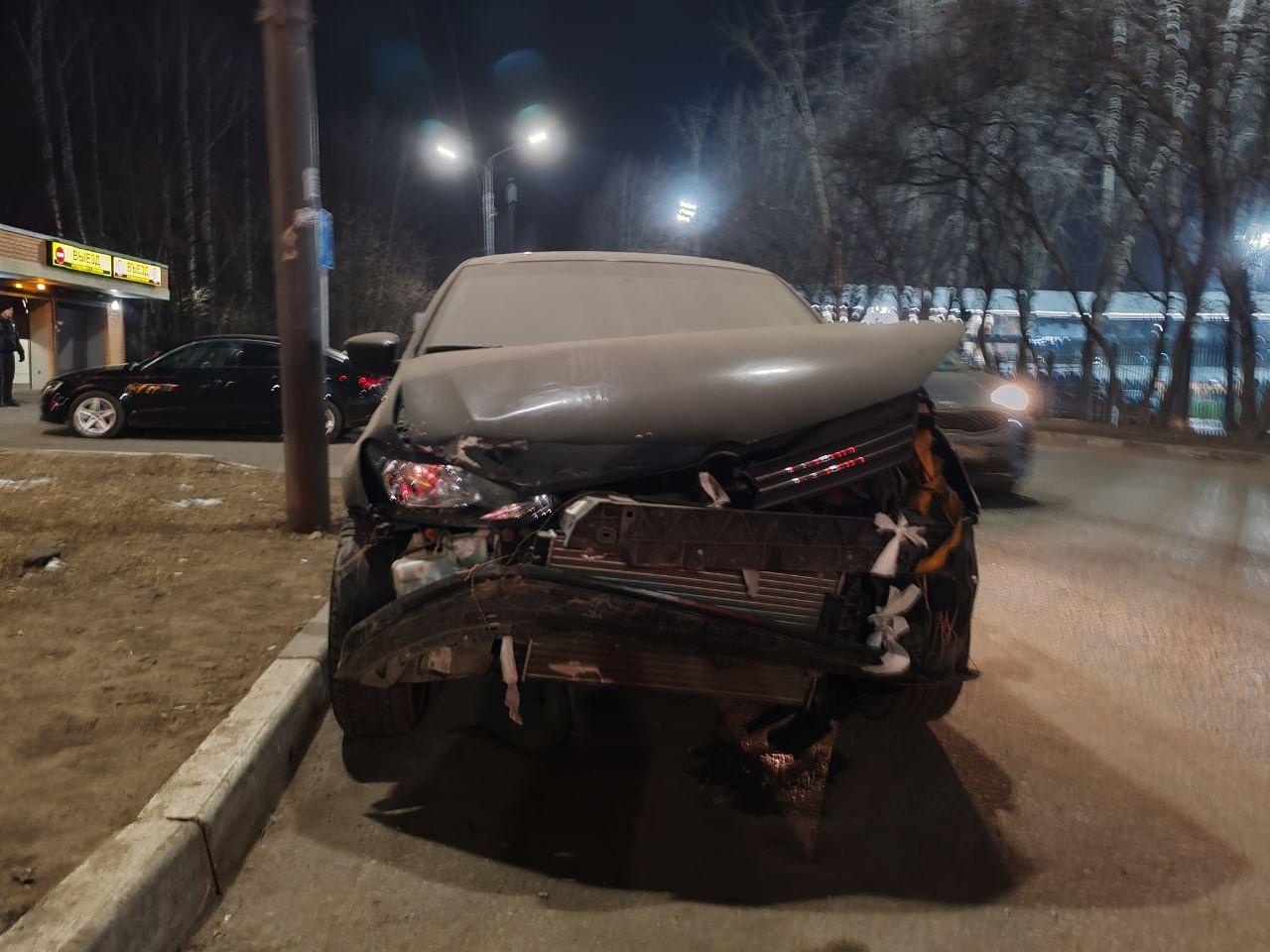
New Fraud Schemes Involving the Europrotocol
Sergey Efremov, Director for Asset Protection at RSA, speaks about a new type of fraud that became widespread over the past year. Fraudsters stage accidents involving two cars, one of which is covered by a "multidrive" policy, that is, a policy without a limit on the number of drivers. The accident notice is filed with a fictitious driver, and the insurance company cannot verify this. Photos are taken through a mobile application, allowing the offender to receive a payout of up to 400 thousand rubles. Fraudsters are especially active in Primorsky Krai and Novosibirsk Oblast, and to combat these schemes RSA is preparing amendments to the law on OSAGO.
Read More Materials on the Topic:
- Russians Have Been Getting Into Road Accidents Less Often
- How a Driver Can Be Punished for an Accident on Summer Tires in Winter
- How to Recover Damages From the At-Fault Driver Without OSAGO
Never miss our newsAdd this site to your preferred sources to see us more oftenAdd on Google

















