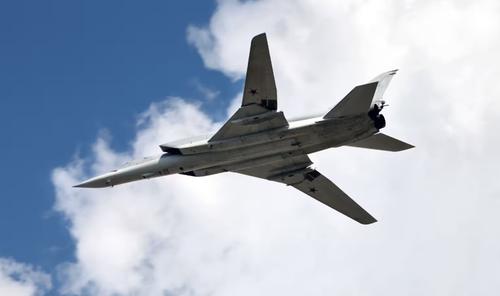
The Tu-22M3 remains a key long-range bomber in the arsenal of the Russian Aerospace Forces (VKS), but restoring mass production of the aircraft faces systemic obstacles, from the lack of serial engines and airframes to shortages of components and personnel. Read about it in"First Technical" article.
Production Halted
Serial assembly of the Tu-22M3 was completed in the mid-1990s. New airframes are no longer produced, so any bombers are assembled either from remaining stocks or by modernizing old aircraft. The industry lacks a mass production line, which is the main economic and technical problem.
Engines and Key Components
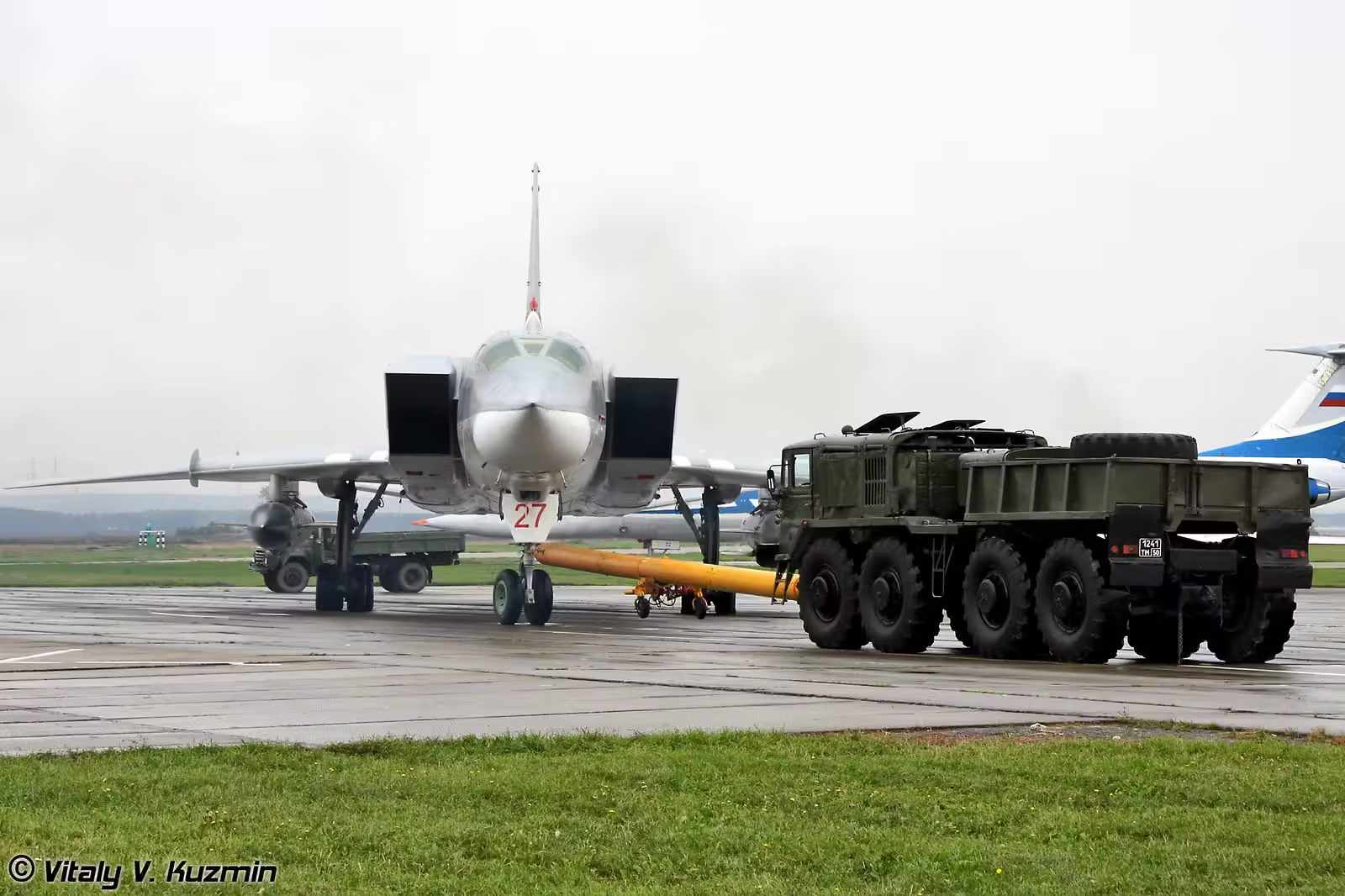
The main bottleneck is the NK series turbofan engines. Their serial production effectively stopped in the 1990s.
Restoring mass production is complicated by a shortage of technical facilities and components, as well as irregular government orders. Small batches make production expensive and lengthy. Defects and incidents in recent years further highlight the vulnerability of the supply chain.
Sanctions and Import Substitution
The departure of foreign suppliers and sanctions have limited access to important electronic components and materials. Manufacturers are forced to use outdated solutions or engage in time-consuming import substitution, which slows down repairs and modernizations. These restrictions also affect other strategic aircraft.
Personnel, Repair, and Disposal
A shortage of qualified engineers and workers, as well as wear and tear and losses of aircraft in the theater of operations, lead to "cannibalization" of the fleet. Aircraft are disassembled for spare parts to maintain the airworthiness of others. This makes restoring the number of aircraft even less likely.
Armament Restrictions
Even with an airframe and engine, the problem of aging missiles and control systems remains. Combining old airframes with new systems requires coordination from multiple suppliers and lengthy modernization.
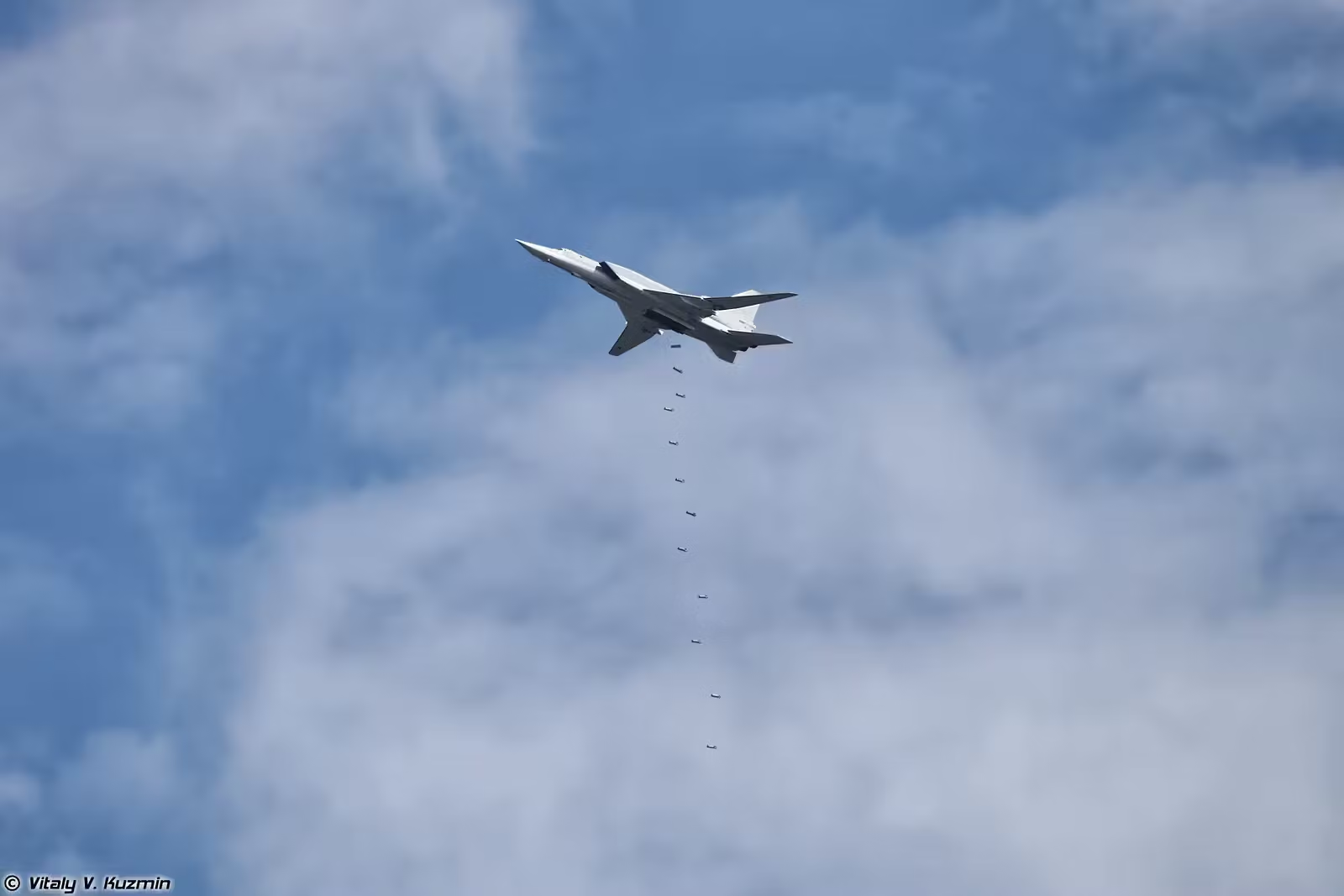
Mass production and restoration of the Tu-22M3 are hampered by a combination of problems: the absence of serial airframes, a shortage and defects in engines, sanctions and limited supplies of components, personnel and organizational difficulties. Without a systemic industrial program-large-scale orders, investment in engine production, and stable logistics-a quick "reboot" of the line is impossible.
Earlier,www1.ru reported thatthe cost of one Iskander-M missile has become known.
Read more materials:
Never miss our newsAdd this site to your preferred sources to see us more oftenAdd on Google

















