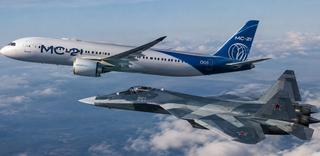
The Russian MC-21-310 surpasses the Chinese C919 in a number of technical parameters, according to aviation experts interviewed by BFM. According to their assessment, the Russian airliner has a wider cabin, higher capacity, and a unique composite wing that reduces weight and improves aerodynamics. However, in terms of certification pace and readiness for operation, the Chinese competitor is currently ahead.
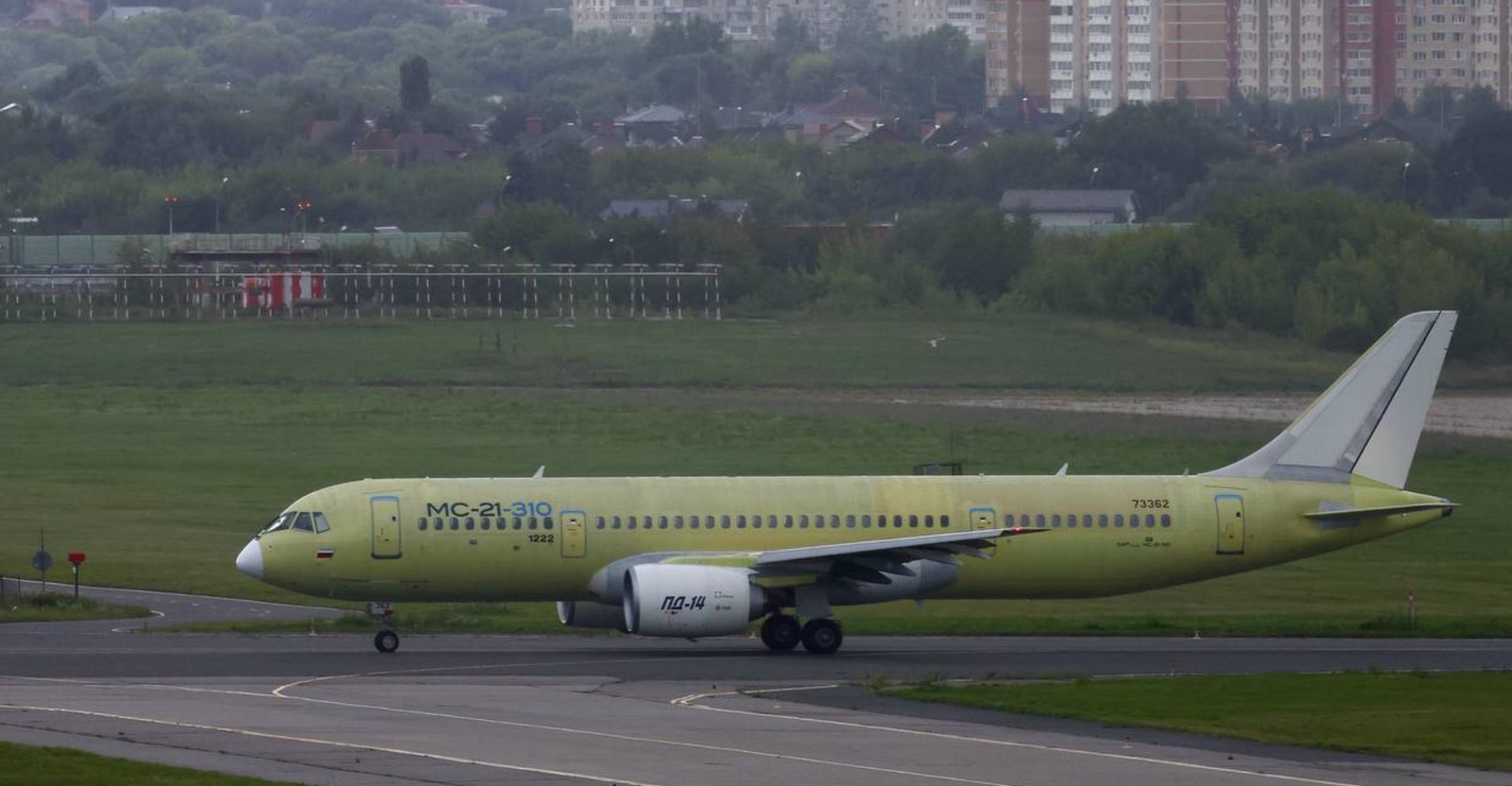
The first production import-substituted MC-21-310 made a non-stop flight from Irkutsk to Zhukovsky, covering more than 4 thousand km. The flight lasted 5 hours 50 minutes at an altitude of 12 km and a speed of up to 850 km/h. At the same time, the Chinese C919 of Air China completed its first international flight from Beijing to Ulaanbaatar.
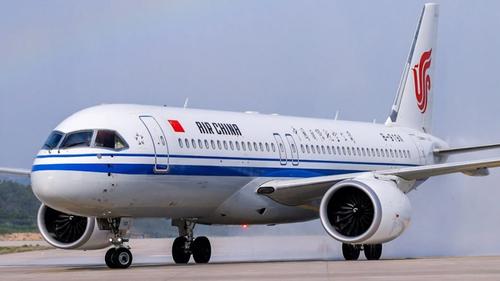
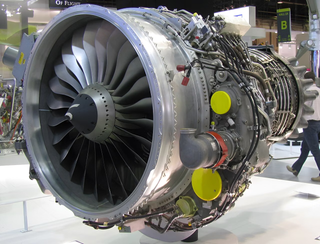
The main difference is import substitution. The MC-21-310 is equipped with domestic avionics and the PD-14 engine. The C919 consists of 60% imported components, including Franco-American CFM LEAP-1C engines and American avionics. In 2020, the United States banned the supply of engines for the C919, then allowed it, but China began developing its own engine. However, its characteristics are still modest.
According to Andrey Patrakov, founder of Runavia service, the C919 will require validation to enter the European market, which could drag on until 2031. If China can fully import-substitute components, the aircraft will become available in Russia. The Chinese aviation industry could potentially repeat the success of the automotive industry, but the path will be long. Unlike Russia, China has a capacious domestic market, allowing it to recoup development costs.
Ilya Shatilin, editor-in-chief of FrequentFlyers ru, recalled the fate of the joint CR929 project: after 2022, Beijing excluded Russia from the program, and work on the C929 stalled. Currently, China does not have its own engine even for the C919, let alone for the C929.
According to experts, the main problem for the MC-21 is scaling up production: assembly lines require Western equipment, and its procurement and support are questionable. China has the necessary machines, albeit not the most modern ones. Certification of the import-substituted version of the MC-21 is scheduled for the end of 2026. The Chinese C919 has already won on time, but is inferior to its Russian competitor in terms of technology.
We have already discussed in detail the MC-21-310 and its place among competitors. The review of the liner's characteristics and prospects describes key technical parameters: fuselage width of 4.06 m, capacity up to 211 seats, range up to 5100 km, and PD-14 engines — the first domestic aircraft engine to receive certification in the last 30 years. Aviation expert Oleg Panteleev previously stated that the basic version of the MC-21-310 better meets market expectations than the basic models of the Boeing 737 MAX, Airbus A320neo, and C919 — primarily due to the widest fuselage in its class and a high level of automation.
Read more on the topic:
Never miss our newsAdd this site to your preferred sources to see us more oftenAdd on Google