Translated with AI from the Russian original.
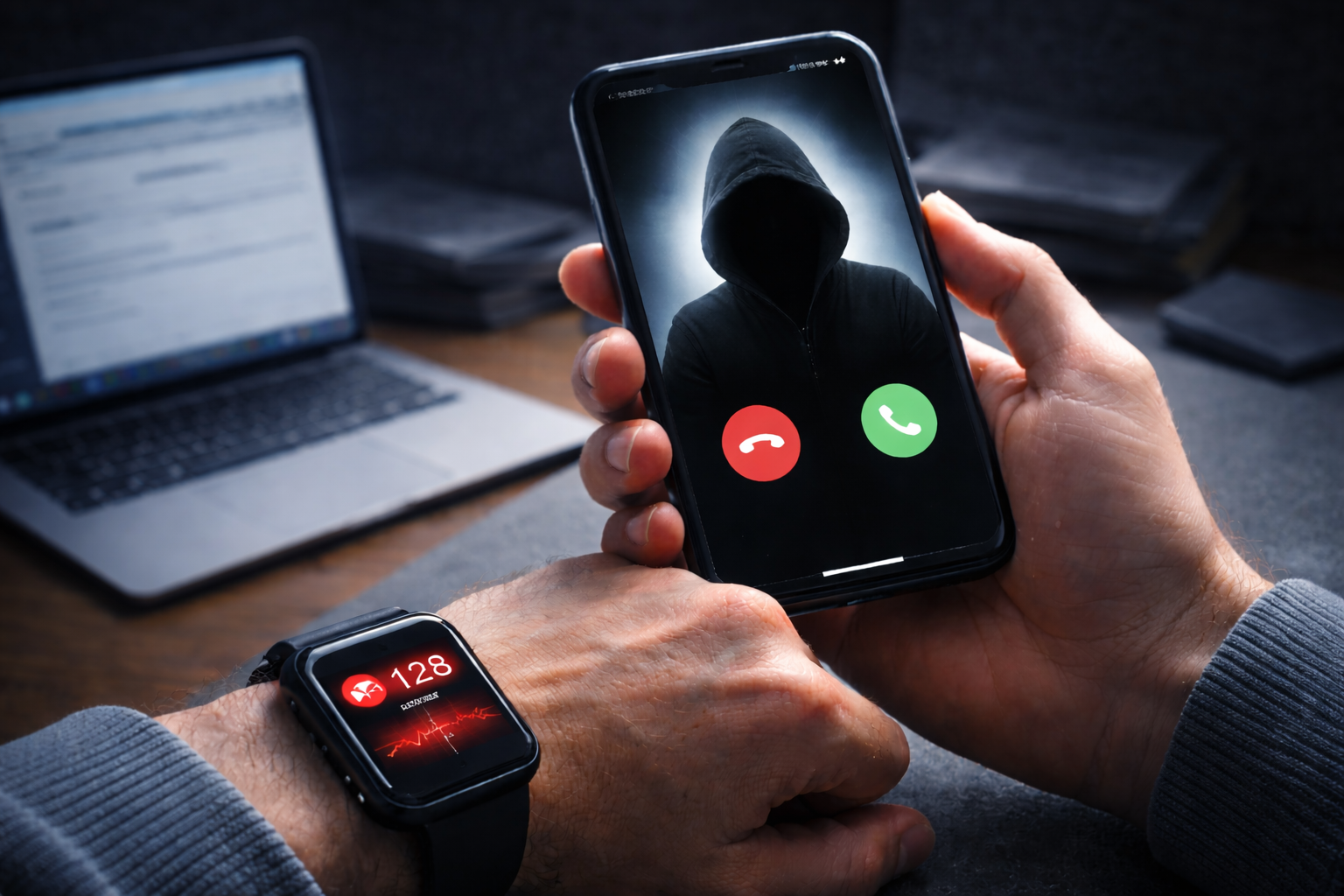
Moscow scientists have created a neural network that can understand that a person is talking to phone scammers — even before they give away money. It tracks emotions and physiological reactions and identifies the dangerous moment with high accuracy.
Why a new technology was needed
On average, about a million Russians become victims of phone scammers every year. The attackers put pressure on emotions: they cause fear, sadness, or disgust, rush, threaten, and claim that there is no time to think. As a result, some people lose the ability to soberly assess the situation and control their actions.
Previously, methods have been developed to detect fraud by analyzing brain activity. However, such approaches require electroencephalography data, which is difficult to collect and use in everyday life.
Therefore, scientists from RTU MIREA and the Central Economics and Mathematics Institute of the Russian Academy of Sciences focused on more accessible indicators — biological signals of stress. These include heart rate, heart rate variability, and increased blood pressure.
How the neural network was trained
The researchers linked physiological indicators to emotions that arise in response to the actions of scammers — for example, an attempt to intimidate or a sharp message about possible losses.
Data from 16 participants aged 19 to 24 years was used for training. They were shown five types of video clips that evoked joy, sadness, fear, disgust, or a neutral reaction. The neural network recorded biomarkers and learned to recognize them.
Additionally, the model was trained on stress tests and encephalogram data, forming a temporary trajectory of the probability of emotions.
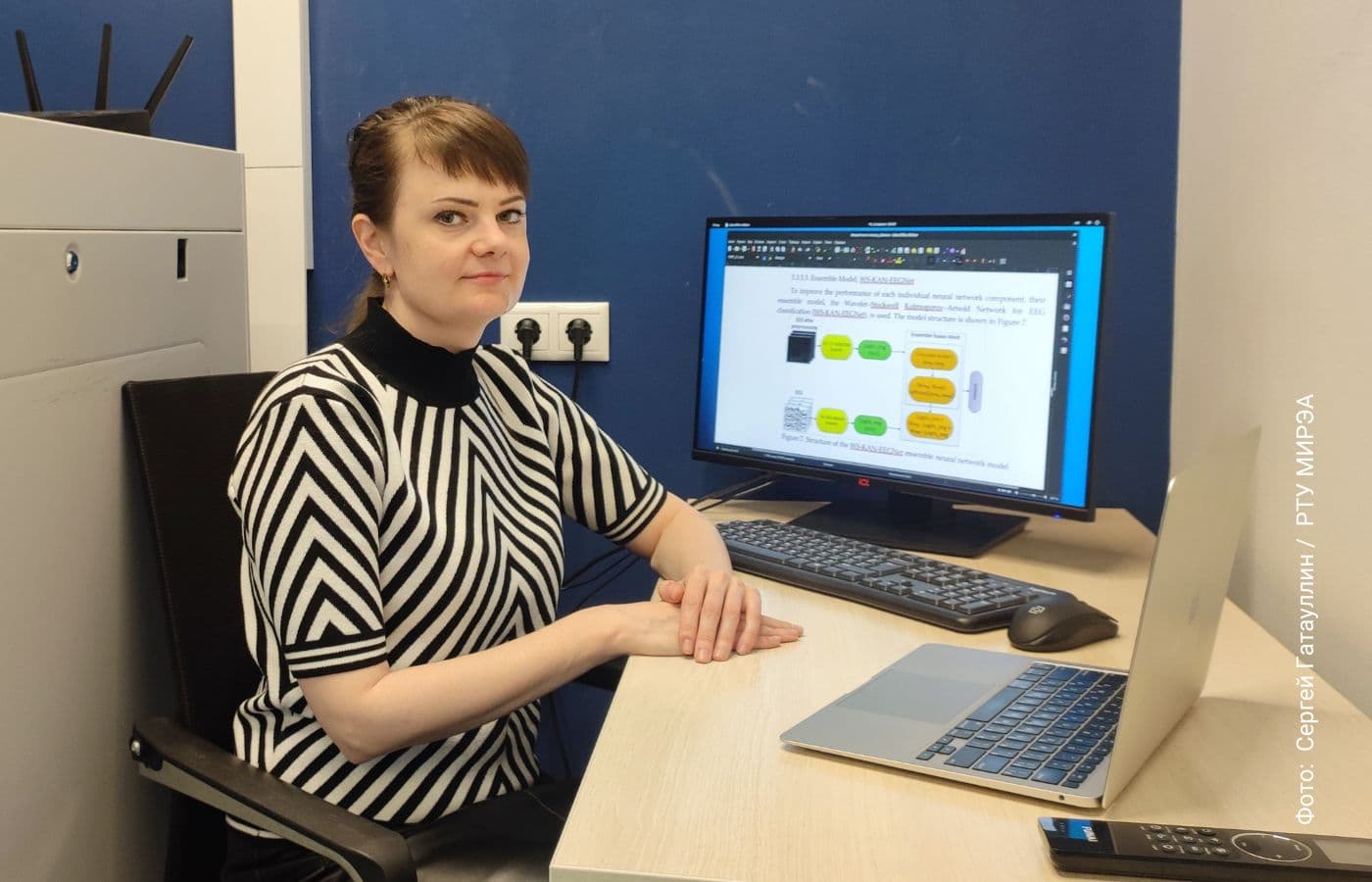
To improve accuracy, scientists combined several mathematical methods. In one part of the model, the Kolmogorov—Arnold architecture was used, which allows decomposing data into smaller elements, and in another, a special filter for separating different types of information.
The use of this architecture increased the accuracy of the algorithm by 3–5% compared to standard components of convolutional neural networks. Testing on additional data showed that the model determines the emotional state with an accuracy of about 90%.
How this will help in real life
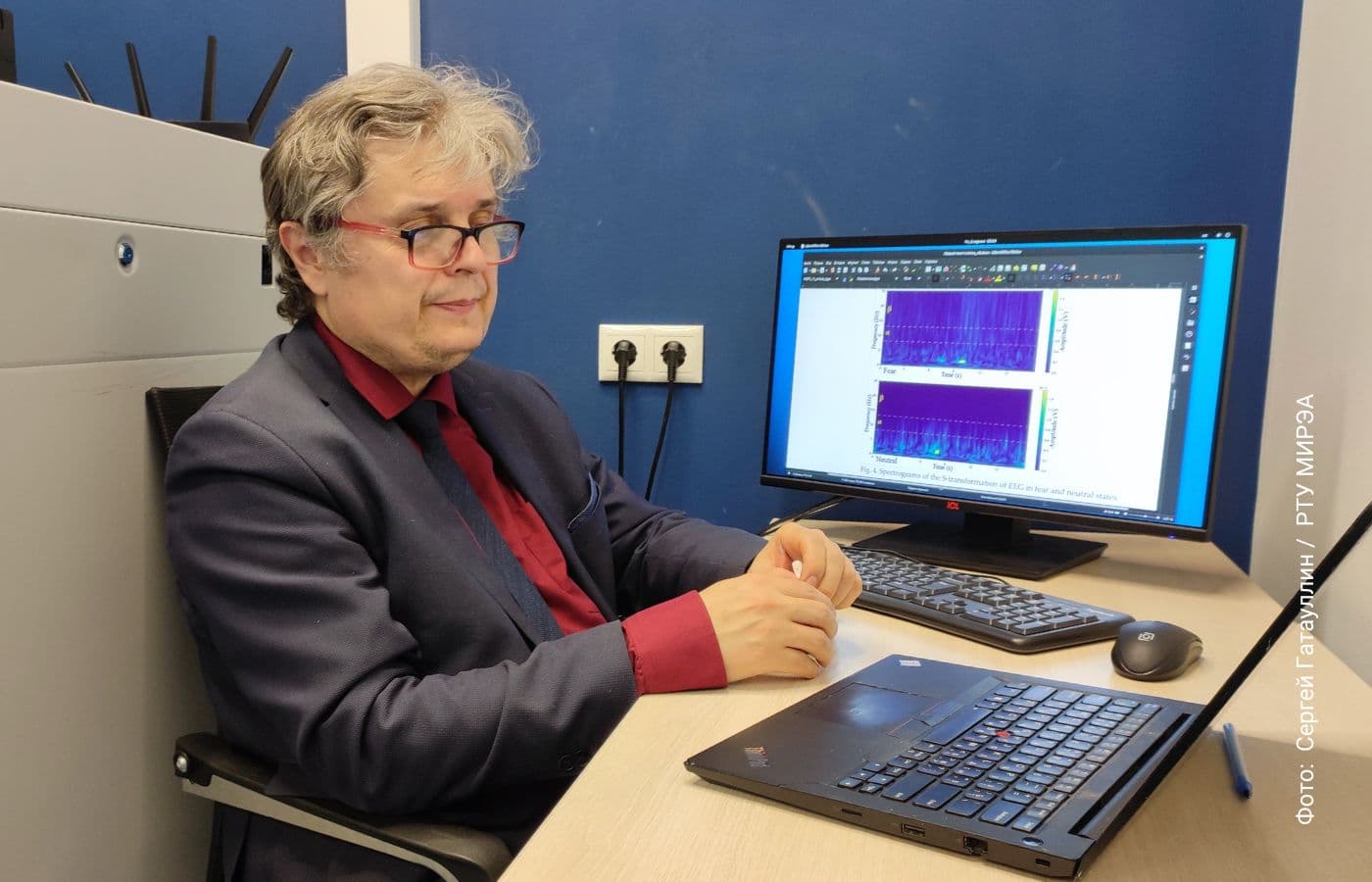
During a stress test, the system builds a time graph of emotions. The period of sustained fear corresponds to the moment of maximum vulnerability to scammers.
At such moments, it is important to pause, check the information through independent sources, and not make impulsive decisions.
The technology is planned to be integrated into wearable devices — smart watches and fitness bracelets. This will allow real-time analysis of biomedical signals and warn the user about the risk of fraud.
In the future, researchers plan to expand data sets, including different age groups, and link reactions to fraud with biomedical signals.
The combination of emotion analysis with speech processing is also being considered — to take into account not only the state of the person, but also what exactly the scammers are saying.
The results of the study, supported by a grant from the Russian Science Foundation, are published in the journal Technologies.
Read more on the topic:
- Stress can now be measured directly through the skin: scientists from ISP SB RAS have created a sensor that tracks a person's condition in real time
- When the Earth is Silent: The Russian Academy of Sciences is Developing Protection Against Stress in Space
- The "Antidrop" platform for combating fraudsters may become operational in 2027
Never miss our newsAdd this site to your preferred sources to see us more oftenAdd on Google

















