The state is tightening control over money on bank cards. A new bill will allow the tax authorities to receive data on transfers of individuals from the Central Bank and identify those who earn "in the shadows."
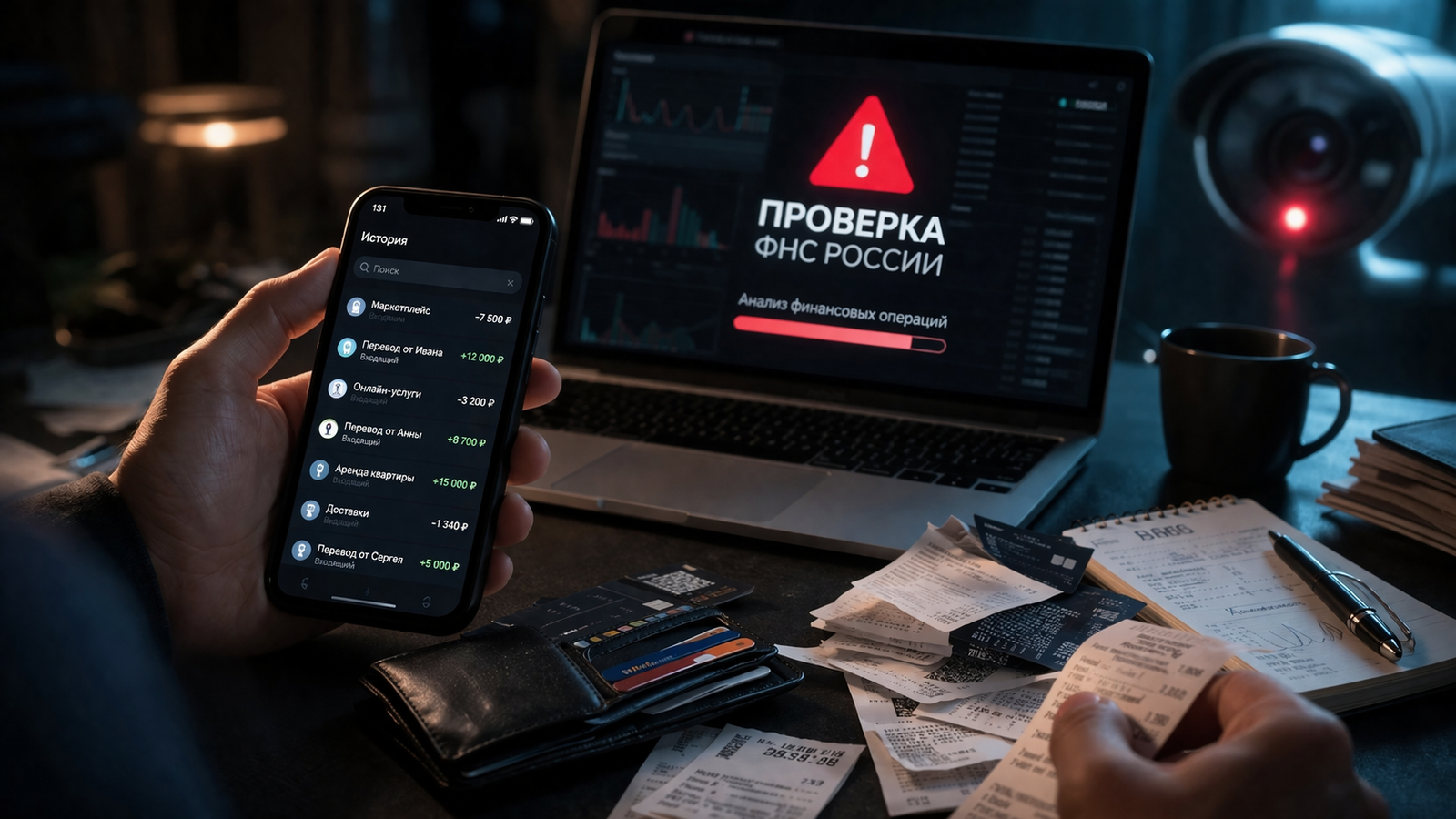
The key figure is 2.4 million rubles per year or undeclared receipts of money in the amount of more than 200 thousand rubles per month. If unconfirmed receipts to the card exceed this threshold, such transactions may raise questions from the tax authorities. This primarily concerns regular transfers that resemble payment for services or goods.
Those who work "for themselves" but are not officially registered are at risk: craftsmen, tutors, designers, landlords, sellers on social networks. Especially if the money comes frequently, from different people, and without a clear purpose.
Important: taxes will not be automatically debited. First, a request for clarification. You will have to explain where the receipts came from and why it is not income. But if the tax authorities prove a hidden business, the consequences are serious: personal income tax - up to 22%, VAT - up to 22%, plus fines and penalties.
The main risk is errors. Algorithms look at the behavior of the account, not the real situation. Volunteers, fundraising for treatment, money "for general needs" or trips may fall under suspicion. Even ordinary transfers between acquaintances sometimes look like business.
Experts advise a simple rule: keep everything - receipts, correspondence, payment purposes. This can save you from unnecessary questions.
How effective the system will be is debatable. Part of the market will indeed "whiten", but many will simply go into cash, transfers through relatives, or other schemes.
One fact remains: the era of "just threw it on the card" is coming to an end. If the income consistently exceeds 200 thousand rubles per month, it is easier to formalize the status and pay taxes than to deal with the tax authorities later.
Read more on the topic:
Never miss our newsAdd this site to your preferred sources to see us more oftenAdd on Google

















