Translated with AI from the Russian original.
Russian scientists have proposed a practical solution to reduce air pollution from gas turbine plants. Specialists from Perm Polytechnic University (PNRPU) have developed an approach that reduces the amount of harmful emissions by an average of 30%. This directly affects the size of environmental payments of industrial enterprises.
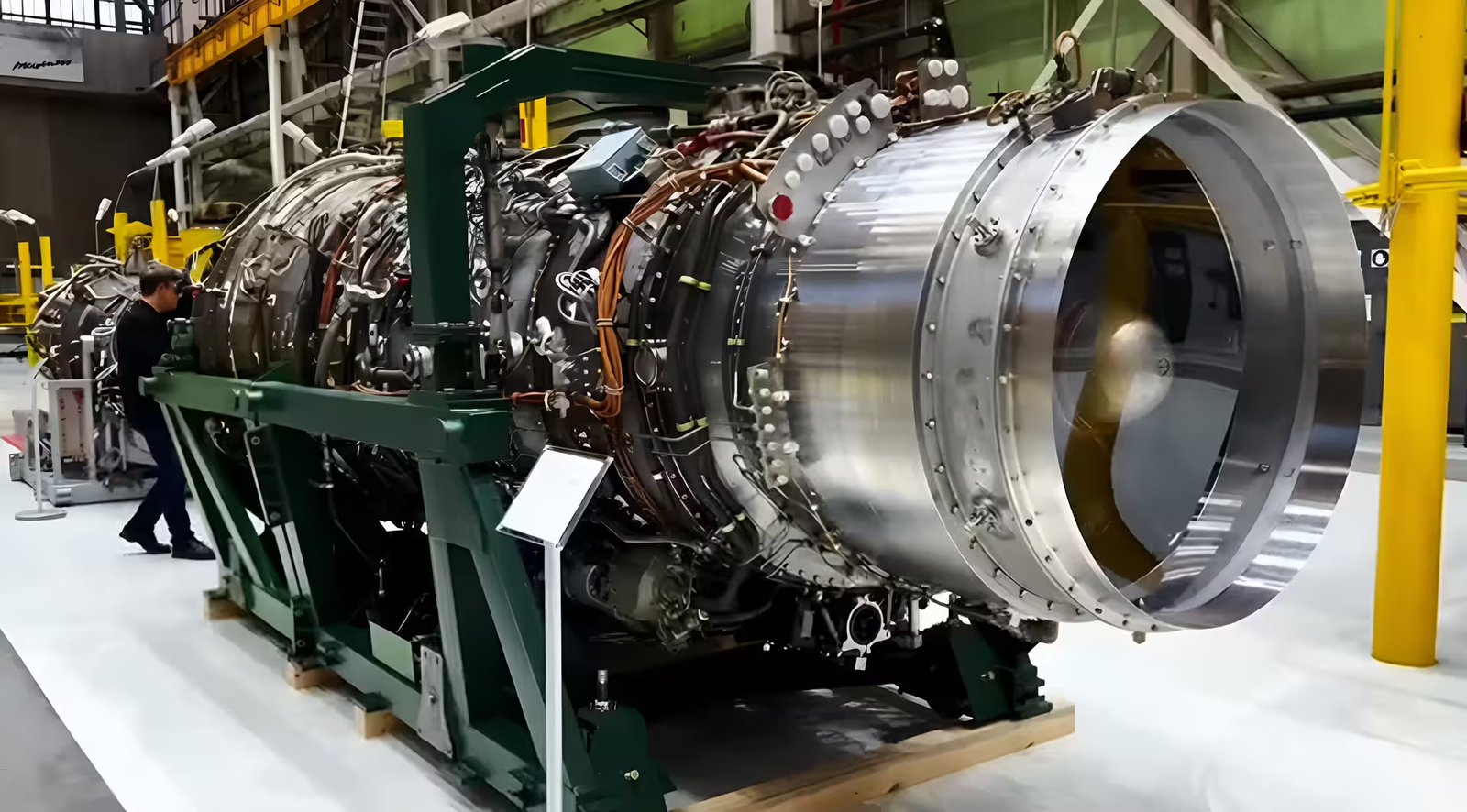
Gas turbine plants operate at power plants, in aviation and the oil and gas sector. When fuel is burned, they release carbon monoxide and nitrogen oxides - substances that are dangerous to human health and nature. Traditional filters and catalytic converters do clean the exhaust, but often at the cost of reducing the efficiency of the plant or high operating costs.
The PNRPU team took a different path. Instead of installing additional equipment, the scientists focused on optimizing the combustion process itself. Using three-dimensional modeling, they analyzed how the length of the combustion chamber and the temperature of the supplied fuel affect the composition of exhaust gases.
It turned out that heating the fuel before it enters the chamber reduces the concentration of carbon monoxide - and this effect persists at any length of the chamber. A particularly noticeable result was the increase in temperature to 200 degrees in compact chambers: there, the content of both carbon monoxide and nitrogen oxides decreased simultaneously.
According to Nikolai Bachev, Associate Professor of the Department of Rocket and Space Technology and Energy Systems at PNRPU, a competent combination of fuel heating and selection of chamber geometry allows achieving a balance in which both types of harmful emissions remain within the standards.
Read more on the topic:
Never miss our newsAdd this site to your preferred sources to see us more oftenAdd on Google

















