Translated with AI from the Russian original.
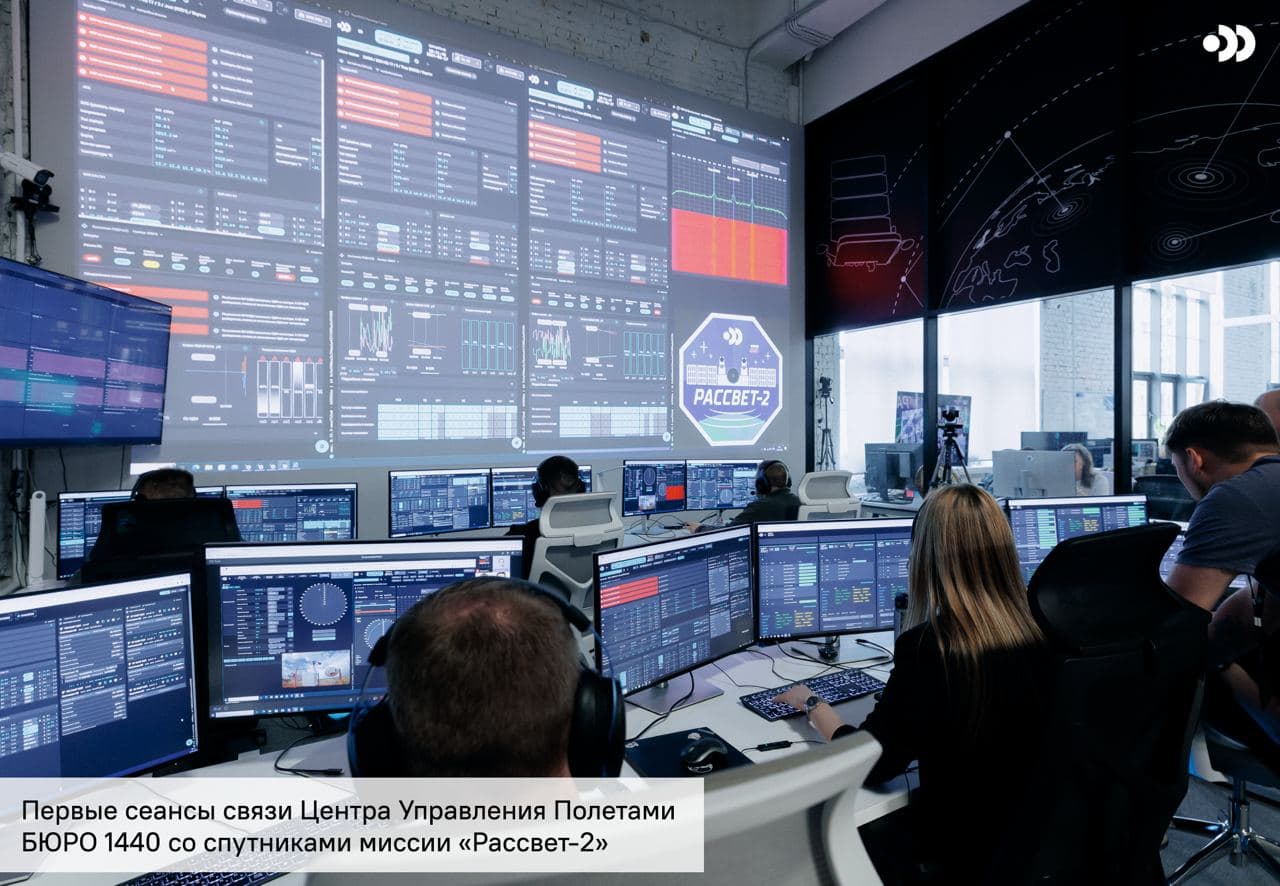
Russian company "Byuro 1440" launched 16 satellites of the low-Earth-orbit constellation "Rassvet" into orbit. The domestic development is five years ahead of the Starlink satellite communications system in its progress, political scientist Nikolai Sorokin said.
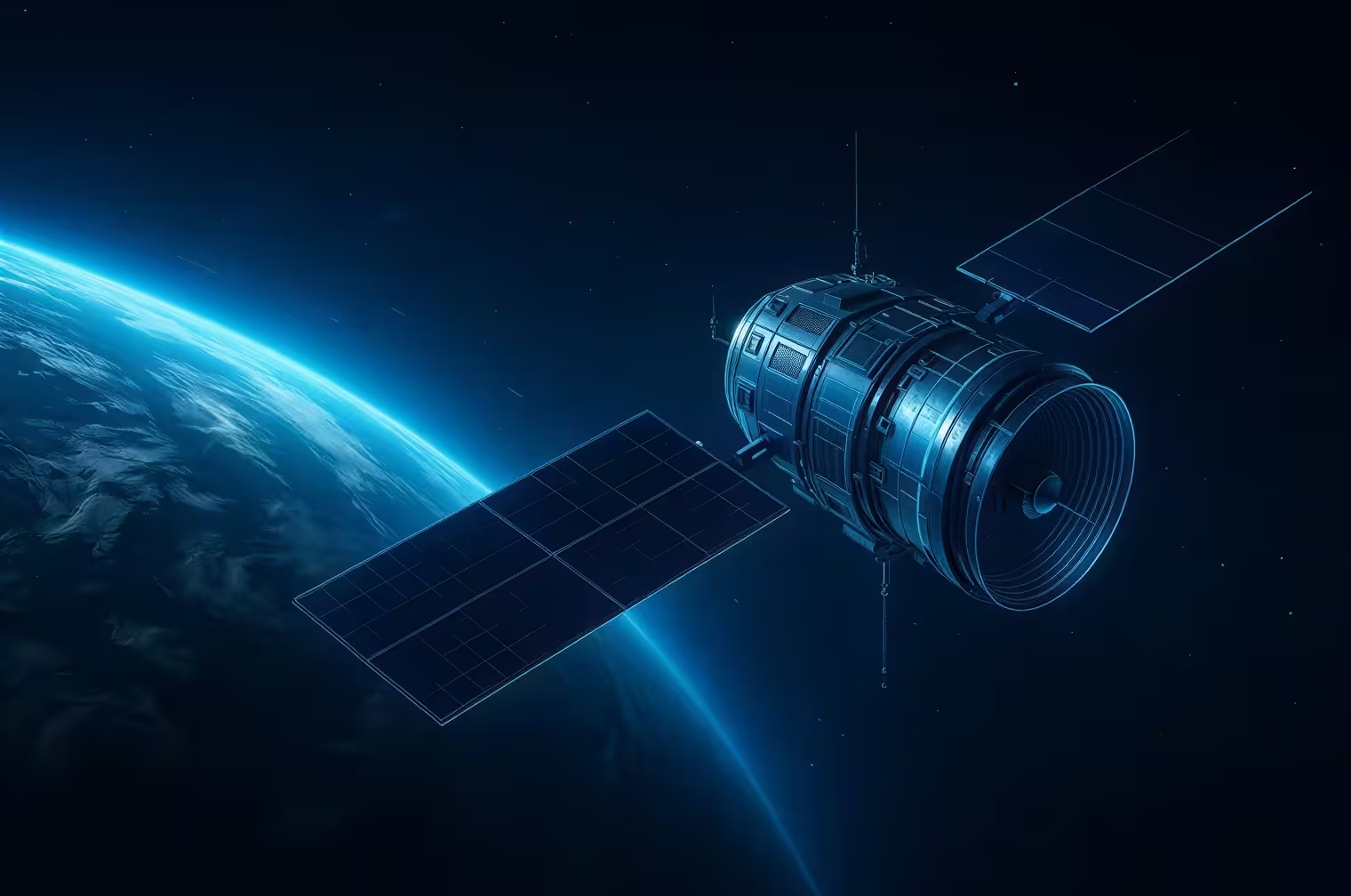
According to him, "Rassvet" is not a copy of American technology, but the next stage of development.
The systems created by "Byuro 1440" are, in terms of their technology, about five years ahead of what Elon Musk was creating. Starting with their direct material and physical structure and ending with the laser communication system between satellites, which at Starlink is only just beginning to be installed in some places.
Sorokin emphasized that the objectives of "Rassvet" are completely different compared with those set for Starlink satellites. For Russia, the main thing is to provide communications coverage for its own territory, whereas Musk's goal is to earn the maximum amount of money, he concluded.
The same idea was voiced by astronomer Nikolai Zheleznov. In his opinion, "Rassvet" is more advanced than American Starlink, as it is less susceptible to the Kessler syndrome, that is, the avalanche-like accumulation of debris in near-Earth orbit.
In our version, such a large number of satellites is not required; they are launched into a higher orbit. Musk's vehicles move very close to Earth, sometimes even 200 kilometers, and after five years they slow down and fall. Ours move differently, they are positioned in such a way that so many of them are not required.
The "Rassvet" satellites received communications based on 5G NTN architecture, plasma engines, upgraded power systems, and next-generation inter-satellite laser communication terminals, the Moscow Aviation Institute noted.
The commercial launch of the service is scheduled for 2027 — by that time, more than 250 vehicles should be operating in orbit. By 2035, the constellation may be expanded to 900 satellites. Head of the Russian Ministry of Digital Development Maksut Shadaev emphasized that "Rassvet" will become an answer to Elon Musk's Starlink system.
In addition, Russia plans to create another Starlink analogue — a low-Earth-orbit satellite internet system. The cost of the constellation will amount to up to 27 billion rubles.
Read more materials on the topic:
- Russia launched its own Starlink without "import crutches" on plasma engines
- The Indian Ocean and five continents in focus: Roskosmos showed footage from the Elektro-L No. 5 satellite
- The first 16 satellites of Russia's Starlink analogue entered orbit: hundreds more lie ahead
Never miss our newsAdd this site to your preferred sources to see us more oftenAdd on Google

















