Scientists from Tomsk Polytechnic University (TPU), together with colleagues, have developed a new method for creating heat-transferring surfaces, which allows to increase the cooling efficiency of microchips by dozens of times.
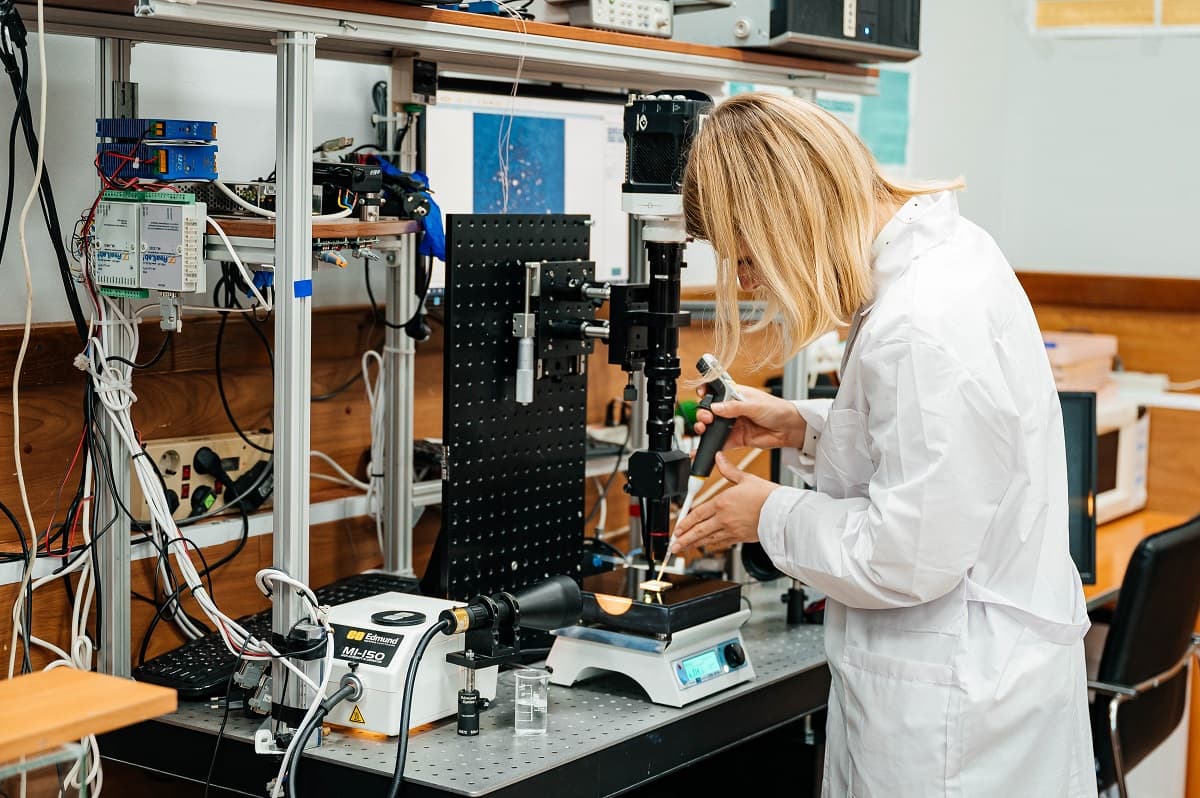
The data obtained can form the basis of a new approach to creating heat-transferring surfaces with specified functional properties, designed to accurately direct and hold droplets of coolant in those areas of the chip or power equipment that experience the greatest thermal loads.
Microchips are the foundation of modern electronics. They operate in processors, smartphones, artificial intelligence systems, supercomputers, unmanned vehicles, and robots. The more powerful the device, the more acute the problem of heat dissipation. One of the promising solutions is two-phase cooling systems based on droplet irrigation.
TPU scientists have proposed a new approach combining laser texturing, laser chemical modification, and pyrolysis (thermal decomposition) of multicomponent hydrocarbon-containing liquids. This made it possible to create surfaces with controlled wettability and record cooling efficiency.
Read more materials on the topic:
- Import substitution for 1.5 billion: the "Micron" plant was instructed to create an analogue of the American ARCHER for the production of chips
- Ioffe scientists have created the basis for new energy-efficient chips
- No one will make domestic chips for military electronics: the construction of the "Karat" microchip factory was buried
Never miss our newsAdd this site to your preferred sources to see us more oftenAdd on Google

















